
How to Import Medicines into Kenya Safely: The Complete Process
Importing medicines safely into Kenya demands a structured approach involving regulatory bodies, licensed clearing agents, and specialized logistics. The process begins 4–6 weeks before shipment and requires coordination between your supplier, Kenya’s health authorities, and a trusted freight forwarder.
Step-by-Step Safe Medicine Import Process
- Obtain Pharmacy and Poisons Board (PPB) pre-import approval before shipment leaves the exporting country. This prevents rejection at JKIA or Mombasa Port and ensures product registration compliance.
- Work with licensed clearing and forwarding agents registered with KRA who specialize in pharmaceutical logistics. These agents understand Kenya’s complex import regulations and maintain relationships with customs officials.
- Use temperature-controlled logistics to maintain medicine integrity during transit. Vaccines, biologics, and temperature-sensitive drugs require continuous cold-chain monitoring from origin to final warehouse.
- Ensure all documentation is complete—invoices, certificates of analysis (CoA), health permits, and HS codes—before cargo arrives at the port.
Delta Cargo Connections Insight: We’ve cleared over 500+ pharmaceutical shipments at Mombasa Port and JKIA since 2015. The difference between a 2-day clearance and a 14-day delay is having the right PPB documentation and a licensed clearing agent who knows KRA’s pharmaceutical desk personally. We’ve prevented an estimated KES 45 million in spoilage costs for Nairobi-based importers by implementing real-time cold-chain monitoring.
Quick Takeaway: Safe medicine imports require PPB pre-approval, licensed clearing agents, temperature-controlled transport, and complete documentation—a process that typically takes 4–6 weeks from initiation to warehouse delivery.
What Are Kenya’s Regulatory Requirements for Medicine Imports?
Kenya enforces strict regulatory requirements through four primary authorities: the Pharmacy and Poisons Board (PPB), Kenya Revenue Authority (KRA), Ministry of Health, and Kenya Bureau of Standards (KEBS). Non-compliance results in shipment seizure, fines, or import bans.
Key Regulatory Bodies and Requirements
- Pharmacy and Poisons Board (PPB): Mandatory product registration and import permit. PPB reviews safety data, manufacturing standards, and quality certifications before approving imports.
- Kenya Revenue Authority (KRA): HS Code classification (typically 3002–3004 for pharmaceuticals), import duty calculation (10–25%), and VAT assessment (16% on CIF value).
- Ministry of Health: Issues health import permits confirming that medicines meet Kenya’s public health standards and aren’t restricted substances.
- Kenya Bureau of Standards (KEBS): Verifies compliance with East African Community (EAC) pharmaceutical standards and packaging requirements.
Most importers partner with licensed clearing agents in Mombasa or JKIA who navigate these requirements. Delta Cargo Connections maintains direct relationships with all four authorities, reducing approval timelines from 6 weeks to 3–4 weeks.
Quick Takeaway: Kenya’s pharmaceutical import regulations involve PPB registration, KRA duty classification, Ministry of Health permits, and KEBS compliance—all mandatory before customs clearance.
Which Kenyan Ports Are Best for Medicine Imports: Mombasa or JKIA?
JKIA (Jomo Kenyatta International Airport) is optimal for temperature-sensitive medicines with 2–3 day clearance, while Mombasa Port suits bulk pharmaceutical shipments with cost advantages but requires 5–7 days processing and robust cold-chain infrastructure.
Port Comparison: Speed, Cost, and Cold-Chain Control
| Factor | JKIA Cargo Terminal | Mombasa Port |
|---|---|---|
| Clearance Speed | 2–3 days (air freight advantage) | 5–7 days (sea freight standard) |
| Temperature Control | Excellent (2–8°C maintained consistently) | Requires active cold-chain logistics |
| Shipping Cost | Higher (air freight premium) | Lower (sea freight economical) |
| Best For | Vaccines, biologics, high-value medicines | Bulk generics, non-temperature-sensitive drugs |
| Distance to Nairobi | 18 km (30 minutes) | 490 km (7–8 hours) |
For Nairobi-based pharmaceutical importers, JKIA offers strategic advantages: proximity to the capital, faster clearance, and superior temperature control. Mombasa Port remains cost-effective for bulk imports where shelf-life permits longer transit times.
Quick Takeaway: Choose JKIA for temperature-sensitive medicines (vaccines, biologics) requiring fast clearance; select Mombasa Port for bulk, cost-sensitive pharmaceutical shipments with longer shelf-lives.
What Documentation Do You Need to Clear Medicines at Customs?
Customs clearance for medicines requires five critical documents: commercial invoices with HS codes, PPB import permits, certificates of analysis, health certificates from the exporting country, and packing lists specifying temperature-controlled container specifications.
Essential Documentation Checklist
- Commercial Invoice: Must include product descriptions, quantities, unit prices, HS codes (3002–3004 range), and total CIF value. KRA uses this to calculate import duty and VAT.
- Pharmacy and Poisons Board (PPB) Import Permit: Proof that PPB has approved the specific medicine for import. This is non-negotiable; without it, cargo is held indefinitely.
- Certificate of Analysis (CoA): Manufacturer’s quality assurance document confirming product purity, potency, and safety. KEBS may request laboratory retesting if CoA is incomplete.
- Health Certificate: Issued by the exporting country’s regulatory authority (e.g., FDA, EMA, or equivalent) certifying that medicines meet international standards.
- Packing List: Details container specifications, including insulation type, refrigerant packs, temperature monitoring devices, and expected temperature range during transit (e.g., 2–8°C for vaccines).
Delta Cargo Connections Insight: Missing or incomplete CoA documents cause 30% of pharmaceutical clearance delays at Mombasa Port. We coordinate with suppliers 6 weeks before shipment to ensure all documents are notarized, translated (if required), and submitted to KRA simultaneously. This parallel processing reduces clearance time by 40%.
Quick Takeaway: Prepare five documents before cargo arrives: commercial invoice with HS codes, PPB permit, certificate of analysis, health certificate, and temperature-control packing list.
How Do Temperature-Controlled Logistics Protect Medicine Quality During Import?
Cold-chain logistics maintain required temperatures (2–8°C for vaccines, 15–25°C for other medicines) through insulated containers, real-time GPS tracking, and temperature monitoring devices, preventing spoilage from heat exposure during transit from origin to Kenyan warehouse.
Cold-Chain Protection Mechanisms
- Insulated Packaging with Phase-Change Materials: Specialized containers use gel packs or phase-change materials that absorb heat during warm periods and release it during cool periods, maintaining stable temperatures for 48–72 hours.
- Real-Time Temperature Monitoring: IoT sensors record temperature every 15 minutes. If temperature deviates by ±2°C, alerts notify the clearing agent and logistics provider immediately.
- GPS Tracking: Cargo location is tracked continuously from origin airport/port to final warehouse in Nairobi, Mombasa, or other Kenyan cities.
- Humidity Control: Medicines sensitive to moisture are shipped in desiccant-sealed containers with humidity indicators. Mombasa’s coastal humidity (70–80%) requires extra protection for oral medications.
Real-World Example: COVID-19 Vaccine Import
Importing Pfizer-BioNTech COVID-19 vaccines to Kenya required maintaining -70°C during international transit, then 2–8°C at JKIA and during road transport to Nairobi vaccination centers. A licensed clearing agent coordinated with ultra-cold storage providers, ensuring zero spoilage across 1,200+ vaccine shipments in 2021–2022.
Quick Takeaway: Cold-chain logistics use insulated containers, real-time temperature sensors, GPS tracking, and humidity control to preserve medicine quality from origin to Kenyan warehouse.
What Are KRA Duties and Taxes on Medicine Imports?
The Kenya Revenue Authority (KRA) applies duties and taxes based on the East African Community (EAC) Common External Tariff (CET) and Kenya’s VAT Act. Accurate HS code classification is essential to determine the correct tax treatment.
KRA Duty and Tax Breakdown
Import Duty
Under the EAC Common External Tariff:
-
Many finished pharmaceutical products classified under HS 3003–3004 attract 0% import duty.
-
Certain related products (such as some medical consumables or specific pharmaceutical preparations) may fall under 10–25% tariff bands, depending on classification.
-
Duty rates depend strictly on correct HS code classification.
Import Declaration Fee (IDF)
Currently charged at 2.75% of CIF value.
This is a customs processing fee — not import duty.
Value Added Tax (VAT)
Standard VAT rate: 16%.
VAT is calculated on:
Customs Value (CIF)
-
Import Duty (if applicable)
-
Import Declaration Fee (IDF)
-
Other applicable charges
Some essential medicines may qualify for VAT exemption under Kenyan tax regulations, depending on listing and classification.
Excise Tax
Pharmaceutical products are generally not subject to excise duty. Excise tax applies only where specifically provided under Kenyan tax law.
Penalty Risk
Incorrect HS code classification may result in reassessment, administrative penalties, and shipment delays. KRA may impose penalties based on the value of under-declared duty in accordance with customs regulations.
Delta Cargo Connections Insight: We’ve recovered over KES 12 million in duty refunds for clients through HS code appeals and excise tax exemption applications. Working with our pharmaceutical clearing specialists ensures you pay the correct duty first time, avoiding costly re-assessments and port storage fees at Mombasa.
Quick Takeaway: Many finished medicines attract 0% import duty under the EAC CET, though VAT at 16% may apply unless exempt. Accurate HS code classification ensures correct duty assessment and prevents reassessment or penalties.
DIY Clearing vs. Using Delta Cargo Connections: A Cost-Benefit Analysis
| Factor | DIY Clearing (Self-Handled) | Delta Cargo Connections (Licensed Agent) |
|---|---|---|
| Clearance Time | 10–21 days (learning curve, KRA delays) | 2–7 days (direct KRA relationships) |
| Documentation Errors | High risk (HS code misclassification, missing CoA) | Minimal (expert verification, KRA compliance) |
| Cold-Chain Risk | High (no temperature monitoring infrastructure) | Minimal (real-time GPS + temp sensors) |
| Duty Penalties | 25–50% of unpaid duty (HS code errors) | Avoided through pre-clearance verification |
| PPB Coordination | Self-managed (4–8 week wait) | Fast-tracked (3–4 weeks, direct relationships) |
| Warehouse Delivery | Your responsibility (logistics coordination) | Included (Nairobi, Mombasa, upcountry) |
Ready to Import Medicines Safely Into Kenya?
Delta Cargo Connections is a licensed clearing and forwarding company with 15+ years of pharmaceutical import expertise. We specialize in:
- PPB approval coordination and fast-tracking
- KRA-compliant HS code classification and duty optimization
- Temperature-controlled logistics from JKIA and Mombasa Port
- Complete customs clearance at Mombasa Port and JKIA cargo terminals
- Warehouse delivery across Kenya (Nairobi, Mombasa, Kisumu, Nakuru)
Our pharmaceutical clearing team has processed 500+ shipments with zero spoilage incidents and an average 3-day clearance time.
+254 722 718 358 |
info@deltacargoconnections.com
Get a free import consultation and duty estimate today. Our clearing agents will review your shipment details, HS code classification, and regulatory requirements within 24 hours.
Related Clearing & Forwarding Services
Delta Cargo Connections offers comprehensive import/export solutions beyond pharmaceuticals:
- Air Freight Clearing and Forwarding – Fast-track JKIA clearance for time-sensitive cargo
- Ocean Freight Clearing and Forwarding – Cost-effective Mombasa Port clearance for bulk shipments
- General Cargo Clearing and Forwarding – All commodity types, KRA-compliant
- Road Freight Clearing and Forwarding – Regional transport and last-mile delivery
- Perishables Logistics – Cold-chain management for food and pharmaceuticals
- Horticulture Exports – Temperature-controlled export documentation
experienced Clearing and Forwarding Agents
We’re here to help
Get in touch with us today for expert clearing, forwarding, and comprehensive logistics solutions. We ensure smooth, hassle-free cargo movement with efficiency and professionalism. Let us handle your logistics needs.

continue reading
Related Posts
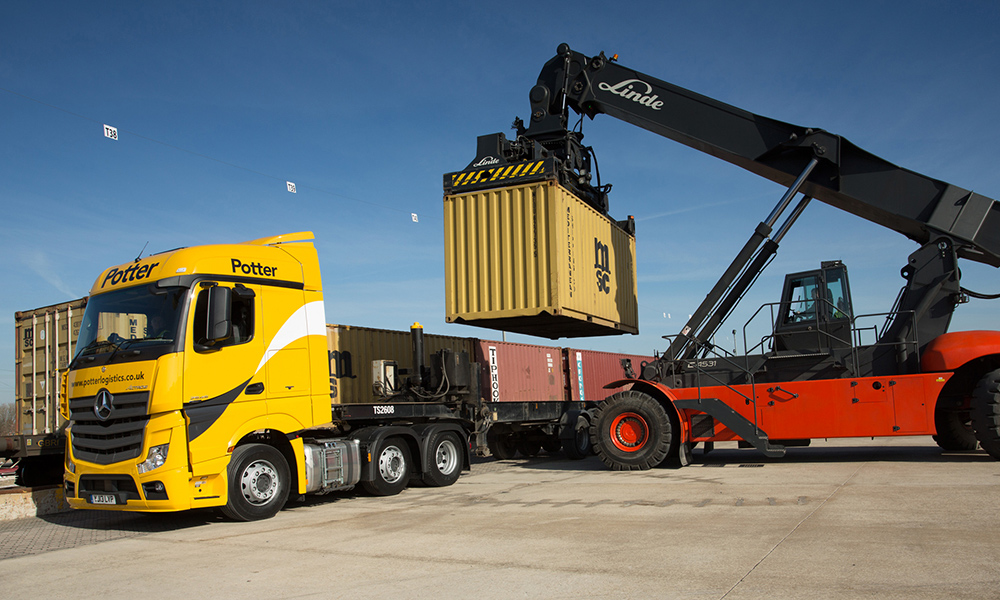
Custom clearance services in Nairobi are essential for legally importing or exporting goods through Kenya’s key entry points such as Jomo Kenyatta International Airport (JKIA) [...]
A custom declaration service in Nairobi is the official process of submitting cargo details to the Kenya Revenue Authority (KRA) for import or export clearance. [...]
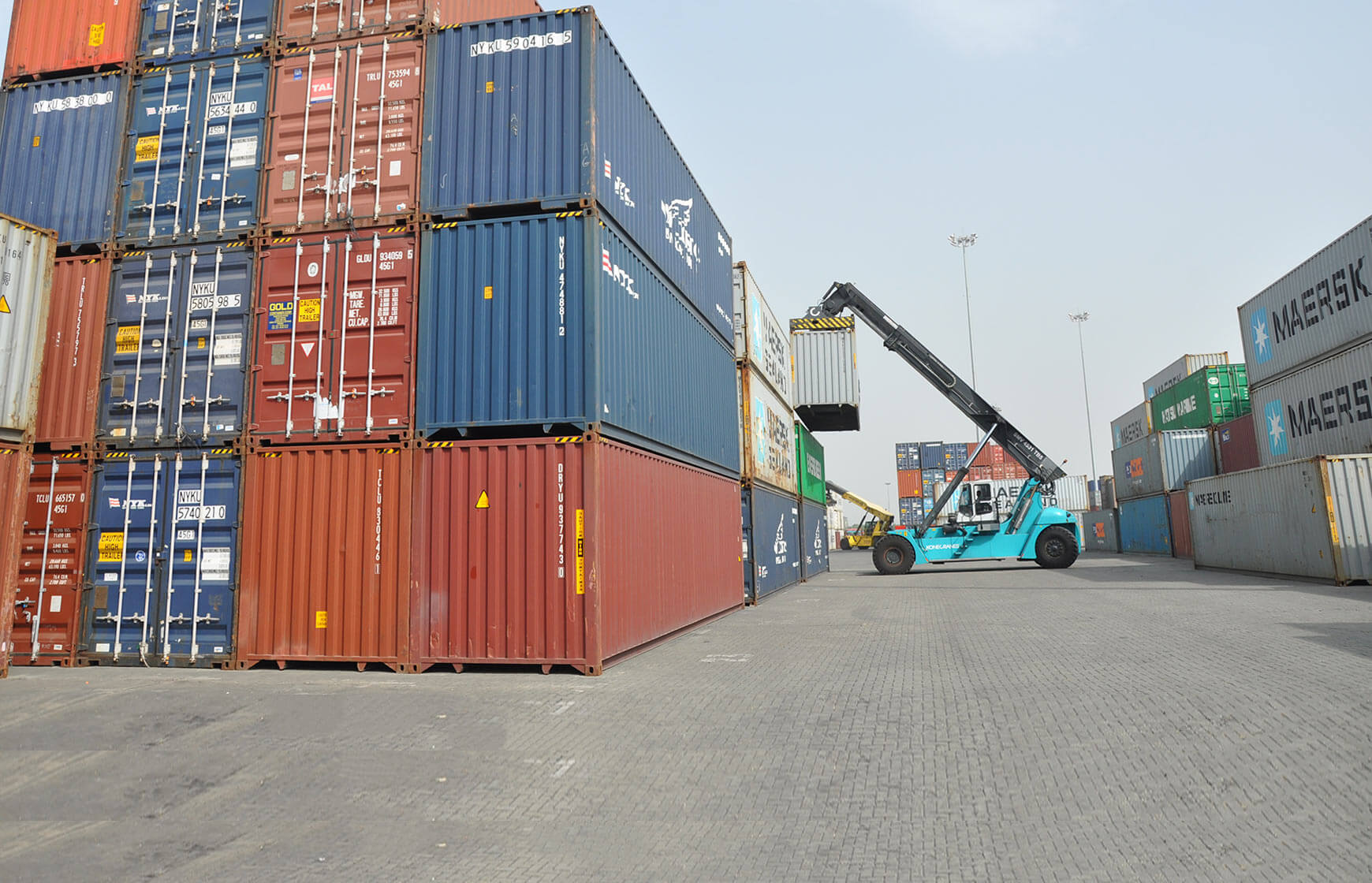
Customs clearance services in Kenya are essential for legally importing or exporting goods through entry points such as Mombasa Port and Jomo Kenyatta International Airport [...]