
What Is 2PL Logistics?
2PL (Second-Party Logistics) is a logistics model where a business hires a transport carrier that owns and operates its own vehicles—such as trucks, ships, or aircraft—to move goods from one location to another, while the business retains control over warehousing, inventory, and supply chain planning.
In simple terms, 2PL focuses purely on transportation. The logistics provider acts as the carrier, not a full supply chain manager.
This model is widely used in Kenya for road freight, warehouse solutions, transport, and regional cargo movement.
How 2PL Logistics Works
A 2PL arrangement follows a straightforward process:
-
The business prepares the goods
Goods are packed and staged at a warehouse, factory, or port. -
A transport carrier is contracted
The company hires a trucking firm, shipping line, or rail operator. -
Transportation is executed
The 2PL provider moves the cargo according to the agreed route, timeline, and bill of lading. -
Delivery to the consignee
Goods are delivered to the final destination, such as a warehouse, distributor, or customer.
The business remains responsible for:
-
Inventory management
-
Customs clearance (unless handled separately)
-
Distribution strategy
What Does a 2PL Provider Do?
A 2PL provider’s responsibilities are transport-specific.
1. Cargo Pickup and Loading
The carrier collects goods from a warehouse, factory, or port and loads them safely onto transport vehicles.
2. Transportation Based on the Bill of Lading
The provider transports goods exactly as specified in the bill of lading, which defines:
-
Cargo type
-
Destination
-
Handling instructions
3. Delivery and Documentation
Once delivery is complete, the carrier submits proof of delivery and returns any required paperwork.
Unlike 3PL providers, 2PL companies do not manage warehousing, order fulfillment, or inventory systems.
Examples of 2PL Logistics in Kenya
2PL logistics is extremely common in Kenya due to heavy reliance on road transport and rail transport.
Example 1: Port of Mombasa to Nairobi
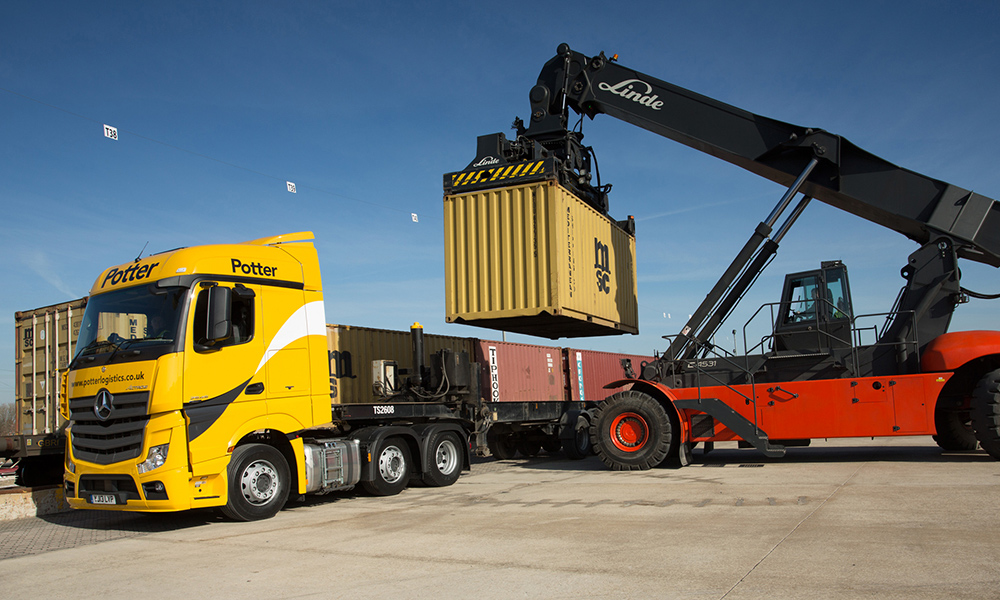
An importer clears goods at the Port of Mombasa and hires a trucking company to transport the container to ICD Embakasi or a private warehouse in Nairobi.
Example 2: FMCG Distribution
A manufacturer in Nairobi hires transporters to deliver products to supermarkets in Nakuru, Eldoret, and Kisumu.
Example 3: Cross-Border Transport
A Kenyan exporter contracts a carrier to move cargo from Nairobi to Uganda, Rwanda, or South Sudan.
In all these cases, the transporter is acting as a 2PL provider.
Who Uses 2PL Logistics?
2PL logistics is suitable for:
-
Manufacturers
-
FMCG distributors
-
Construction companies
-
Agricultural producers
-
Retail chains
It is especially useful for businesses that want transport without outsourcing full logistics control.
Advantages of 2PL Logistics
1. Lower Operating Costs
Businesses avoid:
-
Buying trucks
-
Maintaining fleets
-
Hiring drivers
This makes 2PL more affordable than running an in-house fleet.
2. Simpler Logistics Management
Compared to 1PL, 2PL reduces complexity while still keeping logistics decisions internal.
3. SLA-Based Reliability
Most 2PL providers operate under service-level agreements (SLAs) that define:
-
Delivery timelines
-
Vehicle availability
-
Penalties for non-performance
4. Scalability
Businesses can increase or reduce transport capacity without major capital investment.
Disadvantages of 2PL Logistics
1. Limited Control Over Drivers
Since drivers belong to another company, enforcing internal service standards can be challenging.
2. Risk of Delays
Vehicle breakdowns, driver shortages, or traffic issues can disrupt deliveries.
3. Coordination Challenges
The business must actively manage communication between:
-
Warehouses
-
Carriers
-
Customers
Poor coordination can cause delays and errors.
2PL vs 1PL vs 3PL Logistics
| Model | Transport Ownership | Logistics Control | Best For |
|---|---|---|---|
| 1PL | Business | Full | Small/local operations |
| 2PL | Carrier | Business | Transport-only needs |
| 3PL | Provider | Shared | End-to-end logistics |
2PL sits between 1PL and 3PL, offering transport expertise without surrendering full control.
When Should You Use 2PL Logistics?
2PL is ideal when:
-
You already manage warehousing and inventory
-
You only need reliable transportation
-
You want to reduce capital investment
-
You operate within predictable delivery routes
If you need storage, order fulfillment, customs handling, and distribution, a 3PL may be a better fit.
Is Trucking Considered 2PL?
Yes. Trucking companies that own and operate vehicles and provide transport services only are classic 2PL providers.
In Kenya, most long-haul and regional trucking companies operate under the 2PL model.
Key Takeaway: Is 2PL Logistics Right for Your Business?
2PL logistics offers a cost-effective, flexible, and scalable way to move goods without managing your own fleet. It is widely used across Kenya’s logistics ecosystem, especially for port transport, regional distribution, and cross-border trade.
However, it requires strong coordination and oversight to avoid delays and service issues.
Frequently Asked Questions About 2PL Logistics
What does a 2PL company do?
A 2PL company transports goods using its own vehicles under a contract with the shipper.
Is 2PL cheaper than 3PL?
Yes. 2PL is usually cheaper because it only covers transportation, not warehousing or fulfillment.
Is 2PL suitable for small businesses?
Yes, especially small businesses that need transport without investing in vehicles.
experienced Clearing and Forwarding Agents
We’re here to help
Get in touch with us today for expert clearing, forwarding, and comprehensive logistics solutions. We ensure smooth, hassle-free cargo movement with efficiency and professionalism. Let us handle your logistics needs.

continue reading
Related Posts
Custom clearance services in Nairobi are essential for legally importing or exporting goods through Kenya’s key entry points such as Jomo Kenyatta International Airport (JKIA) [...]

A custom declaration service in Nairobi is the official process of submitting cargo details to the Kenya Revenue Authority (KRA) for import or export clearance. [...]
Customs clearance services in Kenya are essential for legally importing or exporting goods through entry points such as Mombasa Port and Jomo Kenyatta International Airport [...]