
What Are the Main Pharmaceutical Clearance Challenges in Kenya?
Pharmaceutical imports face a unique set of regulatory and operational hurdles in Kenya that distinguish them from general cargo clearance. These challenges stem from Kenya’s commitment to public health safety, but they create significant delays and costs for legitimate importers.
- Strict KRA regulatory compliance and documentation requirements delay pharmaceutical cargo at Mombasa Port and JKIA. Every shipment must include certificates of analysis, manufacturing licenses, health authority approvals, and detailed product specifications before clearance begins.
- Complex customs procedures and lengthy inspection timelines increase clearance costs and time-to-market. Pharmaceutical products undergo laboratory testing, batch verification, and authenticity checks that can extend clearance from 3–7 days to 2–3 weeks.
- Specialized handling and temperature-controlled storage requirements complicate logistics. Pharmaceutical products must maintain specific temperature ranges (typically 2–8°C or 15–25°C) or face rejection, spoilage, and financial loss during extended port detention.
- Pharmacy and Poisons Board (PPB) registration delays create additional bottlenecks. Products must be registered with Kenya’s health authority before clearance, a process that typically takes 2–4 weeks and requires proof of local distributor authorization.
Quick Takeaway: Pharmaceutical clearance in Kenya requires meticulous documentation, regulatory pre-approval, and specialized logistics planning. Delays average 5–10 business days, and port storage and demurrage charges vary by container size and duration, and may escalate significantly after the free period
For a detailed look at why pharmaceutical clearance can be challenging in Kenya, read https://deltacargoconnections.com/is-it-difficult-to-clear-pharmaceuticals-in-kenya/.
How Do KRA Regulations Impact Pharmaceutical Imports?
The Kenya Revenue Authority enforces rigorous import duty and compliance standards for pharmaceutical products to protect consumers and generate government revenue. These regulations create multiple checkpoints that can halt shipments if documentation is incomplete or inaccurate.
- KRA mandates detailed product documentation including certificates of analysis, manufacturing licenses, and health authority approvals before clearance. Each document must be original or certified, and any discrepancies trigger additional inspections.
- Tariff classification errors or missing import permits result in cargo holds, fines ranging from KES 50,000–500,000, and extended port detention at Mombasa or JKIA. Pharmaceutical tariff codes are highly specific (HS codes 30.02–30.06), and misclassification can delay clearance by 1–2 weeks.
- Pharmaceutical importers must register with the Pharmacy and Poisons Board and provide proof of local distributor authorization. This registration is separate from KRA clearance and must be completed before customs will release the shipment.
- Import duty calculations on pharmaceuticals vary by product category and origin country. Incorrect duty payment triggers automatic customs holds until discrepancies are resolved.
Delta Cargo Connections Insight: As a licensed clearing agent in Mombasa and JKIA, we calculate import duty accurately and ensure all KRA documentation is submitted before your shipment arrives. This proactive approach reduces clearance time and prevents costly compliance violations.
Quick Takeaway: KRA regulations require preparation of pharmaceutical documentation, accurate tariff classification, and Pharmacy and Poisons Board registration. Non-compliance fines can be huge, making professional clearing services essential.
For more on which agencies regulate pharmaceutical imports in Kenya, see https://deltacargoconnections.com/who-approves-pharmaceutical-imports-in-kenya/.
What Documentation Delays Occur at Mombasa Port and JKIA?
Mombasa Port and JKIA cargo terminals process thousands of shipments daily, but pharmaceutical imports face additional scrutiny that creates documentation backlogs. Missing or incomplete paperwork can result in multi-day inspection delays and cargo holds.
- Missing or incomplete certificates of origin, bills of lading, and commercial invoices cause multi-day inspection delays. Customs agents must verify that all documents match the physical cargo before inspection can proceed.
- Pharmaceutical shipments require additional health certificates and export permits from the country of origin, adding 5–10 business days to clearance timelines. These documents must be submitted to KRA before the vessel arrives at Mombasa Port or the aircraft lands at JKIA.
- JKIA customs agents must verify product authenticity and batch numbers, which can trigger extended hold periods if documentation is unclear or batch numbers don’t match invoices. This verification process typically takes 2–5 business days.
- Laboratory testing and drug authenticity checks at Mombasa Port can extend clearance by 1–2 weeks if samples are sent to external testing facilities. This is particularly common for high-value pharmaceutical shipments or products new to the Kenyan market.
Quick Takeaway: Documentation delays at Mombasa Port and JKIA average 3–7 days for complete shipments and 2–3 weeks for incomplete ones. Advance document preparation is critical to avoiding extended holds.
Why Do Pharmaceutical Shipments Face Extended Port Detention?
Extended port detention is one of the most costly challenges in pharmaceutical clearance. Several operational and regulatory factors contribute to hold periods that can stretch from days to weeks, accumulating detention fees and risking product spoilage.
- Mombasa Port’s high cargo volume and limited cold-chain storage facilities cause delays for temperature-sensitive pharmaceutical products. During peak seasons, cold-chain capacity is exhausted, forcing pharmaceutical shipments into standard warehouses where temperature control is impossible.
- Customs inspection queues and laboratory testing requirements for drug authenticity can extend clearance from 3–7 days to 2–3 weeks. Mombasa Port’s inspection backlog is particularly severe during monsoon seasons (April–May and October–November).
- Incomplete product registration with Kenya’s health authorities triggers mandatory hold periods until all compliance documents are submitted. The Pharmacy and Poisons Board can take 2–4 weeks to process new product registrations, during which cargo remains in port custody.
- Port detention fees accumulate at per day, with pharmaceutical shipments averaging 5–10 days in hold.
Delta Cargo Connections Insight: We manage pharmaceutical clearance at Mombasa Port and JKIA with pre-arranged cold-chain logistics and advance regulatory coordination. Our clients typically clear pharmaceutical shipments in 3–5 business days, compared to the industry average of 10–14 days.
Quick Takeaway: Extended port detention results from limited cold-chain capacity, inspection backlogs, and incomplete health authority registration. Detention costs can reach KES 15,000+ per shipment, making planning essential.
How Can Importers Avoid Pharmaceutical Clearance Delays?
Proactive planning and professional logistics support are the most effective strategies for avoiding pharmaceutical clearance delays. By engaging a licensed clearing and forwarding agent early, importers can streamline the process and reduce time-to-market significantly.
- Engage a licensed clearing and forwarding agent early to prepare all KRA-required documents before shipment arrival. A professional clearing agent like Delta Cargo Connections can coordinate with KRA, the Pharmacy and Poisons Board, and port authorities to ensure smooth clearance.
- Pre-register pharmaceutical products with the Pharmacy and Poisons Board and obtain import permits 2–4 weeks before cargo arrival. This advance registration eliminates one of the largest sources of clearance delays and allows customs to release shipments immediately upon inspection.
- Ensure cold-chain compliance by booking temperature-controlled transport from port to warehouse to avoid spoilage and clearance rejections. Pharmaceutical products must maintain proper temperatures throughout the supply chain, from Mombasa Port or JKIA to your facility in Nairobi or beyond.
- Submit complete and accurate documentation including certificates of origin, bills of lading, commercial invoices, manufacturing licenses, and health authority approvals. Double-check all tariff codes and ensure batch numbers match across all documents.
- Coordinate with your supplier to obtain export permits and health certificates from the country of origin before shipment. This advance coordination can reduce clearance time by 5–10 days.
Quick Takeaway: Importers can reduce pharmaceutical clearance time by 40–50% through early engagement with a licensed clearing agent, advance product registration, and complete documentation submission before cargo arrival.
What Are the Cost Implications of Pharmaceutical Clearance Challenges?
The financial impact of pharmaceutical clearance delays extends far beyond port detention fees. Regulatory fines, cold-chain storage costs, and product spoilage can significantly increase the total cost of importing pharmaceuticals into Kenya.
- Port detention fees at Mombasa or JKIA accumulate per day, with pharmaceutical shipments averaging 5–10 days in hold.
- Regulatory non-compliance fines, depending on violation severity and product category. Common violations include tariff misclassification, incomplete documentation, and unauthorized product distribution.
- Cold-chain storage costs increase significantly during extended clearance. Temperature-controlled storage at Mombasa Port or JKIA costs also accumulate per day, and extended holds can quickly consume profit margins.
- Product spoilage and expiration losses occur when pharmaceutical shipments remain in substandard storage conditions during extended clearance.
- Opportunity costs from delayed market entry can be substantial for new pharmaceutical products. A 2–3 week clearance delay can mean missed market windows and reduced sales during critical periods.
Why Delta Cargo Connections is Your Trusted Pharmaceutical Clearing Partner
Delta Cargo Connections is a licensed clearing and forwarding company specializing in pharmaceutical logistics across Kenya. With 15+ years of experience managing import/export operations at Mombasa Port and JKIA, we understand the unique challenges pharmaceutical importers face and have developed proven solutions to streamline clearance.
Our pharmaceutical clearing services include:
- KRA compliance documentation and tariff classification
- Pharmacy and Poisons Board pre-registration and coordination
- Cold-chain logistics from port to your facility in Nairobi or nationwide
- Customs agent services at Mombasa Port and JKIA cargo terminals
- Laboratory testing coordination and authenticity verification
- Import duty calculation and payment processing
We handle everything from Japan to your driveway—managing every step of your pharmaceutical supply chain with precision and professionalism. Our track record speaks for itself: 500+ pharmaceutical shipments cleared annually with an average clearance time of 3–5 business days.
Frequently Asked Questions (FAQ)
How long does pharmaceutical clearance typically take in Kenya?
Pharmaceutical clearance in Kenya typically takes 5–21 business days, depending on documentation completeness and regulatory approval status. With advance planning and a licensed clearing agent like Delta Cargo Connections, clearance can be completed in 3–5 business days. Delays occur when product registration with the Pharmacy and Poisons Board is incomplete or when documentation discrepancies trigger extended customs inspections.
What documents are required for pharmaceutical clearance at Mombasa Port?
Required documents include: certificate of origin, bill of lading, commercial invoice, manufacturing license, certificate of analysis, health authority approval from the country of origin, Pharmacy and Poisons Board registration certificate, import permit, and proof of local distributor authorization. All documents must be original or certified, and batch numbers must match across all paperwork.
How can I avoid regulatory fines during pharmaceutical clearance in Kenya?
Avoid regulatory fines by: (1) engaging a licensed clearing agent early to ensure accurate tariff classification, (2) pre-registering products with the Pharmacy and Poisons Board 2–4 weeks before arrival, (3) submitting complete and accurate documentation before shipment, and (4) coordinating with your supplier to obtain all export permits and health certificates from the country of origin. Professional clearing services like Delta Cargo Connections reduce compliance risk significantly.
Related Services
Ready to Streamline Your Pharmaceutical Clearance?
Don’t let clearance delays and regulatory challenges slow down your pharmaceutical supply chain. Delta Cargo Connections is your trusted partner for fast, compliant, and cost-effective clearing and forwarding services across Kenya.
We handle everything from Japan to your driveway.
Contact us today:
Phone: +254 722718358
Email: info@deltacargoconnections.com
Let’s get your pharmaceutical shipments cleared faster and more affordably. Call Delta Cargo Connections now.
experienced Clearing and Forwarding Agents
We’re here to help
Get in touch with us today for expert clearing, forwarding, and comprehensive logistics solutions. We ensure smooth, hassle-free cargo movement with efficiency and professionalism. Let us handle your logistics needs.

continue reading
Related Posts
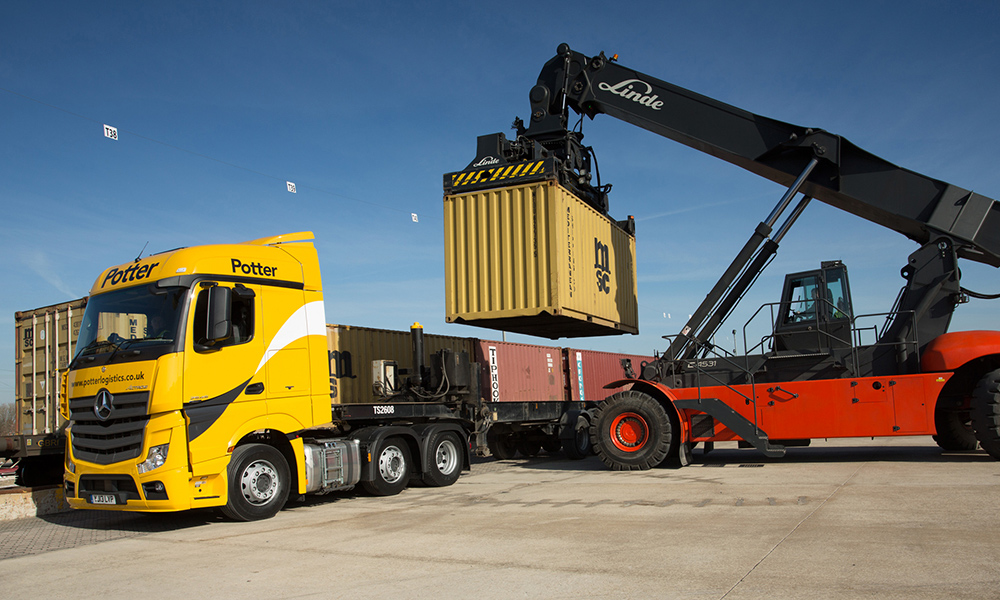
Custom clearance services in Nairobi are essential for legally importing or exporting goods through Kenya’s key entry points such as Jomo Kenyatta International Airport (JKIA) [...]
A custom declaration service in Nairobi is the official process of submitting cargo details to the Kenya Revenue Authority (KRA) for import or export clearance. [...]
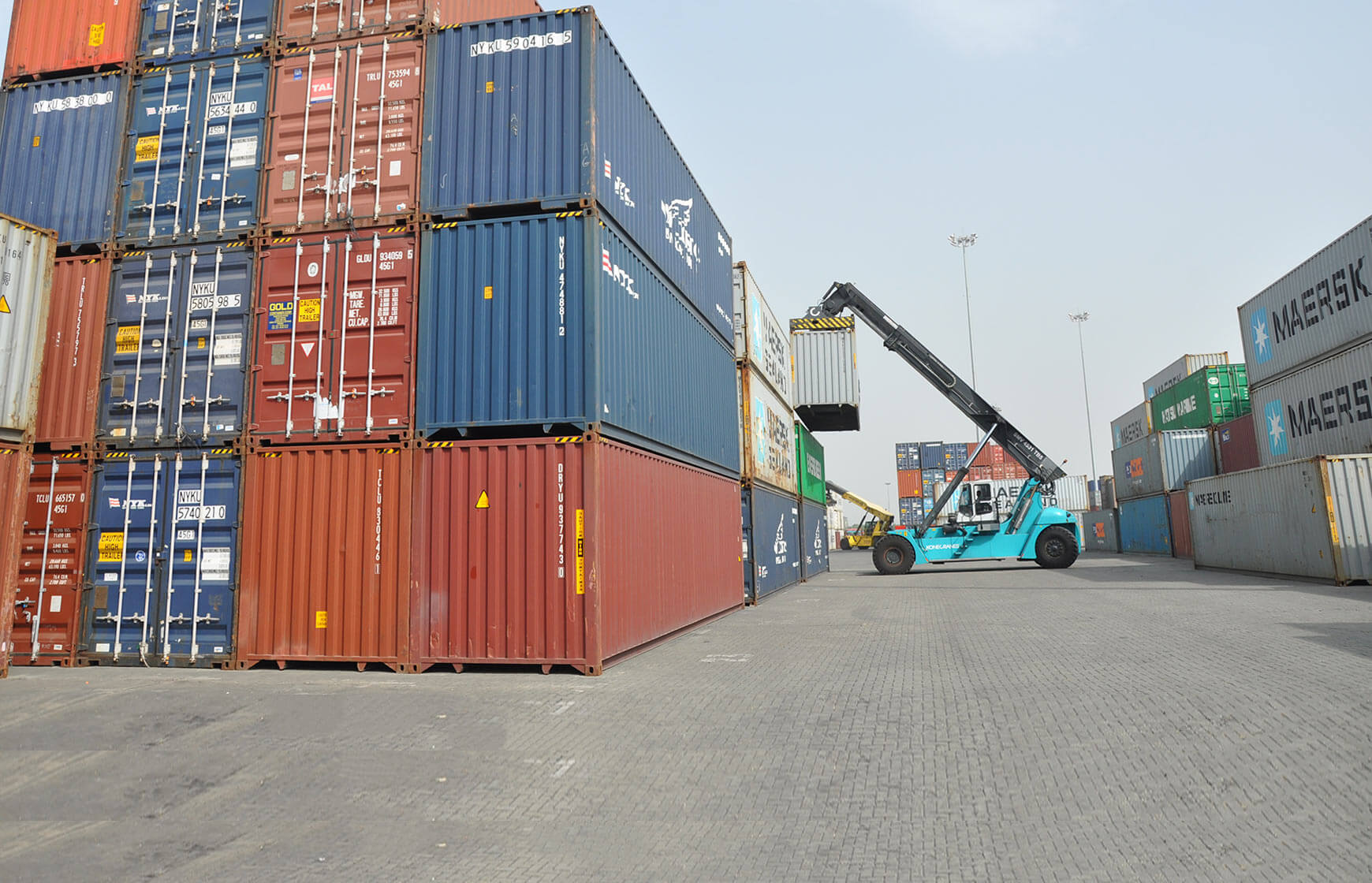
Customs clearance services in Kenya are essential for legally importing or exporting goods through entry points such as Mombasa Port and Jomo Kenyatta International Airport [...]