
Importing a car from Japan to Kenya remains one of the most cost-effective ways for Kenyans to own quality vehicles. However, in 2026, compliance requirements, customs enforcement, and documentation checks are stricter than ever. Missing even one step can lead to delays, penalties, or vehicle seizure at the Port of Mombasa.
This updated guide walks you through the complete 2026 checklist for importing a car from Japan to Kenya, based on current KRA, KEBS, NTSA, and Port of Mombasa procedures, and explains how working with an experienced clearing agent like Delta Cargo Connections helps you avoid costly mistakes.
Step 1: Confirm the Vehicle Meets Kenya’s 2026 Import Rules
Before purchasing any vehicle in Japan, confirm it complies with Kenya’s 2026 import regulations.
Kenya only allows the importation of vehicles that are eight years old or less, calculated from the year of first registration, not the manufacture date. This rule is strictly enforced by KEBS and KRA, and over-age vehicles are denied clearance regardless of value.
The vehicle must also be right-hand drive, meet Kenyan emissions standards, and be mechanically roadworthy. Hybrid vehicles remain allowed, but battery condition and inspection reports are now scrutinized more closely than in previous years.
Delta Cargo Connections verifies vehicle eligibility before purchase, protecting clients from buying non-compliant units.
Step 2: Buy from a Verified Japanese Exporter or Auction
In 2026, KRA has intensified checks on false valuations and altered auction sheets. It is critical to buy from a reputable Japanese exporter who provides:
-
Authentic auction sheets
-
Accurate mileage history
-
Export certificate details
-
Full vehicle photos
Avoid dealers who understate values, as customs uses the KRA CRSP database, not your invoice, to calculate taxes.
Delta Cargo Connections works directly with trusted Japan exporters and can review vehicle details before you commit funds.
Step 3: Understand the Full Cost of Importing a Car from Japan to Kenya (2026)
Many importers still underestimate the true landed cost. In 2026, the total cost includes:
Vehicle purchase price, Japan inspection fees, shipping (RoRo or container), marine insurance, import duty, excise duty, VAT, Railway Development Levy, port handling charges, clearing fees, and NTSA registration costs.
Customs taxes are calculated using the Current Retail Selling Price (CRSP value), adjusted for depreciation. Exchange rate volatility in 2026 has made accurate pre-calculation more important than ever.
Delta Cargo Connections provides pre-import duty estimates so clients know the full cost before the vehicle ships.
Step 4: Mandatory Pre-Export Inspection (2026 Requirement)
All vehicles imported into Kenya must pass a Pre-Export Verification of Conformity (PVoC) inspection by approved agents such as JEVIC or QISJ.
The inspection confirms:
-
Vehicle age compliance
-
Mechanical condition
-
Chassis and engine authenticity
-
Emissions standards
A Certificate of Conformity (CoC) is mandatory. Vehicles arriving without it face delays, penalties, or re-export.
Delta Cargo Connections coordinates inspections directly with approved agents to avoid inspection errors.
Step 5: Shipping from Japan to the Port of Mombasa
Most Japan car imports in 2026 still use Roll-on Roll-off (RoRo) shipping due to cost efficiency. Transit time averages 4–8 weeks, depending on the Japanese port and shipping line.
Insurance coverage is strongly recommended, especially with increased port congestion and weather-related delays affecting East African shipping routes.
Step 6: Prepare Accurate Import Documentation
Documentation errors are the number one cause of clearance delays in 2026. Required documents include:
Commercial invoice, export certificate, bill of lading, inspection certificate, marine insurance, importer KRA PIN, and identification documents.
Even minor inconsistencies in chassis numbers, values, or names can trigger customs queries.
Delta Cargo Connections pre-checks all documents before vessel arrival, significantly reducing clearance time.
Step 7: Customs Clearance at the Port of Mombasa (2026 Process)
Once the vehicle arrives, it must be declared through KRA’s Integrated Customs Management System (iCMS). Customs officers assess duties based on CRSP values and conduct verification checks.
Physical inspection rates have increased in 2026, especially for:
-
First-time importers
-
High-value vehicles
-
Units flagged for valuation review
Using a licensed clearing agent ensures faster handling and compliance with customs procedures.
Delta Cargo Connections is a licensed clearing and forwarding agent with hands-on experience clearing vehicles daily at the Port of Mombasa.
Step 8: NTSA Registration and Number Plates
After customs release, the vehicle must be registered with NTSA. This includes logbook processing, number plate issuance, and compliance with road safety requirements.
In 2026, NTSA systems are fully digital, but errors in customs data can still delay registration—another reason professional clearance matters.
Step 9: Vehicle Release and Delivery
Once registered, the vehicle can be collected or transported to your location. Insurance must be active before road use.
Delta Cargo Connections can also arrange inland transport from Mombasa to Nairobi or other regions.
Common Mistakes Importers Still Make in 2026
Importing a car from Japan to Kenya has become more regulated, not less. Common errors include buying over-age vehicles, relying on fake invoices, skipping inspections, or attempting self-clearance without experience.
These mistakes often lead to unnecessary storage charges, penalties, or rejected entries.
Why Delta Cargo Connections Is the Trusted Clearing Expert in Kenya
Delta Cargo Connections specializes in vehicle clearing, freight forwarding, and customs compliance in Kenya. Our team understands 2026 regulations, CRSP valuation methods, and real port operations—not just theory.
We handle:
-
Vehicle import advisory
-
Pre-import compliance checks
-
Customs clearance
-
NTSA registration
-
End-to-end cargo coordination
Our goal is simple: clear your vehicle faster, legally, and without stress.
Final Word: Import Smarter in 2026
Importing a car from Japan to Kenya in 2026 is still highly rewarding—but only if done correctly. Regulations are tighter, enforcement is stricter, and mistakes are more expensive.
Working with an experienced clearing agent like Delta Cargo Connections gives you clarity, compliance, and peace of mind from purchase to delivery.
experienced Clearing and Forwarding Agents
We’re here to help
Get in touch with us today for expert clearing, forwarding, and comprehensive logistics solutions. We ensure smooth, hassle-free cargo movement with efficiency and professionalism. Let us handle your logistics needs.

continue reading
Related Posts
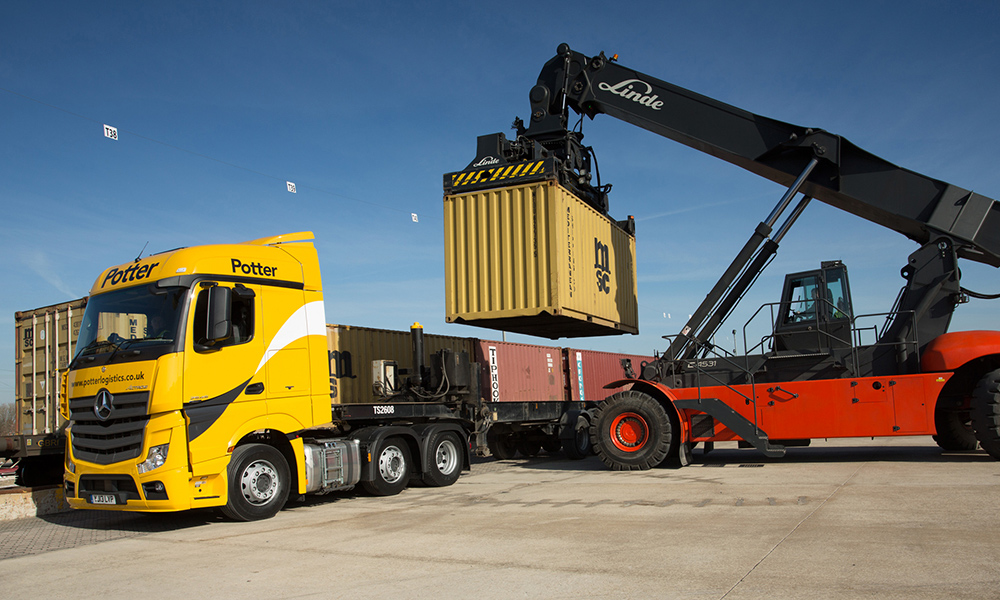
Custom clearance services in Nairobi are essential for legally importing or exporting goods through Kenya’s key entry points such as Jomo Kenyatta International Airport (JKIA) [...]
A custom declaration service in Nairobi is the official process of submitting cargo details to the Kenya Revenue Authority (KRA) for import or export clearance. [...]
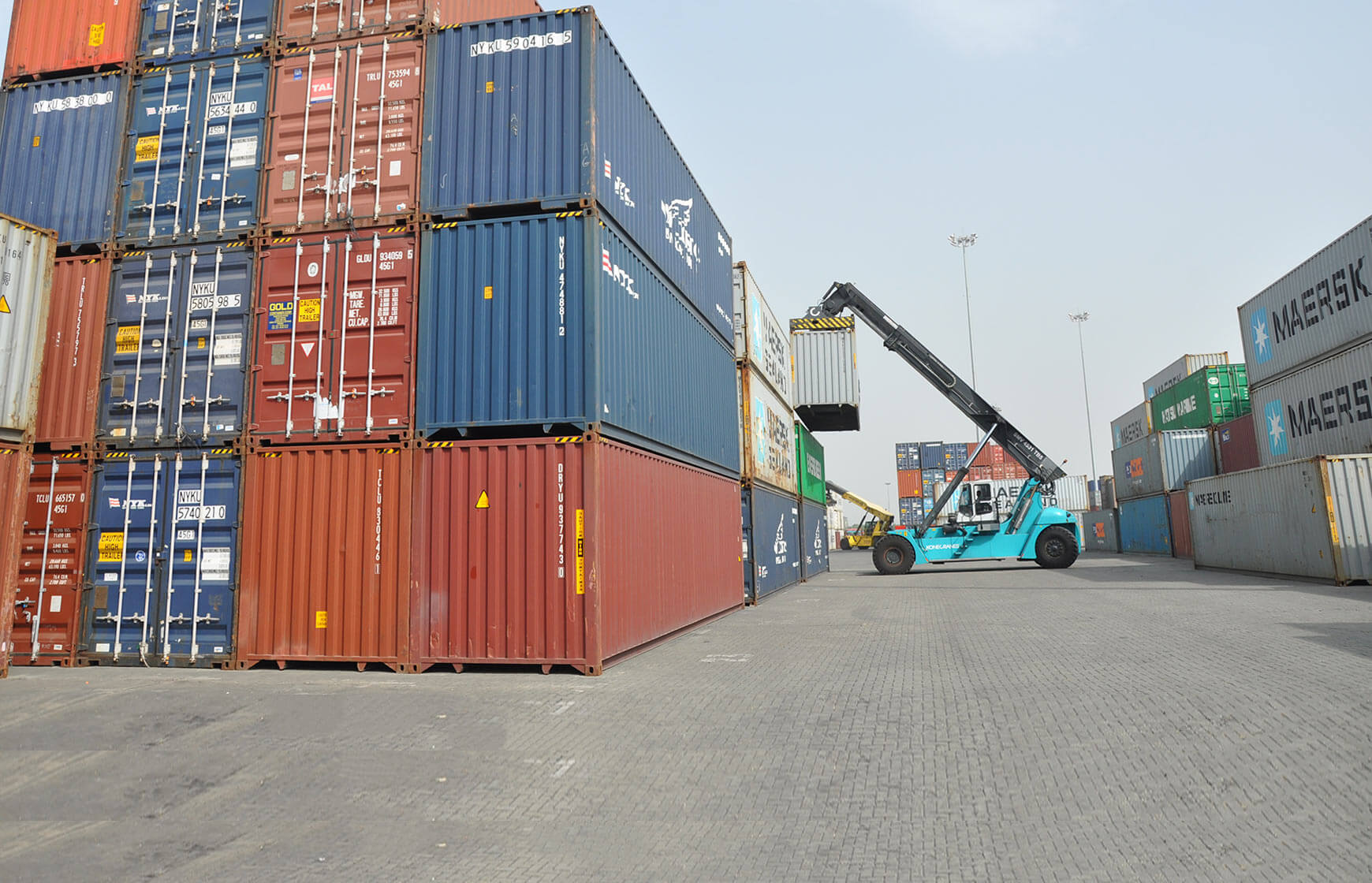
Customs clearance services in Kenya are essential for legally importing or exporting goods through entry points such as Mombasa Port and Jomo Kenyatta International Airport [...]