 Skip to content
Logistics is more than just moving goods from one place to another. For modern businesses, logistics plays a strategic role in growth, cost control, customer satisfaction, and long-term competitiveness.
So, how does logistics help a business?
In this guide, we break down the key ways logistics supports business success—especially for companies involved in importing, exporting, manufacturing, retail, and e-commerce.
What Is Logistics in Business?
In business, logistics refers to the planning, execution, and management of how goods are transported, stored, and delivered from suppliers to customers.
It includes:
-
Inventory management
-
Customs clearance
-
Distribution
-
Supply chain coordination
Effective logistics ensures products reach customers on time, in good condition, and at the lowest possible cost.
1. Logistics Companies in Kenya Reduce Business Costs
One of the biggest ways logistics companies in Kenya help a business is by controlling and reducing costs.
Professional logistics companies in Nairobi help businesses:
-
Choose cost-effective transport methods (air vs sea freight)
-
Reduce storage and handling costs
-
Avoid customs penalties and delays
-
Minimize product losses and damage
-
Optimize delivery routes
By improving efficiency, logistics prevents unnecessary expenses that eat into profits.
2. Logistics Improves Customer Satisfaction
Customers expect fast, reliable, and accurate deliveries. Poor logistics leads to late deliveries, damaged goods, and unhappy customers.
Strong logistics helps a business:
-
Deliver orders on time
-
Provide accurate delivery timelines
-
Reduce order errors
-
Improve after-sales service
Satisfied customers are more likely to return, recommend your business, and trust your brand.
3. Logistics Companies in Kenya Supports Business Growth and Expansion
A business cannot scale without reliable logistics.
As a business grows, logistics Companies in Kenya helps by:
-
Supporting higher-order volumes
-
Expanding delivery coverage nationwide or internationally
-
Managing larger inventories
-
Coordinating imports and exports efficiently
Without proper logistics, growth becomes chaotic and unsustainable.
4. Logistics Enables International Trade
For importers and exporters, logistics is essential.
Logistics helps businesses:
-
Navigate customs regulations
-
Handle import and export documentation
-
Coordinate international shipping and clearance
Without logistics expertise, international trade becomes risky and expensive.
5. Logistics Improves Inventory Management
Poor inventory management leads to overstocking, stockouts, and cash flow problems.
Effective logistics helps businesses:
-
Track inventory accurately
-
Store goods safely
-
Reduce excess stock
-
Ensure products are available when needed
Good logistics keeps inventory balanced and cash flow healthy.
6. Logistics Increases Operational Efficiency
Logistics connects every part of the supply chain.
It improves efficiency by:
-
Coordinating suppliers, warehouses, and distributors
-
Streamlining processes
-
Reducing delays and bottlenecks
-
Improving communication across operations
This allows businesses to operate smoothly and focus on their core activities.
7. Logistics Enhances Competitive Advantage
Businesses with strong logistics outperform competitors.
Logistics helps businesses:
-
Deliver faster than competitors
-
Offer better pricing due to lower costs
-
Reach customers more efficiently
-
Maintain consistent service quality
In many industries, logistics is the difference between winning and losing customers.
8. Logistics Helps Businesses Manage Risk
Risks such as delays, cargo damage, customs issues, and compliance failures can disrupt operations.
Professional logistics providers help manage risk by:
-
Ensuring regulatory compliance
-
Using secure handling procedures
-
Providing insurance options
-
Planning alternative routes and solutions
This protects businesses from unexpected losses.
9. Logistics Supports E-Commerce and Retail Businesses
For e-commerce and retail, logistics is the backbone of success.
It helps by:
-
Managing fulfillment and last-mile delivery
-
Ensuring fast order processing
-
Handling returns efficiently
-
Supporting nationwide and cross-border sales
Reliable logistics builds trust in online businesses.
10. Logistics Allows Businesses to Focus on Core Activities
Outsourcing logistics allows businesses to focus on what they do best.
Instead of worrying about shipping, clearance, and storage, businesses can focus on:
-
Sales and marketing
-
Product development
-
Customer service
-
Business strategy
Logistics companies handle the complexity behind the scenes.
Why Choose Delta Cargo Connections?
Delta Cargo Connections helps businesses grow by providing:
- Sea freight solutions
-
Nationwide and international cargo delivery
With strong operations at JKIA, Mombasa Port, and ICD Nairobi, Delta Cargo Connections ensures reliable, compliant, and efficient logistics solutions for businesses of all sizes.
Final Thoughts
So, how does logistics help a business?
It reduces costs, improves customer satisfaction, enables growth, supports international trade, and gives businesses a competitive edge.
In today’s fast-moving market, logistics is not just a support function—it is a strategic business advantage.
Partnering with an experienced logistics company like Delta Cargo Connections ensures your business runs smoothly, efficiently, and profitably.
experienced Clearing and Forwarding Agents
We’re here to help
Get in touch with us today for expert clearing, forwarding, and comprehensive logistics solutions. We ensure smooth, hassle-free cargo movement with efficiency and professionalism. Let us handle your logistics needs.

continue reading
Related Posts
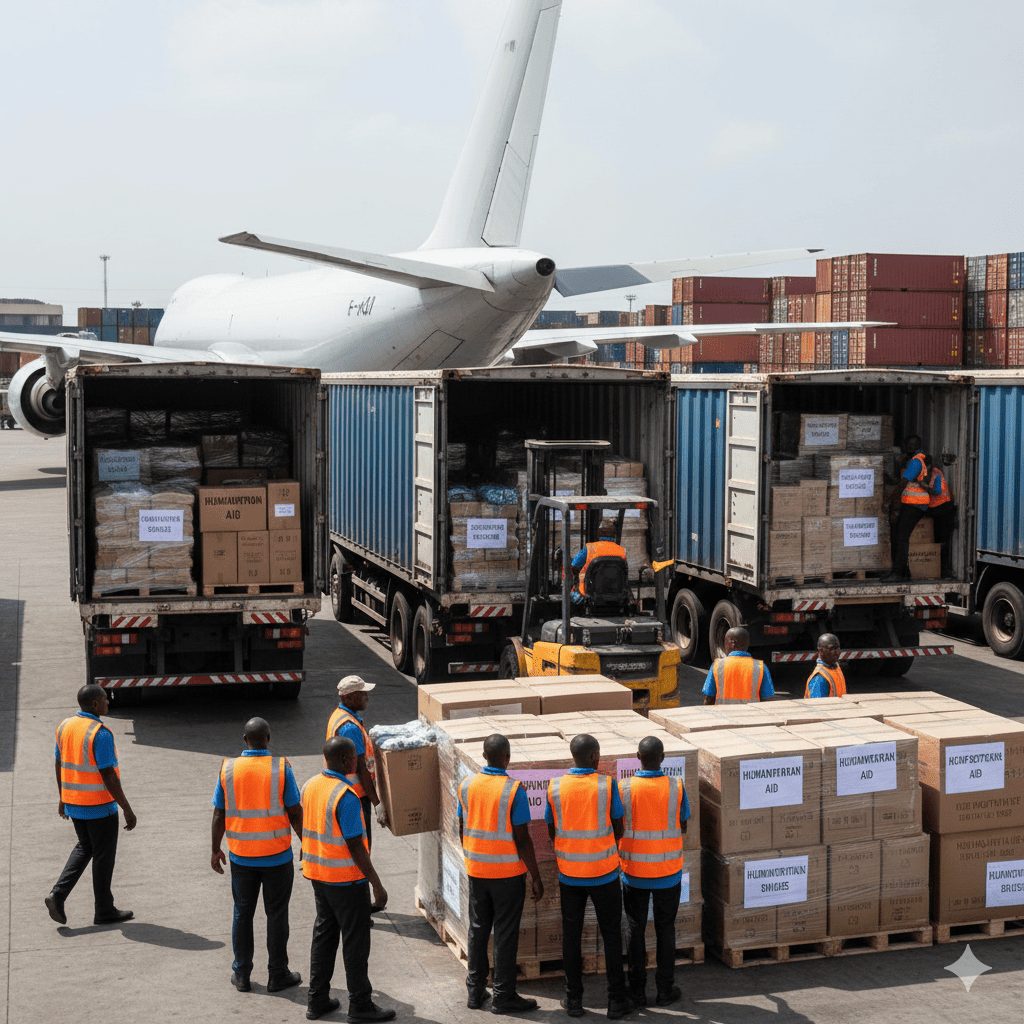
Kenya plays a strategic role in humanitarian operations across East and Central Africa. With its advanced logistics infrastructure, international airports, seaports, and road networks, the
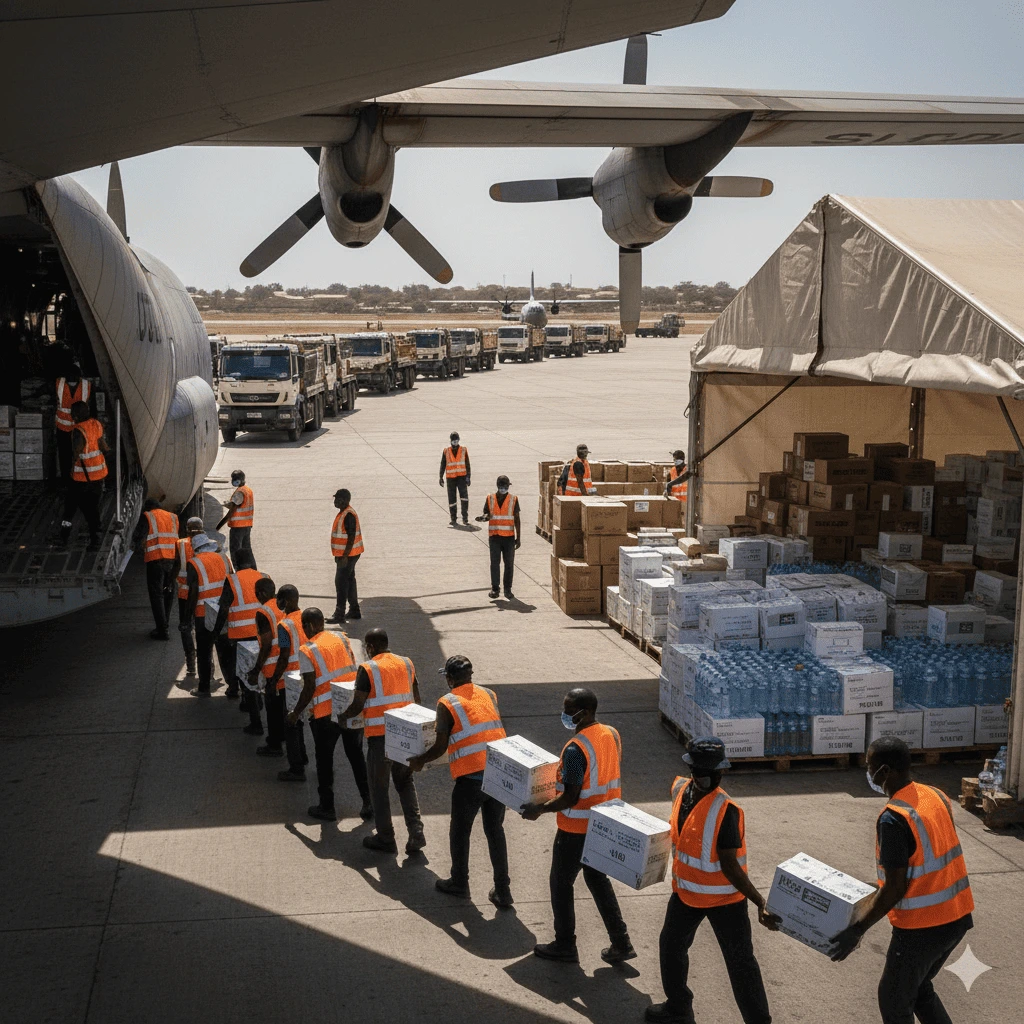
Humanitarian cargo plays a critical role in saving lives during emergencies, disasters, and conflicts. When crises strike, the fast and secure movement of relief goods

Kenya is one of East Africa’s most important trade and logistics hubs. With major entry points like Jomo Kenyatta International Airport (JKIA) and the Port