 Skip to content
When it comes to shipping goods internationally, several documents are essential to ensure smooth operations. Among these, the Bill of Lading (B/L) stands out as one of the most critical documents in the shipping and logistics industry. Understanding what a bill of lading is and its importance can make the difference between a seamless import/export process and delays at customs.
What is a Bill of Lading?
A bill of lading is a legally binding document issued by a shipping company to a consignor (the sender) detailing the type, quantity, and destination of goods being shipped. It serves as:
-
A receipt of goods: It confirms that the shipping company has received the cargo in good condition.
-
A contract of carriage: It outlines the terms and conditions under which the cargo will be transported from the origin to the destination.
-
A document of title: It allows the holder of the bill of lading to claim the goods upon arrival.
The bill of lading is not just a piece of paper; it is an essential part of the shipping process, especially for international trade. Without it, customs clearance and delivery of the goods may be delayed or even denied.
Types of Bill of Lading
There are several types of bills of lading, each serving a different purpose in logistics:
-
Straight Bill of Lading: Non-negotiable and issued to a specific consignee. The goods can only be delivered to the named recipient.
-
Order Bill of Lading: Negotiable and can be transferred to another party by endorsement. This is common in international trade.
-
Bearer Bill of Lading: The person holding the bill has the right to claim the goods.
-
Seaway Bill: Non-negotiable and often used for fast delivery without the need for the physical bill.
-
Clean and Claused Bill of Lading: Indicates the condition of the cargo upon loading. A clean bill means the cargo was received in good condition, while a claused bill highlights damage or irregularities.
Each type of bill of lading is crucial for different shipping scenarios, depending on whether the shipment is domestic or international, and whether the cargo is sold while in transit.
Why is a Bill of Lading Important?
The bill of lading is vital for multiple reasons in the shipping, freight, and logistics industries:
1. Proof of Shipment
The bill of lading acts as proof that the cargo has been handed over to the shipping company. For importers and exporters, this is crucial in demonstrating that goods were shipped as agreed in the sales contract. Without it, legal disputes regarding delivery or non-delivery can arise.
2. Facilitates Customs Clearance
For imports and exports, customs authorities require specific documents to process cargo. The bill of lading is one of the primary documents that customs officials examine. It provides critical information about the shipment, including:
-
Name of the shipper and consignee
-
Description of goods
-
Quantity and weight
-
Port of origin and destination
Having an accurate bill of lading ensures smooth customs clearance and avoids fines, delays, or seizure of goods.
3. Enables Cargo Tracking
Modern logistics companies use the bill of lading to track cargo from the point of origin to the destination. It allows both the consignor and consignee to monitor the progress of the shipment, providing transparency and accountability in the shipping process.
4. Acts as a Financial Document
The bill of lading can also function as a financial instrument. Banks and financial institutions often require it when processing letters of credit or financing trade transactions. The negotiable nature of some bills of lading allows them to be used as collateral in international trade.
5. Defines Liability and Risk
The bill of lading outlines the responsibilities of the shipping company regarding cargo loss, damage, or delay. It specifies who bears the risk at each stage of the journey, protecting both the shipper and the consignee from unexpected liabilities.
How the Bill of Lading Works in the Shipping Process
Here’s a simplified overview of how the bill of lading fits into the shipping process:
-
Booking Cargo: The shipper contacts a shipping company or freight forwarder to arrange for cargo transportation.
-
Issuing the Bill of Lading: Once the goods are received, the shipping company issues a bill of lading that lists the cargo details.
-
Transporting Cargo: The cargo is loaded onto the ship, truck, or plane as per the shipping agreement.
-
Customs Clearance: At the destination port, customs officials review the bill of lading to verify the shipment.
-
Cargo Delivery: The consignee presents the bill of lading to the shipping company to claim the goods.
This process highlights the bill of lading’s role as both a receipt and a document of title. Without it, the consignee may not legally receive the cargo.
Common Mistakes to Avoid with a Bill of Lading
Even a small error on the bill of lading can create problems during shipping. Some common mistakes include:
-
Incorrect consignee details
-
Misdescribed goods
-
Wrong quantity or weight
-
Missing or inconsistent shipping terms
Double-checking the bill of lading before shipment is essential to avoid delays, disputes, and additional costs.
Conclusion
A bill of lading is more than just a shipping document. It is a legal proof of shipment, a contract between the shipper and the carrier, a financial instrument, and a document of title. Understanding its importance can help businesses streamline their logistics, avoid customs issues, and ensure that cargo reaches its destination safely.
Whether you are importing goods, exporting products, or managing a logistics company, mastering the bill of lading is crucial for smooth operations and successful international trade.
experienced Clearing and Forwarding Agents
We’re here to help
Get in touch with us today for expert clearing, forwarding, and comprehensive logistics solutions. We ensure smooth, hassle-free cargo movement with efficiency and professionalism. Let us handle your logistics needs.

continue reading
Related Posts
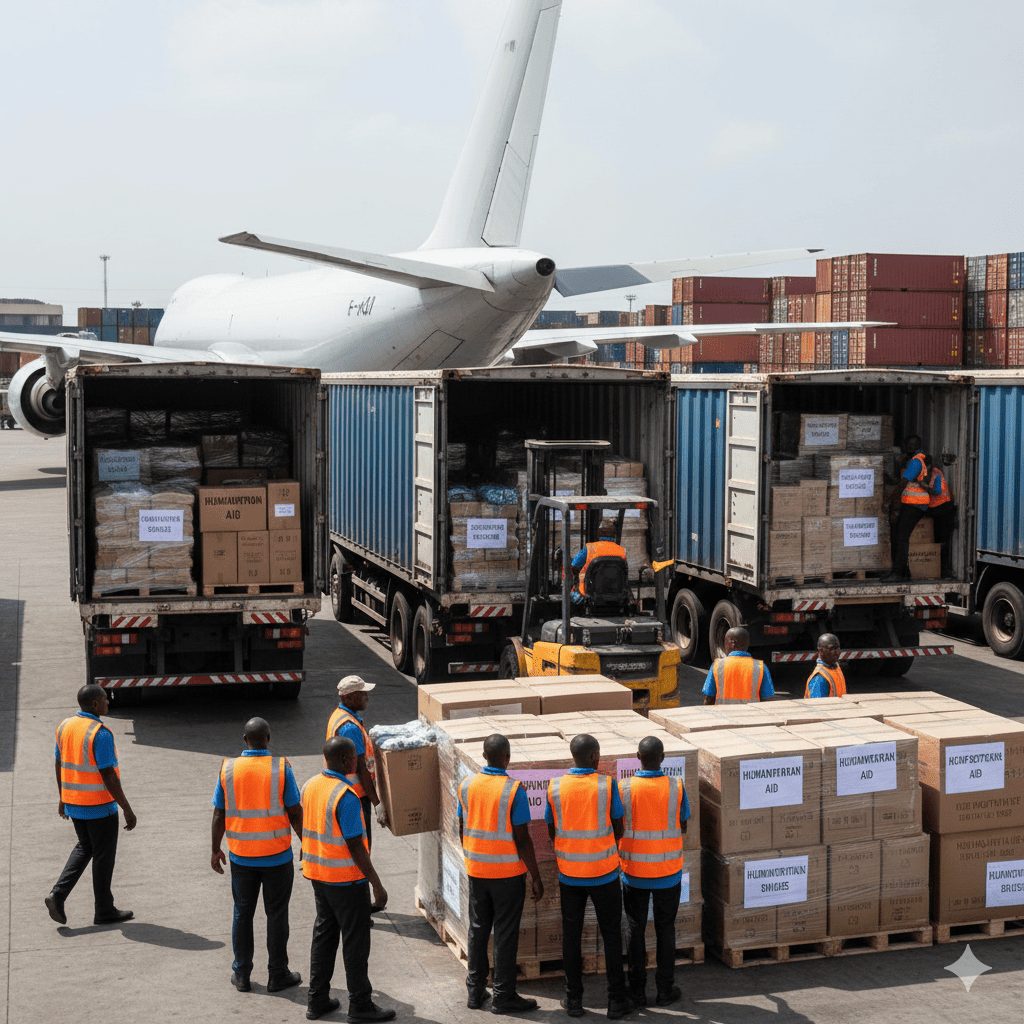
Kenya plays a strategic role in humanitarian operations across East and Central Africa. With its advanced logistics infrastructure, international airports, seaports, and road networks, the
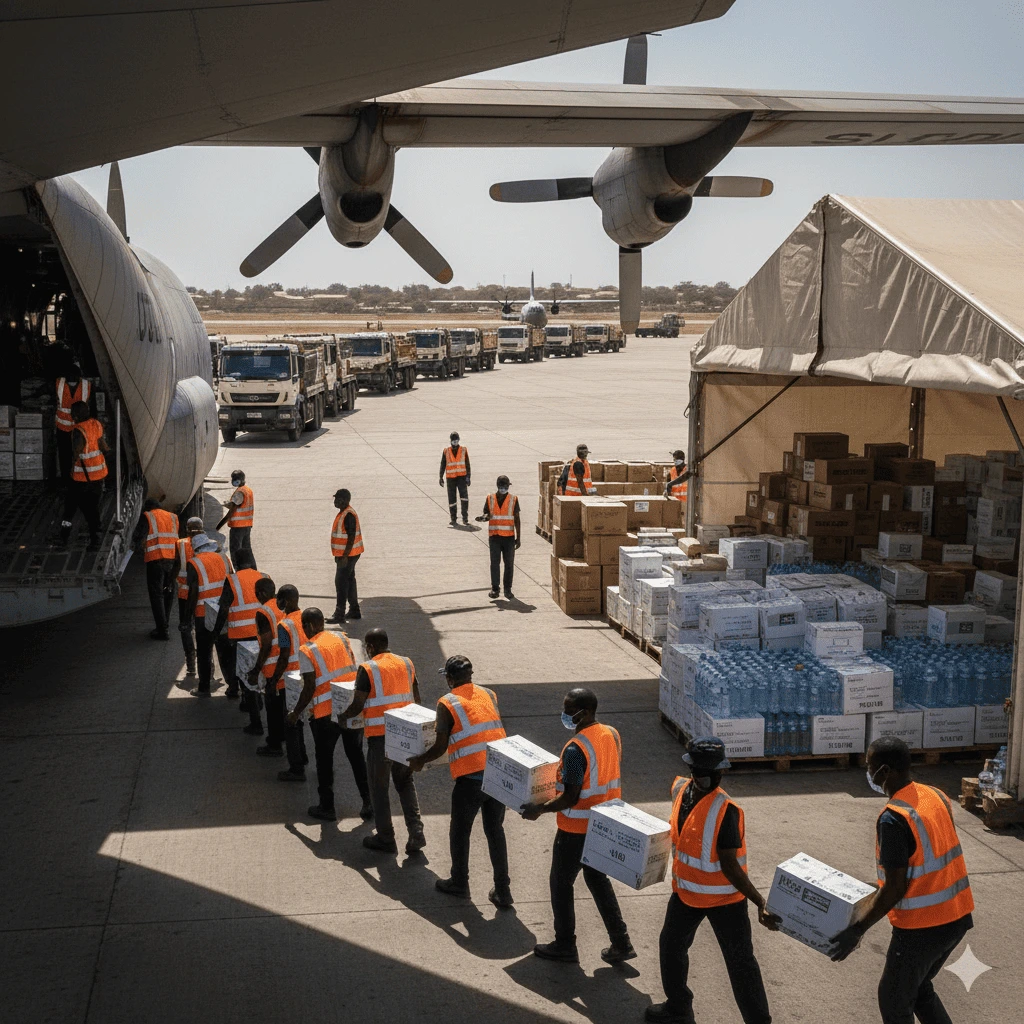
Humanitarian cargo plays a critical role in saving lives during emergencies, disasters, and conflicts. When crises strike, the fast and secure movement of relief goods

Kenya is one of East Africa’s most important trade and logistics hubs. With major entry points like Jomo Kenyatta International Airport (JKIA) and the Port