

Air freight reduces transit time from 7–14 days (sea) to 24–48 hours, preserving Kenyan flowers and vegetables at premium freshness standards. Delta Cargo Connections, [...]
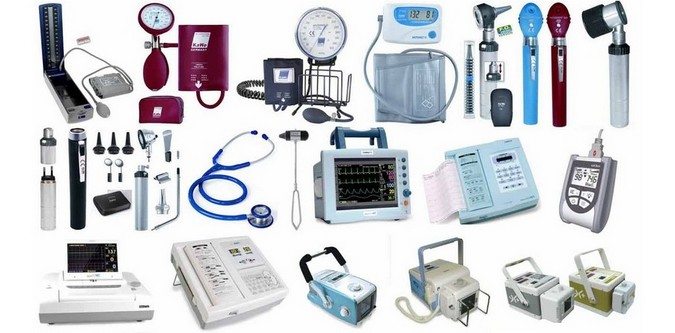
Medical device imports into Kenya require mandatory registration with the Pharmacy and Poisons Board (PPB), compliance with EAC standards, and pre-clearance approval before any cargo [...]
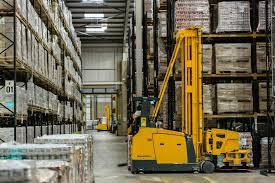
Temperature-sensitive pharmaceuticals require specialized cold chain logistics to maintain product integrity during transit to Kenya. Without proper insulation, monitoring, and KRA-compliant handling, medicines degrade, regulatory [...]
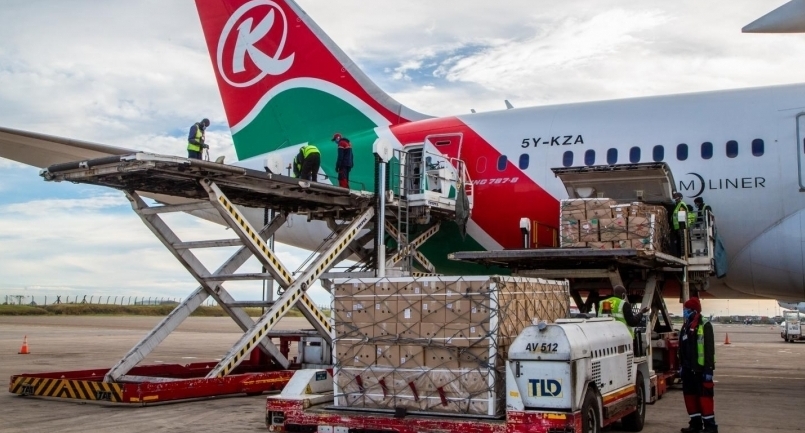
Urgent medical cargo at JKIA requires simultaneous speed and regulatory compliance—pharmaceuticals, vaccines, and diagnostic equipment must clear customs within hours, not days, to meet patient [...]

Healthcare logistics in East Africa demands more than standard freight forwarding—it requires KRA-compliant clearing, temperature-controlled transport, and regulatory expertise across Mombasa Port and JKIA. Delta [...]
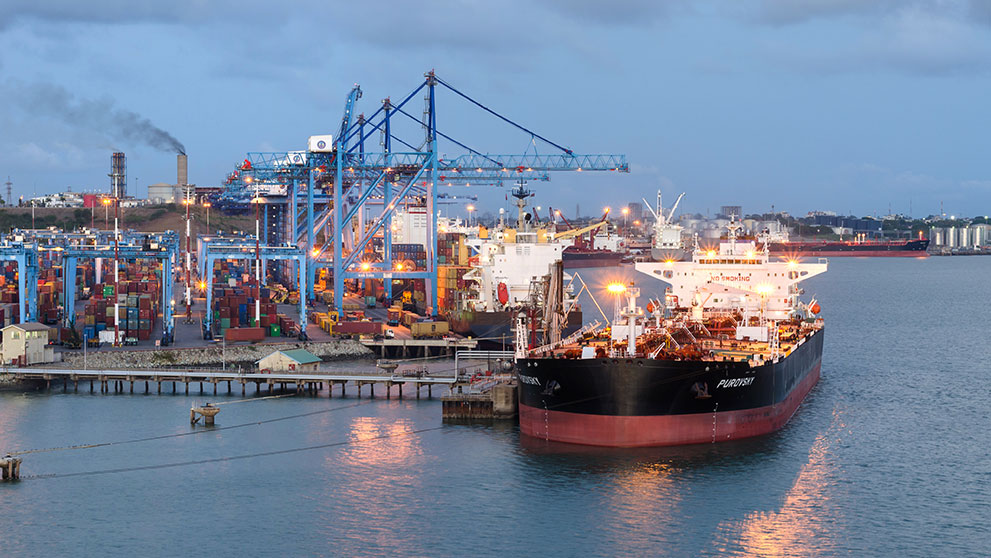
Exporting Kenyan curios and handcrafted goods requires navigating KRA customs clearance, obtaining proper HS code classification, and selecting between air freight (JKIA) or sea freight [...]
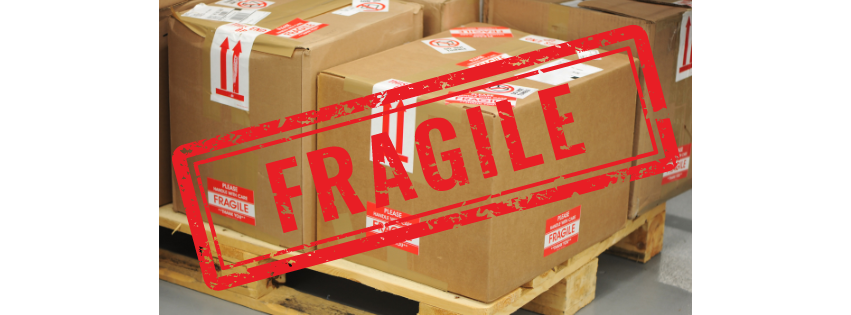
The safest way to ship fragile electronics to Nairobi is via air freight through JKIA with KRA-certified clearing agents who specialize in high-value cargo. Air [...]

Customs clearance for non-emergency transport equipment in Kenya is a mandatory regulatory process through the Kenya Revenue Authority (KRA) that approves the import or export [...]

Air freight reaches Kenya in 3–7 days at £2–6 per kg, while sea freight takes 25–35 days at £0.50–1.50 per cubic meter—making air 4–8x more [...]
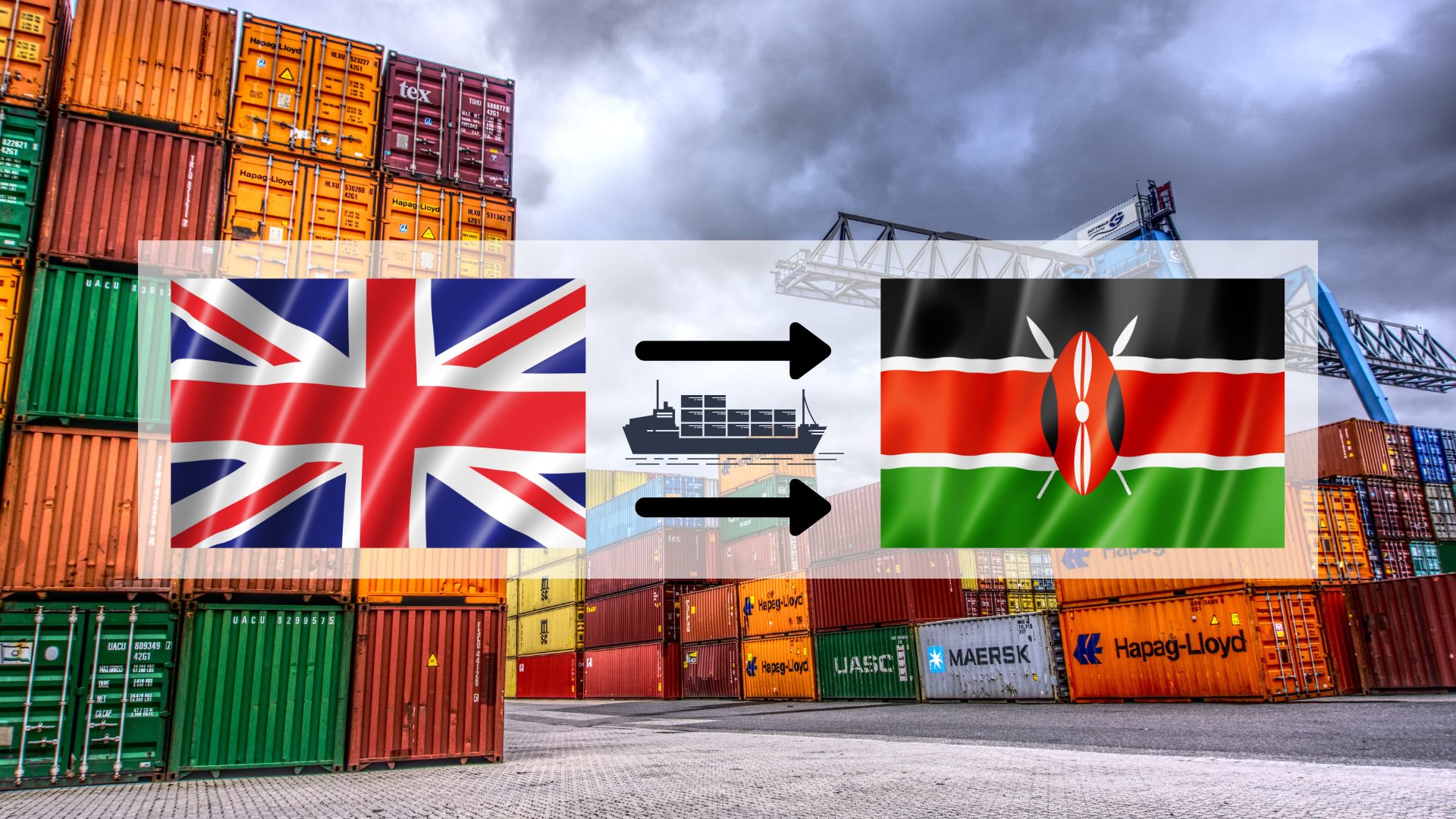
Sea freight from the UK to Kenya takes 18-25 days in transit plus 5-10 days for KRA customs clearing, totaling 3-6 weeks end-to-end. Air freight [...]