
JKIA customs clearance services in Nairobi Kenya are essential for releasing air cargo through Jomo Kenyatta International Airport under Kenya Revenue Authority (KRA) regulations.
Every shipment arriving at JKIA must undergo customs clearance before release. Without proper documentation and duty payment, cargo remains held at the terminal—leading to delays, storage costs, and business disruption.
This guide explains the full process, timelines, costs, and how to ensure fast and compliant clearance.
What Are JKIA Customs Clearance Services in Nairobi Kenya?
JKIA customs clearance services in Nairobi Kenya, involve submitting cargo documentation, obtaining duty assessments, and securing approval from KRA for cargo release.
Key Steps Involved
- Documentation submission
- Duty assessment based on HS codes
- Payment of duties and taxes
- Cargo inspection (if required)
- Final cargo release
For a broader understanding, see clearing and forwarding services in Kenya:
https://deltacargoconnections.com/clearing-and-forwarding-services/
Expert Insight
Based on extensive experience handling air cargo at JKIA, the most common cause of delays is incomplete documentation or incorrect HS classification. Early verification of documents before submission significantly improves clearance speed and reduces the likelihood of KRA queries.
Why JKIA Customs Clearance Is Important
Customs clearance ensures that all imports meet Kenyan legal and regulatory requirements.
Key Benefits
- Prevents cargo detention and penalties
- Ensures accurate duty calculation
- Reduces delays and storage costs
- Enables faster delivery to final destination
According to the Kenya Revenue Authority customs portal:
https://www.kra.go.ke/customs
How Long Does JKIA Customs Clearance Typically Take?
Clearance timelines depend on cargo type, documentation accuracy, and inspection requirements.
Clearance Timeline by Cargo Type
| Cargo Type | Clearance Time | Key Delays |
|---|---|---|
| General cargo (textiles, machinery, electronics) | 24–48 hours | None (if documents complete) |
| Pharmaceuticals & medicines | 2–5 business days | Pharmacy Board registration, batch testing |
| Vehicles & spare parts | 3–7 business days | Technical inspection, emission compliance |
| Hazardous materials (chemicals, fuel) | 5–10 business days | Safety certifications, KEBS compliance |
| Perishables (flowers, fresh produce) | 12–24 hours (urgent) | Phytosanitary inspections, temperature control |
Why Delays Happen
- Incomplete documentation: Missing invoices, incorrect HS codes, or absent import permits trigger KRA requests for amendments (adds 24–48 hours)
- Physical inspection: KRA randomly inspects 10–15% of shipments; inspection queues can add 24–72 hours
- Duty disputes: If KRA disagrees with declared values or classifications, cargo is held pending resolution
- Weekend/holiday delays: KRA operates Monday–Friday; shipments arriving Friday evening clear on Monday
Delta Cargo Connections offers express clearance for urgent shipments—our brokers prioritize documentation review, coordinate directly with KRA inspectors, and arrange duty payments within hours. For perishables and pharmaceuticals, we’ve achieved clearance in the shortest time possible.
Quick Takeaway: Standard clearance is 24–48 hours; complex cargo (pharmaceuticals, vehicles, hazmat) takes 3–7 days. Incomplete documentation is the #1 delay factor. Professional clearing agents reduce timelines by pre-vetting documents and coordinating with KRA.
What Documents Are Required for JKIA Customs Clearance?
JKIA customs clearance requires six core documents plus specialized certifications depending on cargo type. Missing even one document delays clearance by 24–48 hours and triggers KRA amendment requests.
Core Documentation (Required for All Shipments)
- Commercial invoice: Itemized list of goods, unit prices, total value, and seller details (must match airway bill value)
- Packing list: Breakdown of contents by carton/box, weights, and dimensions
- Airway bill (AWB): Original or certified copy from the airline showing shipper, consignee, and cargo details
- Certificate of origin: Confirms country of manufacture (required for tariff preference programs like AGOA)
- KRA Customs Declaration Form (C41): Completed by the importer or clearing agent; declares cargo value and classification
- Proof of duty payment or bond arrangement: Bank receipt or KRA-approved bond guarantee
Specialized Certifications (Cargo-Dependent)
- Pharmaceuticals & medicines: Pharmacy Board of Kenya registration, batch test certificates, and manufacturing licenses
- Food & beverages: Kenya Bureau of Standards (KEBS) certification and health department approval
- Flowers & horticulture exports: Phytosanitary certificate from Kenya Plant Health Inspectorate Service (KEPHIS)
- Vehicles & spare parts: Technical inspection report and emission compliance certificate
- Hazardous materials: Safety Data Sheets (SDS), IATA certification, and chemical import permits
- Electronics & electrical goods: KEBS compliance marks and warranty documentation
Delta Cargo Connections Insight: We maintain a pre-clearance checklist for every cargo type. Our brokers verify documents before submission to KRA, reducing rejection rates to under 2%. For pharmaceutical imports, we coordinate directly with the Pharmacy Board—ensuring batch numbers and registration align perfectly.
Quick Takeaway: Six core documents are mandatory; specialized certifications depend on cargo type (pharmaceuticals, vehicles, hazmat, food). Missing documents delay clearance 24–48 hours. Delta Cargo Connections pre-vets all documentation to prevent KRA rejections.
JKIA Customs Duties and Taxes in Kenya
Import duties are calculated based on cargo value and classification.
Standard Tax Structure
- Import duty: 0–35%
- VAT: 16%
- Import Declaration Fee (IDF)
- Railway Development Levy (RDL)
Example Calculation
- CIF Value: KES 1,000,000
- Import Duty (25%): KES 250,000
- VAT: KES 200,000
- Total landed cost: KES 1,450,000+
Expert Insight
Accurate HS code classification plays a critical role in determining applicable duties. Misclassification can result in overpayment or disputes, making proper tariff interpretation essential for cost control.
For a detailed breakdown, see VAT, IDF, RDL and excise duty explained in Kenya
Step-by-Step JKIA Clearance Process
Understanding the process helps prevent costly delays.
Step 1: Cargo Arrival
The airline notifies the importer when cargo arrives at JKIA.
Step 2: Documentation Submission
Documents are submitted to KRA for verification.
Step 3: Duty Assessment
KRA calculates duties based on classification and value.
Step 4: Inspection
Cargo may undergo inspection depending on risk profiling.
Step 5: Payment and Release
Once duties are paid, cargo is released.
Expert Insight
Cargo inspections are typically triggered by risk profiling or random selection. Proper documentation and accurate declaration values reduce the likelihood of extended inspection delays.
For faster handling, explore air freight clearing services in Nairobi Kenya
DIY Clearing vs. Using Delta Cargo Connections
| Factor | DIY Clearing (Self-Handling) | Delta Cargo Connections (Professional) |
|---|---|---|
| Clearance time | 3–7 days (inexperience causes delays) | 24–48 hours (KRA relationships accelerate process) |
| Documentation errors | 15–20% rejection rate (costly amendments) | <2% rejection rate (pre-vetting prevents errors) |
| Duty calculations | Risk of overpayment or KRA disputes | Accurate calculations using live tariff database |
| Storage costs | KES 5,000–10,000/day for delays | Fast release = minimal storage fees |
| Compliance risk | Potential penalties for incorrect declarations | Full KRA compliance; zero penalties |
Quick Takeaway: JKIA clearance follows a 5-step process: arrival notification → documentation review → KRA assessment → duty payment → release. Professional clearing agents reduce timelines from 3–7 days to 24–48 hours, prevent costly errors, and ensure KRA compliance.
Why Choose Delta Cargo Connections
Delta Cargo Connections provides reliable JKIA customs clearance services in Nairobi Kenya with a strong focus on compliance and efficiency.
Trust Signals
- Over 10 years of industry experience
- Expertise in air cargo clearance
- Strong compliance track record
- End-to-end logistics solutions
Learn more about Delta Cargo Connections company profile and experience
Frequently Asked Questions
How much does JKIA customs clearance cost?
Typically between KES 25,000 and 40,000, excluding duties and taxes.
Can I clear cargo without a clearing agent?
Yes, but it requires KRA registration and experience. Most importers use agents to avoid delays.
What happens if cargo fails inspection?
Cargo may be held until issues are resolved, including document correction or reassessment.
Do all goods require import permits?
No, only restricted goods require permits.
Contact JKIA Customs Clearance Experts
If you need fast and reliable customs clearance at JKIA, professional support can save time and reduce costs.
Get Started
Call: +254 722 718 358
Email: info@deltacargoconnections.com
Reach out through customs clearing services contact page in Kenya
Why wait? Every day your cargo sits at JKIA costs money in storage fees and lost sales. Let Delta Cargo Connections—Kenya’s trusted clearing agent—expedite your imports and get your business moving.
experienced Clearing and Forwarding Agents
We’re here to help
Get in touch with us today for expert clearing, forwarding, and comprehensive logistics solutions. We ensure smooth, hassle-free cargo movement with efficiency and professionalism. Let us handle your logistics needs.

continue reading
Related Posts
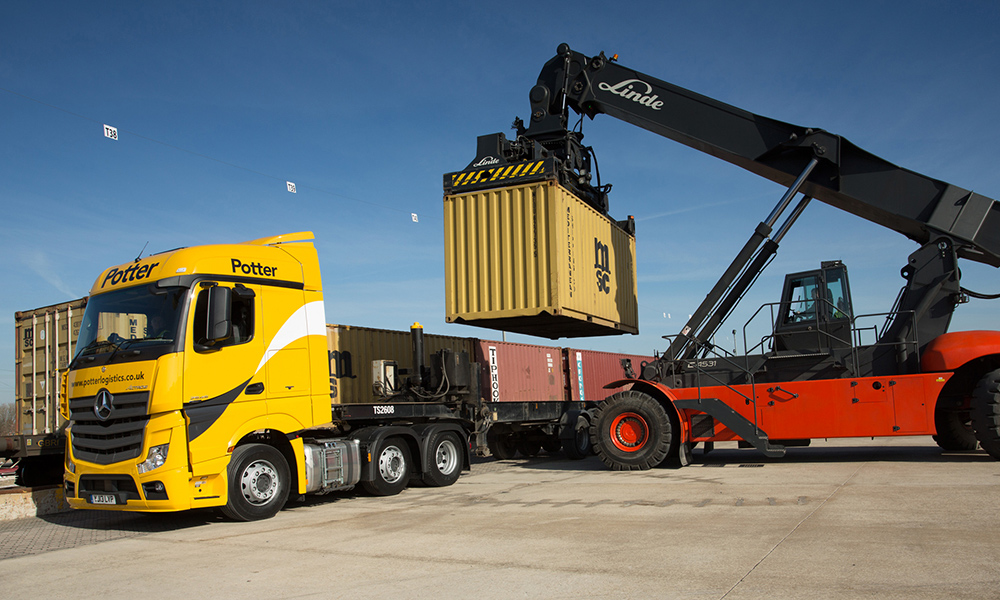
Custom clearance services in Nairobi are essential for legally importing or exporting goods through Kenya’s key entry points such as Jomo Kenyatta International Airport (JKIA) [...]
A custom declaration service in Nairobi is the official process of submitting cargo details to the Kenya Revenue Authority (KRA) for import or export clearance. [...]
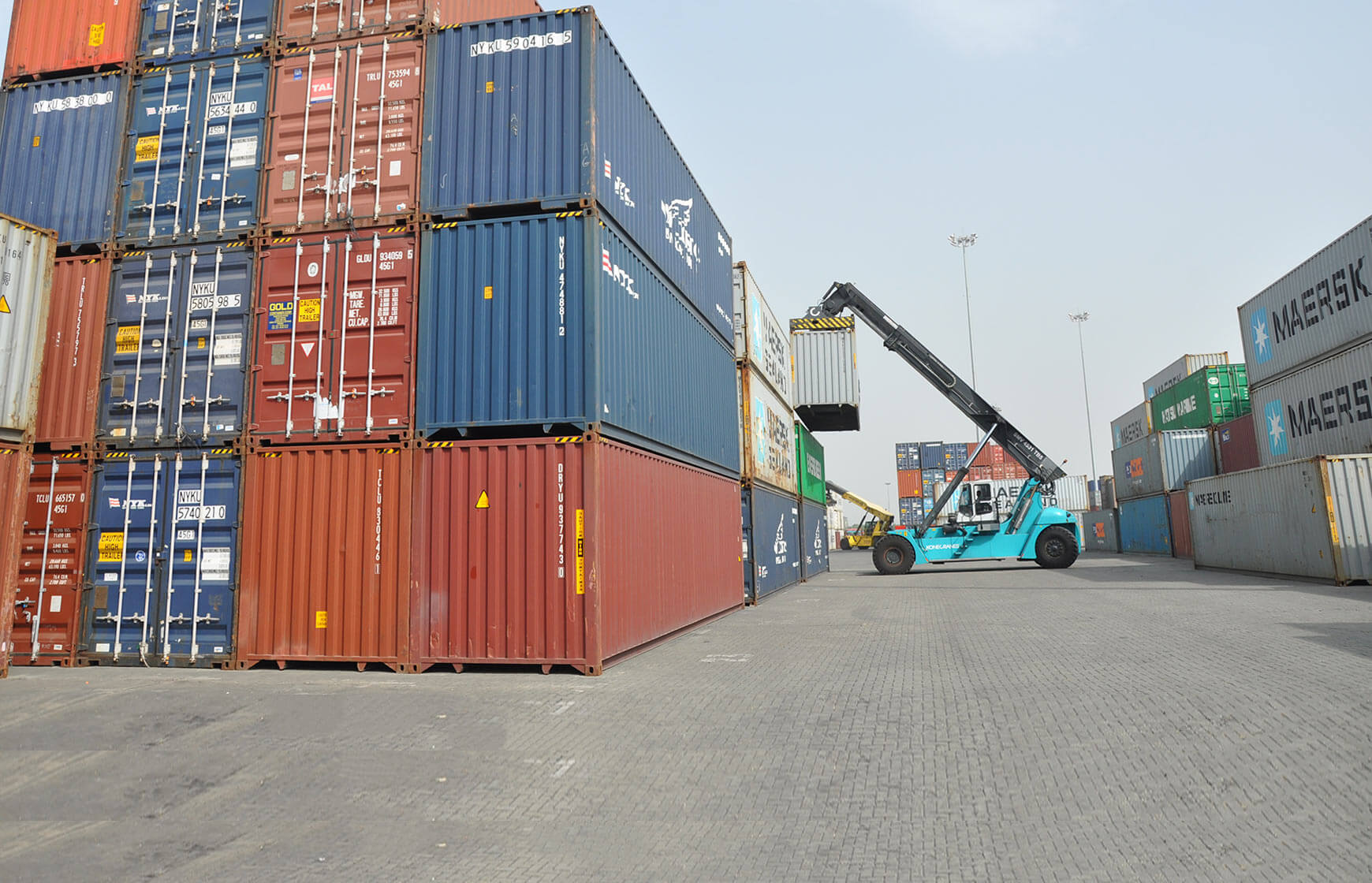
Customs clearance services in Kenya are essential for legally importing or exporting goods through entry points such as Mombasa Port and Jomo Kenyatta International Airport [...]