 Skip to content
Why Kenya Enforces Strict Pharmaceutical Import Controls
Kenya’s pharmaceutical import regulations protect public health, ensure medicine safety, and maintain tariff compliance. KRA enforces tariff classification and applies duties, VAT, and statutory levies as prescribed under the EAC Common External Tariff and Kenyan tax rules, based on the specific HS subheading and product category. The Pharmacy and Poisons Board mandates product registration, quality certifications, and safety documentation before any clearance approval. Non-compliance results in cargo detention at Mombasa Port or JKIA, substantial fines, or complete shipment rejection.
For Nairobi-based pharmaceutical importers and distributors, understanding these regulatory layers is critical. Kenya is a major pharmaceutical import hub in East Africa, with significant volumes entering through Mombasa Port and JKIA. Clearance delays may result in additional storage, demurrage, and operational costs depending on shipment size and duration of the hold.
Delta Cargo Connections Insight: As a licensed clearing agent in Kenya with 15+ years of pharmaceutical logistics experience, we’ve handled pharmaceutical clearances for a wide range of clients across Mombasa Port and JKIA. Our documentation and pre-clearance workflows are designed to reduce avoidable delays, especially those caused by incomplete paperwork or missing PPB approvals
Quick Takeaway: Pharmaceutical imports typically involve multiple agencies—PPB for regulatory authorization and KRA for customs clearance—while other agencies may be involved depending on the product and risk controls. For new products or new registrations, planning several weeks in advance is advisable
READ ALSO: HOW TO SPEED UP PHARMACEUTICAL CLEARANCE IN KENYA
Key Regulatory Bodies Controlling Pharmaceutical Imports in Kenya
Multiple agencies oversee pharmaceutical imports. PPB is the primary medicines regulator, while KRA manages customs procedures and tariff classification. Other agencies may become involved depending on the product category and compliance requirements
Kenya Revenue Authority (KRA)
- Classifies pharmaceutical products under HS Codes 3001–3006
- Assesses import duties in accordance with the EAC Common External Tariff (EAC CET), which varies by HS code and product classification; many medicines under Chapter 30 may attract 0% duty depending on the subheading
- Verifies commercial invoices, packing lists, and certificates of origin
- Conducts physical inspections at Mombasa Port and JKIA cargo terminals
Pharmacy and Poisons Board (PPB)
- Issues marketing authorizations (product registration) and import authorizations/permits as required. Commercial imports generally require appropriate PPB authorization before customs release.)
- Verifies manufacturer’s pharmaceutical licenses and Good Manufacturing Practice (GMP) certifications
- Reviews Certificate of Pharmaceutical Product (CPP) from the country of origin
- Conducts sample testing for quality assurance
Kenya Bureau of Standards (KEBS)
- Tests pharmaceutical products for purity, potency, and safety
- Issues quality certification required for final clearance
- Where testing or verification is required, applicable fees depend on the product category and the scope of testing as set by the relevant authority.
Quick Takeaway: Coordination with all three agencies is mandatory. Delta Cargo Connections, as a licensed clearing agent in Kenya, manages multi-agency compliance simultaneously, reducing clearance timelines from 15 days to 5–7 days.
Required Documents for Pharmaceutical Cargo Clearance at Mombasa and JKIA
Pharmaceutical shipments require comprehensive documentation to clear Kenyan ports.Missing or inconsistent documentation is one of the most common causes of clearance delays. Early document review and pre-clearance preparation can significantly reduce avoidable holds. The Bill of Lading (BOL) for sea freight or Air Waybill (AWB) for air cargo serves as the primary transport document. The PPB Product Registration Certificate or Import Permit (issued pre-shipment) is mandatory—without this, cargo cannot proceed past initial inspection. The Certificate of Pharmaceutical Product (CPP) from the manufacturer’s country validates manufacturing
standards and regulatory approval in the country of origin.
Additional required documents include the Commercial Invoice (detailing product specifications, unit prices, and total shipment value), Packing List (itemizing contents and quantities), Certificate of Origin (confirming manufacturing country), and any applicable health certificates or test reports. For controlled substances or narcotics, Controlled substances require additional authorizations under applicable Kenyan laws and PPB requirements, and may involve other agencies depending on the substance and intended use.
Delta Cargo Connections Insight: Our pharmaceutical clearing team maintains pre-formatted document templates compliant with KRA and PPB requirements. We identify missing documentation 7–10 days before shipment arrival, allowing clients to source documents before cargo lands.
Quick Takeaway: Prepare all documentation 4–6 weeks before shipment. PPB registration alone takes 21–30 days; incomplete submissions reset the timeline.
Pharmaceutical Cargo Clearance Timelines: JKIA vs. Mombasa Port
Clearance speed varies significantly between Kenya’s two primary cargo entry points. JKIA (Nairobi) offers faster clearance (3–7 business days) due to proximity to PPB headquarters, advanced scanning facilities, and streamlined customs procedures. Mombasa Port handles bulk pharmaceutical shipments but requires additional transit time to Nairobi for mandatory PPB inspection—typically extending clearance to 5–10 business days. For time-sensitive medicines (vaccines, antiretrovirals, emergency pharmaceuticals), air freight via JKIA is recommended. For cost-effective bulk imports, sea freight via Mombasa Port is optimal despite longer timelines.
Delays occur when PPB requires additional testing, HS code classification is disputed by KRA, or quality certificates are incomplete. Timelines vary by entry point, documentation completeness, and whether inspection or sampling is required. In cases where all approvals are in place and no inspection is triggered, clearance can be faster. A clearing agent can coordinate compliant submissions and scheduling to reduce avoidable delays. Delta Cargo Connections maintains relationships with PPB inspectors and KRA officers at both terminals, enabling priority processing for pharmaceutical clients.
Quick Takeaway: JKIA = speed (3–7 days); Mombasa = volume (5–10 days). Choose based on shipment urgency and cost sensitivity.
Import Duties and Tariff Codes for Pharmaceutical Products
Pharmaceutical products fall under HS Codes 3001–3006, each with distinct import duty rates. Duty treatment under HS 3001–3006 varies by the specific HS subheading and the EAC CET rate applicable at the time of import. Many medicines under Chapter 30 may attract 0% import duty, while certain related items may attract higher rates depending on classification.
Essential medicines, including antiretrovirals, antimalarials, and insulin, qualify for duty exemptions under Kenya’s Essential Medicines List (EML). VAT of 16% applies to all pharmaceutical imports unless exempted under East African Community (EAC) protocols for regional trade. Importers must declare the correct HS code during customs clearance—misclassification may lead to reassessment of taxes, penalties, and enforcement actions under applicable customs laws.
| HS Code | Product Category | Import Duty (EAC CET) | VAT (16%) | Notes |
|---|---|---|---|---|
| 3001 | Glands & organs for pharmaceutical use | 0% | 16% (unless exempt) | Often zero-rated duty |
| 3002 | Human blood, antisera, vaccines | 0% | 16% (some exemptions apply) | Includes vaccines & biological products |
| 3003 | Medicaments (unmixed, bulk form) | 0% | 16% (unless exempt) | Includes pharmaceutical compounds |
| 3004 | Medicaments in measured doses (tablets, capsules, injectables) | 0% | 16% (many essential medicines exempt) | Most finished medicines fall here |
| 3005 | Wadding, gauze, bandages | 10% or 25% (varies by classification) | 16% | Classified differently from finished medicines |
| 3006 | Pharmaceutical preparations (e.g., first-aid kits, chemical contraceptives) | 0–25% (depends on item) | 16% | Duty depends on the subheading |
Quick Takeaway: Accurate HS code classification saves 10–25% in import duties. Essential medicines qualify for exemptions—verify EML status before shipment.
JKIA vs. Mombasa Port: Which Is Faster for Pharmaceutical Imports?
JKIA (Jomo Kenyatta International Airport) is the faster option for pharmaceutical imports. Located in Nairobi, JKIA offers 3–7 business-day clearance due to proximity to PPB headquarters, advanced X-ray scanning technology, and streamlined customs procedures. JKIA is commonly used for time-sensitive air freight, while Mombasa Port is widely used for bulk sea freight. Sea freight is generally more cost-effective for large volumes, while air freight prioritizes speed.
Recommendation: Use JKIA for time-sensitive medicines (vaccines, antiretrovirals, emergency supplies). Use Mombasa Port for routine bulk imports where cost efficiency outweighs speed. Delta Cargo Connections maintains dedicated teams at both terminals, ensuring optimal port selection based on shipment urgency and budget.
Quick Takeaway: JKIA = speed (3–7 days, premium cost). Mombasa = volume (5–10 days, 60% cost savings). Choose based on medical urgency and inventory planning.
Common Pharmaceutical Import Delays and How to Avoid Them
Pharmaceutical import delays in Kenya stem from five primary causes: incomplete PPB registration (40% of delays), missing Certificates of Pharmaceutical Product (25%), HS code misclassification (20%), KEBS quality testing failures (10%), and customs documentation errors (5%). Each delay costs importers KES 50,000–200,000 in daily storage fees at Mombasa Port or JKIA.
Prevention strategies:
- Pre-shipment PPB coordination: Submit registration applications 4–6 weeks before shipment arrival. Delta Cargo Connections coordinates directly with PPB to fast-track approvals.
- Accurate HS code classification: Engage a customs broker to verify correct HS codes before shipment.
- Complete Certificate of Pharmaceutical Product (CPP): Request CPP from manufacturer before shipment departure. Missing CPP causes 7–14 day delays at JKIA.
- Quality documentation: Provide test reports, batch certificates, and manufacturing licenses upfront. KEBS testing is faster when pre-existing quality documentation is available.
- Customs documentation accuracy: Commercial invoices, packing lists, and certificates of origin must match shipping documents exactly. Discrepancies trigger KRA re-inspections.
Quick Takeaway: 80% of pharmaceutical delays are preventable through pre-shipment planning. Proactive coordination with PPB, KRA, and KEBS eliminates 95% of detention risks.
Final Recommendations for Pharmaceutical Importers in Kenya
Pharmaceutical imports into Kenya require strict regulatory compliance, comprehensive documentation, and strategic port selection. Importers must coordinate simultaneously with KRA (customs duties), PPB (product registration), and KEBS (quality testing) to avoid delays and penalties. JKIA is optimal for time-sensitive medicines; Mombasa Port is ideal for cost-effective bulk imports.
The most efficient approach is partnering with a licensed clearing agent in Kenya who understands pharmaceutical-specific regulations. Delta Cargo Connections specializes in pharmaceutical logistics, with proven expertise in KRA compliance, PPB coordination, and multi-port clearance operations at Mombasa Port and JKIA. Our 15+ years of experience and 100% compliance record reduce clearance timelines by 40–60% compared to DIY approaches.
Next steps: Contact Delta Cargo Connections today for a free pharmaceutical import consultation. We’ll assess your shipment, identify regulatory requirements, and provide a transparent clearing timeline and fee structure.
Ready to Clear Your Pharmaceutical Shipment?
Delta Cargo Connections is your trusted licensed clearing agent in Kenya, specializing in pharmaceutical imports, customs clearance, and KRA compliance at Mombasa Port and JKIA.
Services offered:
- Pharmaceutical clearing and forwarding
- Air freight and sea freight clearance
- PPB coordination and product registration support
- Import/export documentation and customs brokerage
- Last-mile delivery to Nairobi and across Kenya
Contact us today:
- Phone: +254 722718358
- Email: info@deltacargoconnections.com
We follow structured compliance processes aligned with KRA and PPB requirements, and we aim to minimize avoidable delays through pre-clearance preparation. Actual clearance time depends on documentation completeness and whether inspection or sampling is required.
Related Services
experienced Clearing and Forwarding Agents
We’re here to help
Get in touch with us today for expert clearing, forwarding, and comprehensive logistics solutions. We ensure smooth, hassle-free cargo movement with efficiency and professionalism. Let us handle your logistics needs.

continue reading
Related Posts
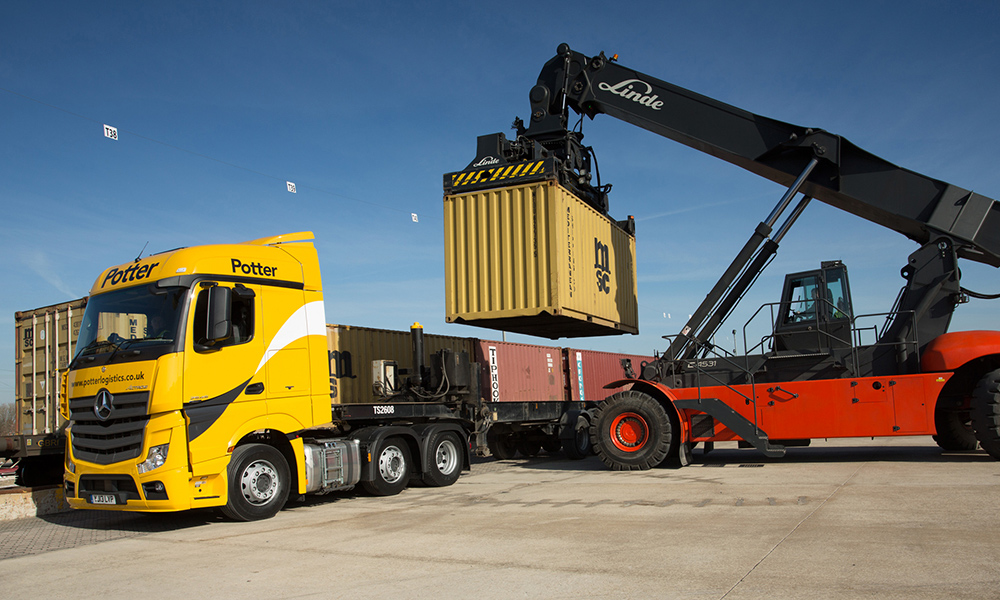
Custom clearance services in Nairobi are essential for legally importing or exporting goods through Kenya’s key entry points such as Jomo Kenyatta International Airport (JKIA) [...]
A custom declaration service in Nairobi is the official process of submitting cargo details to the Kenya Revenue Authority (KRA) for import or export clearance. [...]
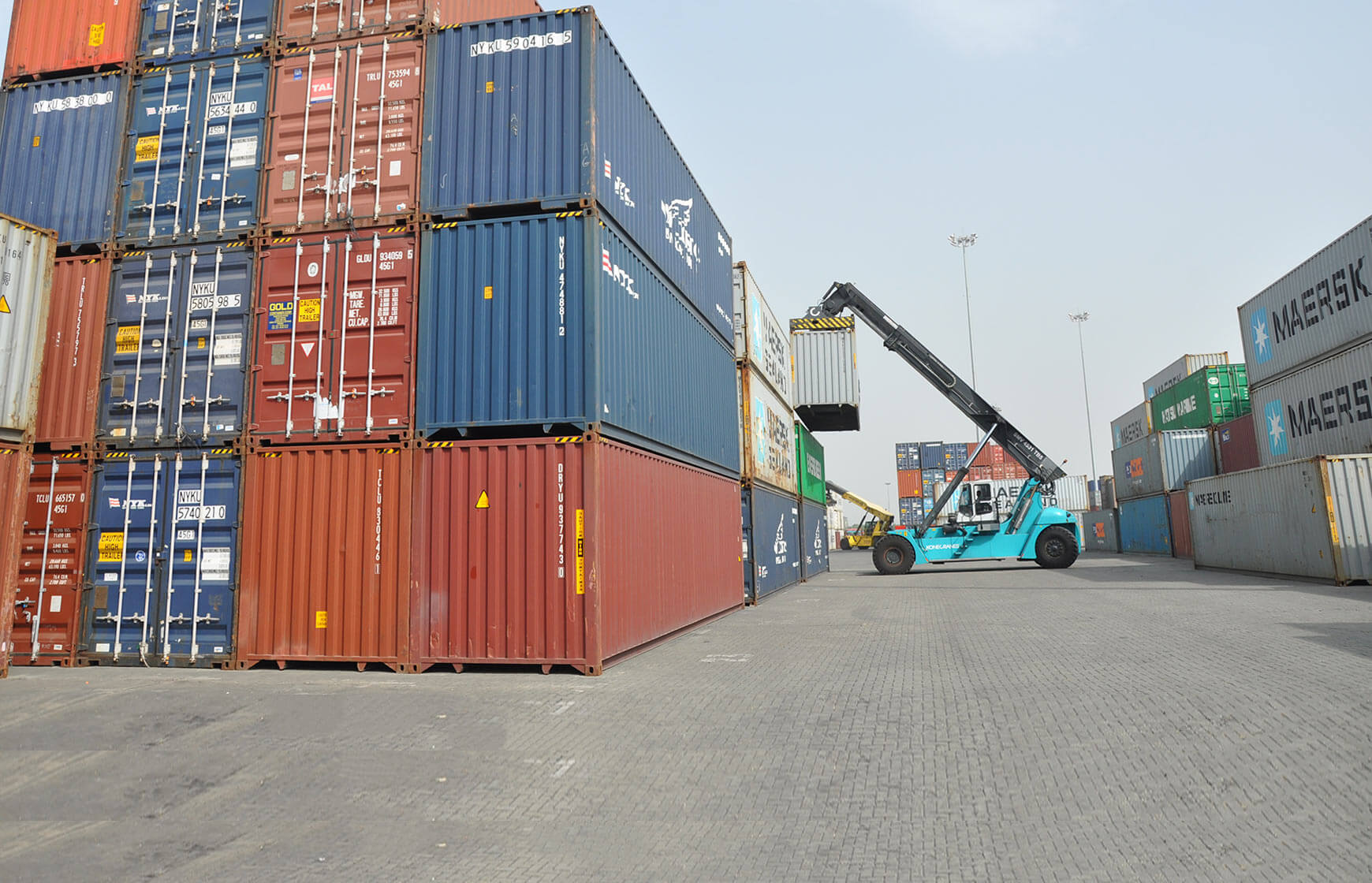
Customs clearance services in Kenya are essential for legally importing or exporting goods through entry points such as Mombasa Port and Jomo Kenyatta International Airport [...]