
Medical Supply Imports in Kenya: Compliance Requirements Explained
The Kenya Revenue Authority (KRA) requires proper customs clearance for all imports, including medical supplies. Medical products are also regulated by the Pharmacy and Poisons Board (PPB).
While self-clearance is legally permitted if an importer is properly registered and compliant, medical imports involve technical customs and regulatory requirements. For this reason, many businesses choose to work with licensed clearing agents to manage compliance efficiently at Mombasa Port and JKIA cargo terminals.
Why Medical Supplies Require Specialized Clearance in Kenya
Medical supply imports fall under controlled product categories. Pharmaceutical products, diagnostic equipment, medical devices, and certain consumables require regulatory authorization before distribution within Kenya.
Unlike general cargo, regulated medical goods may require:
- Product registration or exemption from PPB
- Import permits issued before shipment arrival
- Regulatory inspection where applicable
- Accurate customs classification and valuation
KRA manages customs processing, while PPB oversees product safety and compliance.
Learn more about our regulated cargo handling under our clearing category.
Core Compliance Requirements
KRA Registration
Importers must have an active KRA PIN and be registered for customs declarations.
PPB Authorization
Pharmaceuticals and certain medical devices require valid product registration or exemption plus an approved import permit.
Health-Related Documentation
Some products require certificates of analysis, manufacturer authorization, or free sale certificates, depending on classification.
Port Procedures
Clearance at Mombasa Port or JKIA depends on documentation completeness and inspection requirements.
Cargo Insurance
Insurance is generally required for customs valuation and risk management.
Quick Takeaway
Self-clearing medical supplies is legally allowed if all KRA and PPB requirements are met. However, because of the technical regulatory framework, many businesses engage experienced clearing agents to reduce delays.
What Are KRA Requirements for Medical Supply Imports?
The Kenya Revenue Authority maintains documentation standards for all imports.
Understanding these requirements before shipment departure reduces the risk of port delays.
Essential Documentation for Medical Imports
- Commercial invoice with accurate HS codes
- Packing list
- Certificate of origin
- Import Declaration Form (IDF)
- Bill of lading or airway bill
- Insurance certificate
- PPB import permit (where applicable)
For a full breakdown of documentation requirements, see:
What documents are required for pharmaceutical clearance in Kenya
PPB Regulatory Process
The Pharmacy and Poisons Board operates independently from customs.
Where applicable, the process typically includes:
Application Submission
Product registration confirmation or exemption and import permit application prior to shipment.
Regulatory Review
Verification of compliance with Kenyan pharmaceutical regulations.
Inspection (where required)
Physical verification may occur depending on product type and risk profile.
Customs Clearance
KRA processes final release once regulatory requirements are satisfied.
For step-by-step import guidance, see:
How to Import Medicine into Kenya Step by Step
Quick Takeaway
Medical imports require both customs compliance and health regulatory authorization. Early preparation helps prevent avoidable delays.
What Happens If Documentation Is Incomplete?
If documentation is incomplete or inconsistent, several issues may arise.
Immediate Consequences at Port
Cargo Hold
Shipments may be temporarily held pending clarification.
Storage Charges
Port storage and demurrage fees accrue daily in Kenyan Shillings (KES).
Inspection Delays
Additional regulatory review may extend clearance timelines.
Declaration Amendments
Importers may be required to correct customs entries.
Legal and Financial Implications
KRA may impose administrative penalties in cases of:
- Incorrect valuation
- Misclassification
- False declaration
Serious violations involving counterfeit or unsafe pharmaceuticals may result in seizure and prosecution under applicable law.
Business Impact
Delays in medical imports can affect:
- Healthcare supply timelines
- Inventory management
- Working capital planning
Accurate documentation significantly reduces these risks.
Quick Takeaway
Self-clearance does not automatically result in penalties. However, regulated medical imports require careful compliance management to avoid delays and additional costs.
DIY Clearing vs. Licensed Clearing Agent
| Aspect | Self-Clearing | Licensed Clearing Agent |
|---|---|---|
| Regulatory Knowledge | Requires internal expertise | Experienced customs professionals |
| Documentation | Managed internally | Coordinated professionally |
| Inspection Coordination | Importer responsibility | Agent facilitates |
| Time Investment | Significant | Reduced internal workload |
| Compliance Risk | Depends on importer expertise | Lower with professional handling |
Quick Takeaway
While not legally mandatory in all cases, licensed clearing agents can streamline regulated imports and reduce compliance risk.
How Delta Cargo Connections Supports Medical Supply Imports
Delta Cargo Connections operates at Mombasa Port and JKIA and provides support in:
Pre-Shipment Coordination
- Documentation review
- Import permit guidance
- HS code verification
- Insurance coordination
Port-Level Clearance Management
- Customs declaration processing
- Regulatory documentation coordination
- Inspection scheduling support
- Shipment monitoring
Final Delivery
- Port-to-warehouse transport
- Temperature-controlled handling where required
- Chain-of-custody documentation
Quick Takeaway
Delta Cargo Connections assists with customs and regulatory coordination to support compliant medical imports throughout Kenya.
Frequently Asked Questions
Can I legally self-clear medical supplies in Kenya?
Yes. Importers may self-clear if they are properly registered with the Kenya Revenue Authority and meet all regulatory requirements set by the Pharmacy and Poisons Board. However, due to the technical nature of medical import regulations, many businesses choose to use licensed clearing agents.
Who approves pharmaceutical imports in Kenya?
Pharmaceutical imports are regulated by the Pharmacy and Poisons Board, while customs processing is handled by the Kenya Revenue Authority. Both authorities must be complied with before cargo release.
How long does medical supply clearance take?
With complete documentation:
-
Air cargo (JKIA): typically 2–5 business days
-
Sea cargo (Mombasa Port): typically 3–7 business days
Timelines may vary depending on inspections or documentation review.
What causes delays in medical imports?
Common causes include:
-
Missing import permits
-
Incorrect HS code classification
-
Documentation inconsistencies
-
Regulatory inspection requirements
Early preparation reduces these risks.
Is a clearing agent mandatory for medical imports?
No. A clearing agent is not legally mandatory in all cases. However, regulated medical imports require accurate documentation and regulatory coordination, which experienced agents help manage efficiently.
Start Your Medical Supply Import with Confidence
Medical imports into Kenya require compliance with both customs and regulatory authorities. Proper preparation ensures efficient clearance and reduced operational risk.
For professional support, visit our website.
experienced Clearing and Forwarding Agents
We’re here to help
Get in touch with us today for expert clearing, forwarding, and comprehensive logistics solutions. We ensure smooth, hassle-free cargo movement with efficiency and professionalism. Let us handle your logistics needs.

continue reading
Related Posts
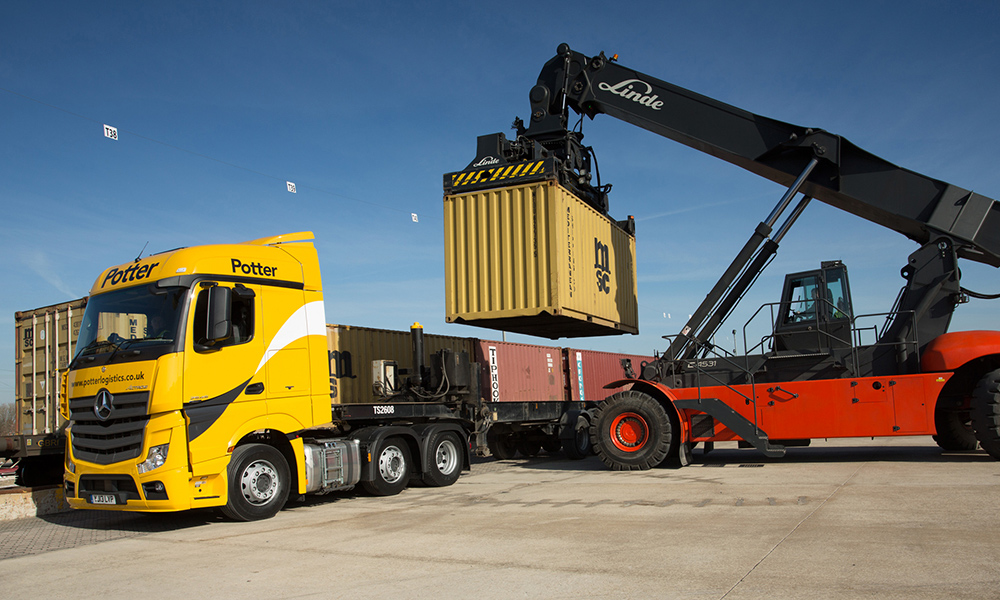
Custom clearance services in Nairobi are essential for legally importing or exporting goods through Kenya’s key entry points such as Jomo Kenyatta International Airport (JKIA) [...]
A custom declaration service in Nairobi is the official process of submitting cargo details to the Kenya Revenue Authority (KRA) for import or export clearance. [...]
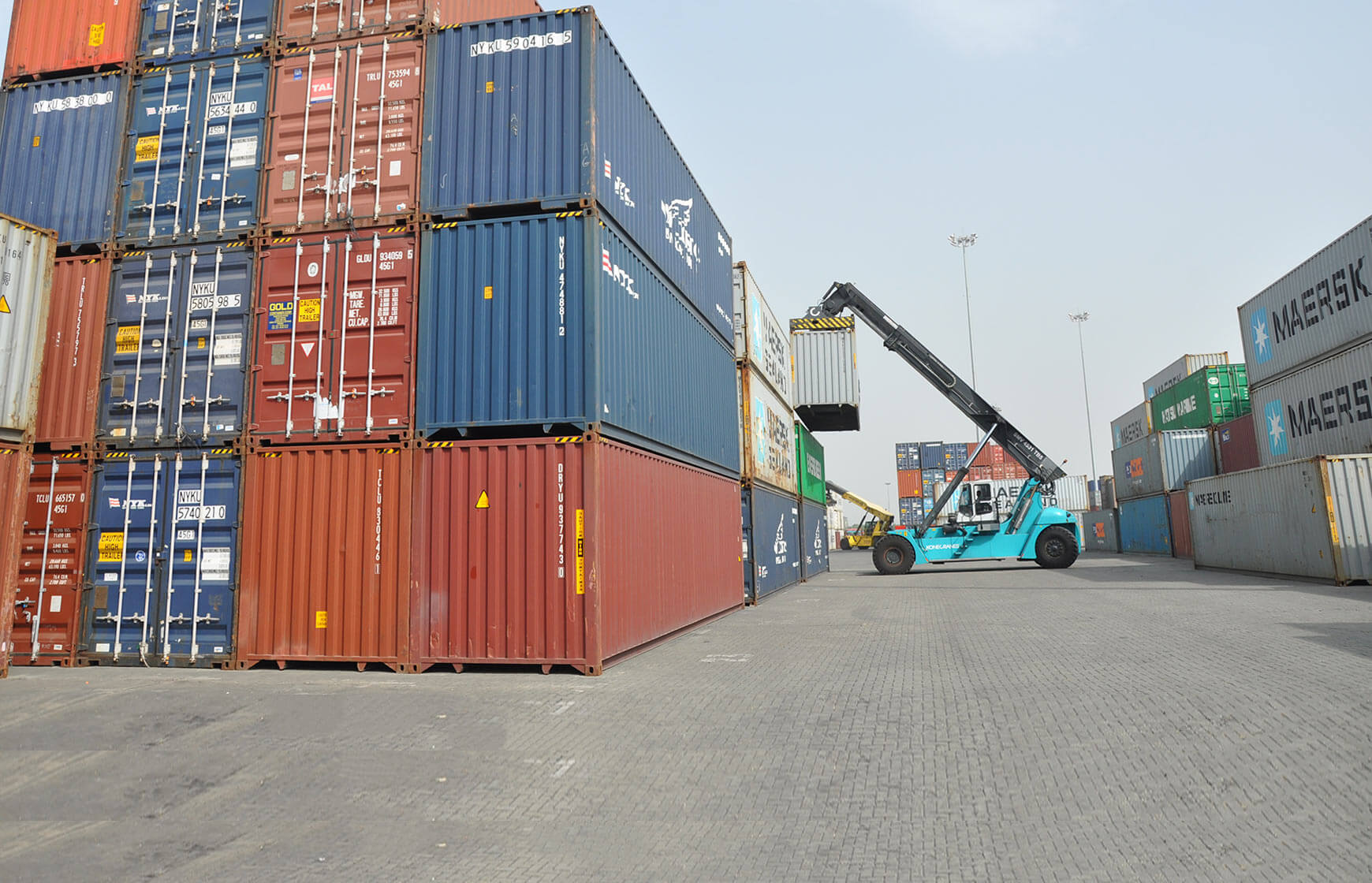
Customs clearance services in Kenya are essential for legally importing or exporting goods through entry points such as Mombasa Port and Jomo Kenyatta International Airport [...]