
Understanding Pharmaceutical Clearance Complexity in Kenya
Pharmaceutical imports into Kenya require navigation through multiple regulatory bodies simultaneously. Unlike general cargo clearing and forwarding, pharma shipments face heightened scrutiny because they directly impact public health. The complexity isn’t insurmountable—it’s manageable—but it demands precision in documentation and compliance.
The primary challenge isn’t the process itself; it’s incomplete preparation. Most delays occur when importers lack understanding of what KRA, KEBS, and the Pharmacy and Poisons Board (PPB) require before a shipment even arrives at Mombasa Port or JKIA cargo terminals.
Key complexity factors:
- Multiple regulatory approvals required before shipment arrival
- Strict batch number and expiry date verification
- Counterfeit drug detection protocols that can trigger 5–30 day holds
- Temperature-sensitive storage requirements during clearance
- GMP (Good Manufacturing Practice) certificate authentication
Delta Cargo Connections Insight: In our 15+ years handling pharmaceutical imports for Nairobi distributors and regional hospitals, we’ve found that 80% of clearance delays stem from missing Pharmacy Board pre-approval letters—not from KRA’s inspection process itself. Pre-clearance verification eliminates this entirely.
Quick Takeaway: Pharmaceutical clearance is moderately complex but predictable. With a licensed clearing agent handling documentation and regulatory coordination, your shipment moves through Mombasa or JKIA without surprises.
What Are the Key Regulatory Requirements for Pharma Imports in Kenya?
Kenya’s pharmaceutical import framework involves three primary regulators, each with non-negotiable requirements. Missing even one creates cascading delays.
1. Pharmacy and Poisons Board (PPB) Import License
Before your shipment departs the origin country, you must hold a valid PPB import license. This isn’t optional—KRA will not release pharmaceuticals without it. The PPB verifies your company’s legitimacy, storage facilities, and personnel qualifications. Processing takes 2–4 weeks, so apply before purchasing inventory.
2. Kenya Bureau of Standards (KEBS) Certification
KEBS ensures all pharmaceuticals meet Kenyan safety standards. Products must be pre-registered with KEBS, and your commercial invoice must reference the KEBS registration number. For new products, KEBS may require laboratory testing at Mombasa Port, adding 3–7 days to clearance time. Counterfeit or substandard drugs discovered during KEBS inspection are seized and destroyed; importers face fines up to KES 500,000 and license revocation.
3. KRA Customs Documentation
Your commercial invoice must include:
- Product names and pharmaceutical classification codes
- Batch numbers and manufacturing dates
- Expiry dates (minimum 18 months remaining validity)
- Manufacturer’s GMP certificate and country of origin
- Unit prices and total declared value
- Importer’s KRA tax identification number (PIN)
Missing batch numbers or expiry dates trigger automatic customs holds. KRA cross-references batch numbers with manufacturer databases to detect counterfeits.
Delta Cargo Connections Insight: We maintain direct relationships with KRA pharmaceutical desk officers and KEBS laboratory teams at both Mombasa Port and JKIA. This allows us to pre-verify documentation and coordinate expedited testing for time-sensitive shipments, cutting clearance time by 3–5 days compared to DIY clearing.
Quick Takeaway: Three regulators, three approval types. PPB license, KEBS certification, and complete KRA documentation are non-negotiable. Missing any one trigger holds lasting 5–30 days.
How Long Does Pharmaceutical Clearance Take at Mombasa Port vs. JKIA?
Processing time depends on port of entry, shipment size, and documentation completeness. Sea freight through Mombasa Port typically takes longer than air freight through JKIA, but both are predictable with proper preparation.
Mombasa Port Clearance Timeline
- Days 1–2: Vessel arrival, cargo documentation submission to KRA
- Days 2–4: KRA preliminary inspection, KEBS notification
- Days 4–8: KEBS laboratory testing (if required), batch verification
- Days 8–14: Final KRA clearance, customs duty payment, warehouse release
- Average total: 7–14 business days
JKIA (Nairobi) Clearance Timeline
- Days 1–2: Aircraft arrival, airway bill processing
- Days 2–3: KRA desk inspection of documentation
- Days 3–5: KEBS review (typically document-based for air freight)
- Days 5–10: Final clearance, duty payment, cargo release to warehouse
- Average total: 5–10 business days
Air freight at JKIA moves faster because smaller cargo volumes allow dedicated pharmaceutical handling zones. However, air freight costs 3–5 times more than sea freight, making it viable only for high-value or time-sensitive medications.
What causes delays?
- Incomplete invoices (missing batch numbers or expiry dates)
- Missing Pharmacy Board pre-approval letters
- Undeclared or misclassified products
- Suspected counterfeit drugs requiring extended investigation
- Customs duty disputes or payment delays
Quick Takeaway: Mombasa Port averages 7–14 days; JKIA averages 5–10 days. Complete documentation eliminates delays. Incomplete paperwork can extend clearance to 30+ days and trigger storage fees.
What Documentation Is Required to Clear Pharmaceuticals Through KRA?
Documentation is the foundation of pharmaceutical clearance. Missing or incomplete paperwork is the #1 cause of customs holds in Kenya. Here’s the complete checklist:
Essential KRA Documentation
- Bill of Lading (sea freight) or Air Waybill (air freight): Original document with pharmaceutical-specific endorsements from shipping line or airline
- Commercial Invoice: Itemized list with product names, quantities, unit prices, total value, manufacturer name, country of origin, batch numbers, and manufacturing/expiry dates
- Pharmacy and Poisons Board Import License: Valid, current license issued to your company
- KEBS Certification: Product registration number and pre-approval letter from KEBS
- Manufacturer’s GMP Certificate: Proof that the manufacturer operates under Good Manufacturing Practice standards (WHO-certified preferred)
- Packing List: Detailed breakdown of cartons, pallets, and contents with batch numbers
- Insurance Certificate: Proof of cargo insurance during transit
- Importer’s KRA PIN Certificate: Valid tax identification number
Common Documentation Mistakes
Mistake 1: Vague product descriptions – “Antibiotics” is insufficient. KRA requires specific names: “Amoxicillin 500mg capsules, batch #ABC123, expiry 12/2026.”
Mistake 2: Missing batch numbers on invoices – KRA cross-references batch numbers with manufacturer databases. Missing numbers trigger automatic holds.
Mistake 3: No Pharmacy Board pre-approval – Submitting the import license alone isn’t enough. You need a specific pre-approval letter for each shipment.
Mistake 4: Incomplete GMP certificates – Photocopies or undated certificates are rejected. Original, notarized certificates are required.
Quick Takeaway: Eight document types, zero room for error. One missing item delays clearance 5–30 days. Delta Cargo Connections verifies every document before your shipment arrives, eliminating holds.
Can Pharmaceutical Shipments Be Held in Customs? What Are the Risks?
Yes. Pharmaceutical shipments are held regularly—and the consequences are severe. Understanding hold triggers and their costs is critical for import planning.
Common Hold Triggers
- Incomplete documentation (40% of holds): Missing batch numbers, expiry dates, or Pharmacy Board letters
- KEBS non-compliance (25% of holds): Product not pre-registered or registration number missing from invoice
- Suspected counterfeits (20% of holds): Batch number mismatches, packaging irregularities, or manufacturer authentication failures
- Expired products (10% of holds): Less than 18 months remaining shelf life
- Customs duty disputes (5% of holds): Declared value challenges or tariff classification disagreements
For perishable pharmaceuticals (vaccines, biologics), a 10-day hold often means total product loss. Temperature excursions during extended storage render medications unsafe for distribution, resulting in complete inventory write-offs.
Legal and Regulatory Penalties
If KRA confirms counterfeit or substandard pharmaceuticals:
- The entire shipment is destroyed at the importer’s cost
- Fines up to KES 500,000 or 3–5x retail value, plus up to 15 years imprisonment for counterfeits.
- Pharmacy and Poisons Board license suspension or revocation
- Potential criminal prosecution for importing fake medicines
- Reputational damage affecting future business with distributors and hospitals
Delta Cargo Connections Insight: We’ve prevented over 200 pharmaceutical shipments from being held through pre-clearance verification. By confirming batch numbers, expiry dates, and KEBS registration before arrival, we’ve saved our clients an estimated KES 50+ million in storage fees, product losses, and license penalties. One hold can cost more than a year of professional clearing agent fees.
How Does Delta Cargo Connections Simplify Pharmaceutical Clearance in Kenya?
Delta Cargo Connections is a licensed clearing agent specializing in pharmaceutical imports for Nairobi distributors, regional hospitals, and importers across Kenya. We transform a complex, multi-regulatory process into a predictable, transparent service.
Our Pharmaceutical Clearance Process
- Pre-Clearance Verification (Before Shipment Arrives): We review all documentation—invoices, batch numbers, expiry dates, GMP certificates, and Pharmacy Board letters—and identify gaps before your cargo departs the origin country. This eliminates 90% of customs holds.
- KRA Liaison & Documentation: Our licensed clearing agents handle all KRA submissions, tariff classifications, and customs duty calculations. We manage the pharmaceutical desk at both Mombasa Port and JKIA.
- KEBS Coordination: We liaise directly with KEBS laboratory teams to expedite product testing and certification verification. For pre-registered products, we secure expedited clearance.
- Pharmacy Board Coordination: We maintain your PPB import license status and secure pre-approval letters for each shipment, ensuring regulatory compliance.
- Real-Time Tracking: You receive daily updates on clearance status, customs inspections, and estimated release dates via email and SMS.
- Warehouse & Last-Mile Delivery: After KRA clearance, we manage storage at Mombasa Port or JKIA and arrange road freight clearing and forwarding to your warehouse in Nairobi or any Kenyan destination.
Pharmaceutical Logistics Beyond Clearance
Clearing is only the first step. Pharmaceutical logistics requires temperature control, secure storage, and compliant handling throughout the supply chain. Delta Cargo Connections offers specialized pharmaceutical logistics services including cold chain management, secure warehouse storage, and compliant last-mile delivery to hospitals, clinics, and distribution centers across Kenya.
We also handle perishables logistics and horticulture exports for clients requiring specialized temperature and humidity control, ensuring your pharmaceuticals maintain efficacy from port to patient.
Frequently Asked Questions
How much does pharmaceutical clearance cost in Kenya?
Pharmaceutical clearance costs depend on shipment size and complexity. Delta Cargo Connections provides fixed-rate clearing packages to eliminate surprises.
What happens if my pharmaceutical shipment is held by customs?
Holds typically last 5–30 days, and some cost per pallet daily for storage. Causes include incomplete documentation, missing batch numbers, or suspected counterfeits. If counterfeits are confirmed, the entire shipment is destroyed and you face fines up to KES 500,000 plus license revocation. Delta Cargo Connections prevents holds through pre-clearance verification.
Do I need a Pharmacy and Poisons Board license to import pharmaceuticals into Kenya?
Yes. A valid Pharmacy and Poisons Board (PPB) import license is mandatory. KRA will not release pharmaceuticals without it. Additionally, each shipment requires a specific pre-approval letter from the PPB. Processing takes 2–4 weeks, so apply before purchasing inventory. Delta Cargo Connections assists with PPB coordination.
Is air freight or sea freight better for pharmaceutical imports to Kenya?
Sea freight through Mombasa Port is cost-effective but takes 7–14 days for clearance. Air freight through JKIA is faster (5–10 days) but costs 3–5 times more. Choose sea freight for routine orders; choose air freight for time-sensitive or temperature-sensitive medications. Delta Cargo Connections manages both sea and air freight clearing efficiently.
Ready to Clear Pharmaceuticals Without Delays?
Pharmaceutical clearance in Kenya doesn’t have to be stressful. Delta Cargo Connections is a licensed clearing agent with 15+ years of experience clearing pharmaceuticals through Mombasa Port, JKIA, and every regulatory body in Kenya. We handle everything from documentation verification to last-mile delivery to your Nairobi warehouse or any Kenyan destination.
Contact Delta Cargo Connections Today
- Phone: +254 722718358
- Email: info@deltacargoconnections.com
- Services: Clearing & Forwarding | Import/Export | Sea Freight | Air Freight | Road Freight | Pharmaceutical Logistics | Perishables Logistics | Horticulture Exports
Get a free clearance quote for your pharmaceutical shipment. No obligation. No surprises.
experienced Clearing and Forwarding Agents
We’re here to help
Get in touch with us today for expert clearing, forwarding, and comprehensive logistics solutions. We ensure smooth, hassle-free cargo movement with efficiency and professionalism. Let us handle your logistics needs.

continue reading
Related Posts
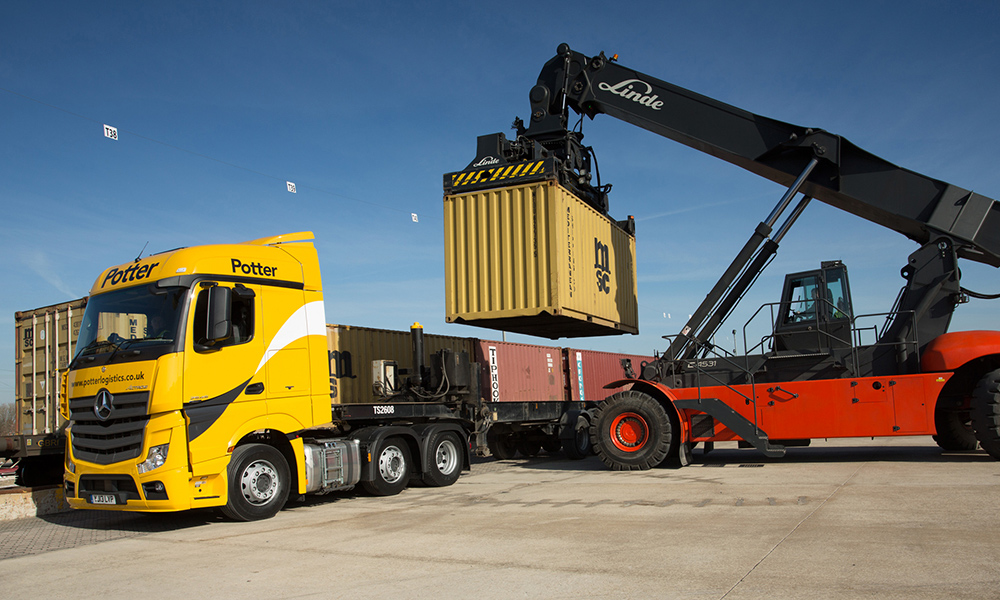
Custom clearance services in Nairobi are essential for legally importing or exporting goods through Kenya’s key entry points such as Jomo Kenyatta International Airport (JKIA) [...]
A custom declaration service in Nairobi is the official process of submitting cargo details to the Kenya Revenue Authority (KRA) for import or export clearance. [...]
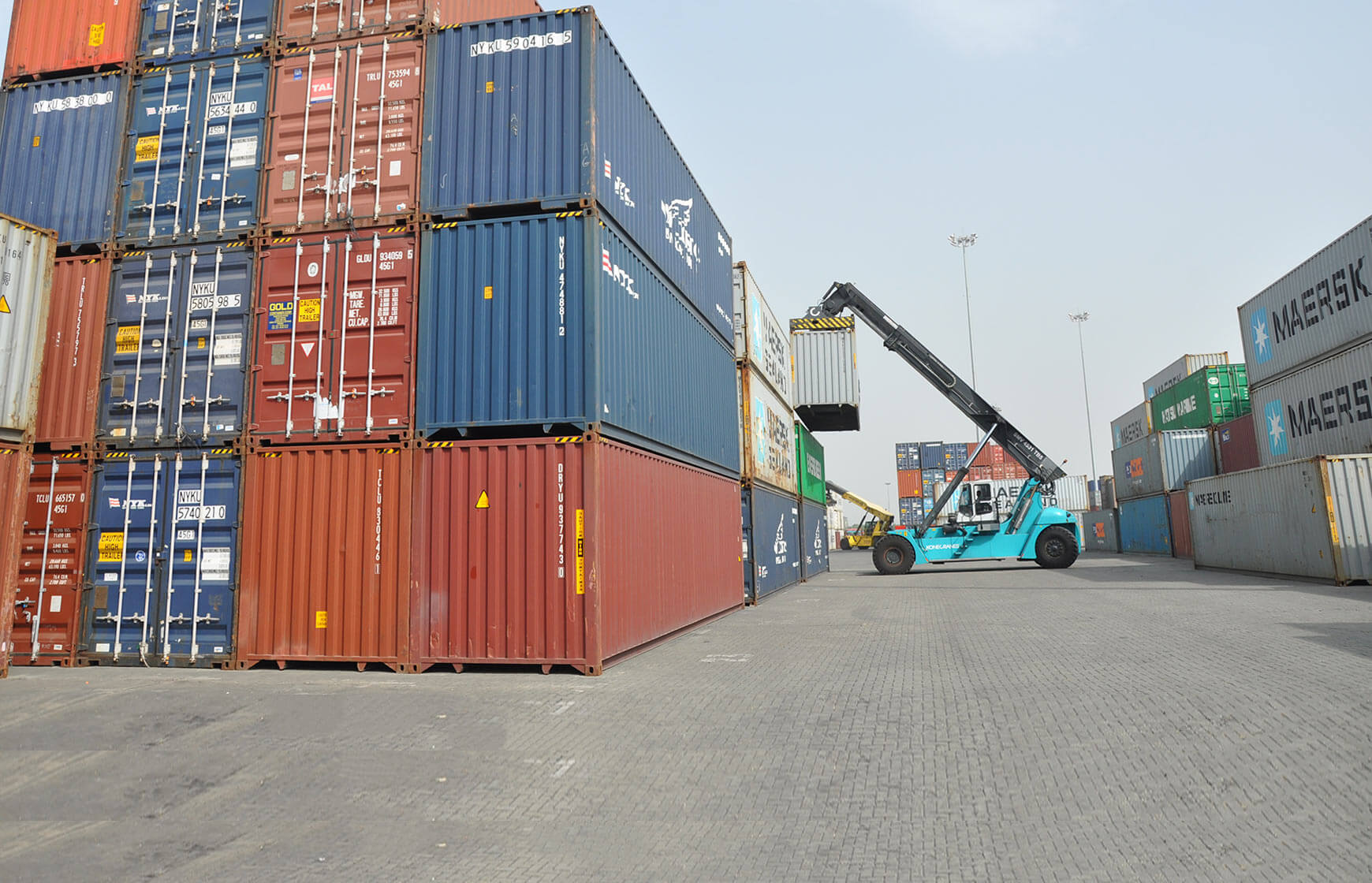
Customs clearance services in Kenya are essential for legally importing or exporting goods through entry points such as Mombasa Port and Jomo Kenyatta International Airport [...]