
Importing a car from Japan to Kenya has become one of the most reliable ways for Kenyans to own quality, affordable, and well-maintained vehicles. Japan remains the top source market due to strict vehicle inspection standards, transparent auction systems, and competitive pricing.
However, for beginners, the process can feel confusing — from choosing the right car to clearing it at the Port of Mombasa. This guide breaks down the entire car import process from Japan to Kenya, step by step, based on 2026 regulations, so you can avoid costly mistakes and delays.
Why Most Kenyans Import Cars from Japan
Japan dominates Kenya’s used car import market for several reasons. Vehicles from Japan are generally well-maintained, have low mileage, and come with verifiable service histories. Japanese exporters also offer a wide variety of models suitable for Kenyan roads, including fuel-efficient hybrids, SUVs, and compact cars.
Most importantly, Japan’s inspection systems reduce the risk of buying accident-damaged or mechanically compromised vehicles, making it safer for first-time importers.
Step 1: Confirm the Car Is Eligible for Import into Kenya
Before purchasing any vehicle, confirm that it meets Kenya Bureau of Standards (KEBS) and Kenya Revenue Authority (KRA) requirements.
As of 2026:
-
The vehicle must not be more than 8 years old from the year of first registration.
-
Right-hand drive only (left-hand drive vehicles are prohibited except for special cases).
-
The vehicle must pass JEVIC, QISJ, EAA, or JAAI inspection in Japan before shipment.
-
The car must comply with Kenyan road safety and environmental standards.
If the vehicle fails inspection, it will not be allowed into Kenya, even if already shipped.
Step 2: Choose a Trusted Japanese Exporter or Auction Platform
There are two main ways to source a car from Japan:
-
Buying directly from Japanese car exporters
-
Purchasing through Japanese vehicle auctions
Beginners are advised to work with reputable exporters who provide:
-
Auction sheets
-
Detailed inspection reports
-
Clear CIF pricing (Cost, Insurance, Freight)
-
Shipment tracking details
Avoid deals that seem unusually cheap. Many first-time importers lose money by paying for cars that never get shipped or arrive with undisclosed defects.
Step 3: Understand the Total Cost of Importing a Car from Japan to Kenya
When calculating the cost of car imports from Japan to Kenya, do not focus on the vehicle price alone. Your total cost includes:
-
Purchase price of the vehicle
-
Shipping and marine insurance
-
Import Duty
-
Excise Duty
-
VAT
-
Railway Development Levy (RDL)
-
Port handling and clearing charges
KRA uses the Current Retail Selling Price (CRSP) list to calculate taxes, not your purchase price. This is where many beginners are caught off guard.
Working with an experienced clearing agent helps you estimate these costs accurately before shipment.
Step 4: Shipping the Vehicle to Kenya
Most cars are shipped to Kenya using:
-
Roll-On Roll-Off (RoRo) vessels
-
Container shipping (less common for single units)
Shipping from Japan to Mombasa typically takes 25–40 days by sea, depending on the port of departure and shipping line.
Once the vehicle is loaded, you will receive:
-
Export Certificate
-
Inspection Certificate
-
Packing details
These documents are critical for customs clearance.
Step 5: Customs Clearance at the Port of Mombasa
This is the most technical part of the process and where most delays occur.
When your car arrives in Mombasa:
-
KRA assesses taxes using the CRSP system
-
KEBS verifies inspection compliance
-
Port authorities release the vehicle after payment
Without proper documentation or correct tax declarations, your vehicle can be delayed for weeks, incurring storage charges.
This is where professional clearing agents like Delta Cargo Connections play a critical role. An experienced clearing partner ensures:
-
Accurate tax computation
-
Faster clearance timelines
-
No penalties or overpayments
-
Smooth port release
Step 6: Vehicle Registration and Number Plates
After customs clearance:
-
The vehicle is registered with NTSA
-
Kenyan logbook is processed
-
Number plates are issued
Only after this step can the vehicle legally be driven on Kenyan roads.
Delays in registration often happen when customs records don’t match NTSA documentation — another reason expert handling matters.
Common Mistakes Beginners Make When Importing Cars from Japan
Many first-time importers make avoidable errors such as:
-
Buying vehicles older than 8 years
-
Underestimating import taxes
-
Using unlicensed clearing agents
-
Missing inspection requirements
-
Paying exporters without proper contracts
These mistakes often lead to financial losses, delayed clearance, or even vehicle seizure.
Should You Import a Car Yourself or Use a Clearing Agent?
While it is possible to handle the process independently, beginners are strongly advised to work with professionals.
A licensed clearing agent helps you:
-
Verify documents before shipment
-
Estimate total landing costs accurately
-
Avoid unnecessary penalties
-
Clear the car faster and legally
Delta Cargo Connections specializes in clearing and forwarding vehicles imported from Japan, offering end-to-end support from port arrival to final release.
Final Thoughts: Importing a Car from Japan to Kenya Made Simple
For beginners, importing a car from Japan to Kenya doesn’t have to be complicated. With the right information, verified exporters, and a trusted clearing agent, the process becomes predictable and cost-effective.
If you plan to import a car in 2026, preparation is everything. Understanding regulations, budgeting correctly, and working with experts will save you time, money, and stress.
Need Expert Help with Car Imports from Japan to Kenya?
Delta Cargo Connections provides professional customs clearing and vehicle import support at the Port of Mombasa. From document verification to final release, we handle the process so you don’t have to.
Get in touch today and import your car with confidence.
experienced Clearing and Forwarding Agents
We’re here to help
Get in touch with us today for expert clearing, forwarding, and comprehensive logistics solutions. We ensure smooth, hassle-free cargo movement with efficiency and professionalism. Let us handle your logistics needs.

continue reading
Related Posts
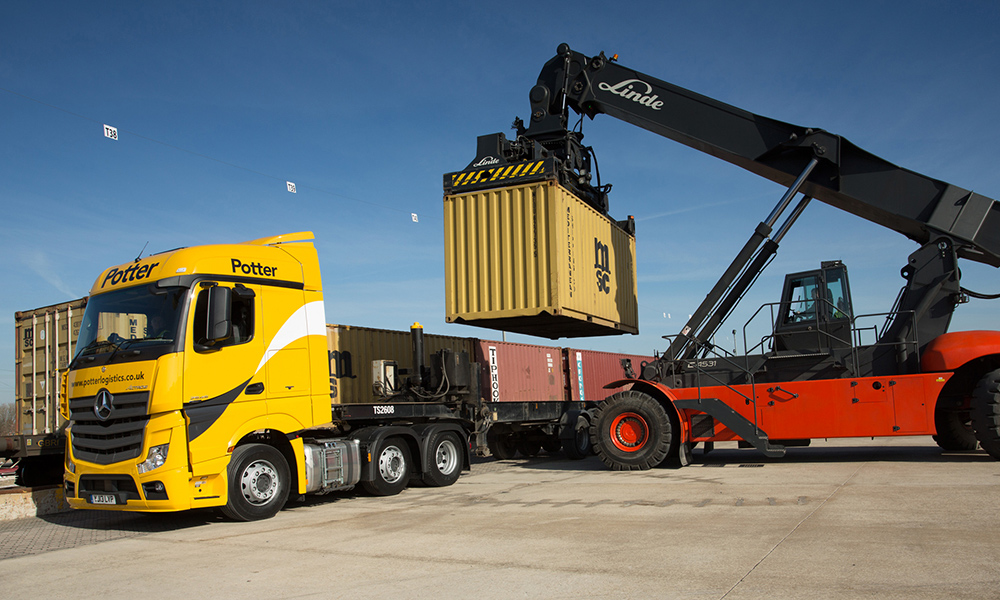
Custom clearance services in Nairobi are essential for legally importing or exporting goods through Kenya’s key entry points such as Jomo Kenyatta International Airport (JKIA) [...]
A custom declaration service in Nairobi is the official process of submitting cargo details to the Kenya Revenue Authority (KRA) for import or export clearance. [...]
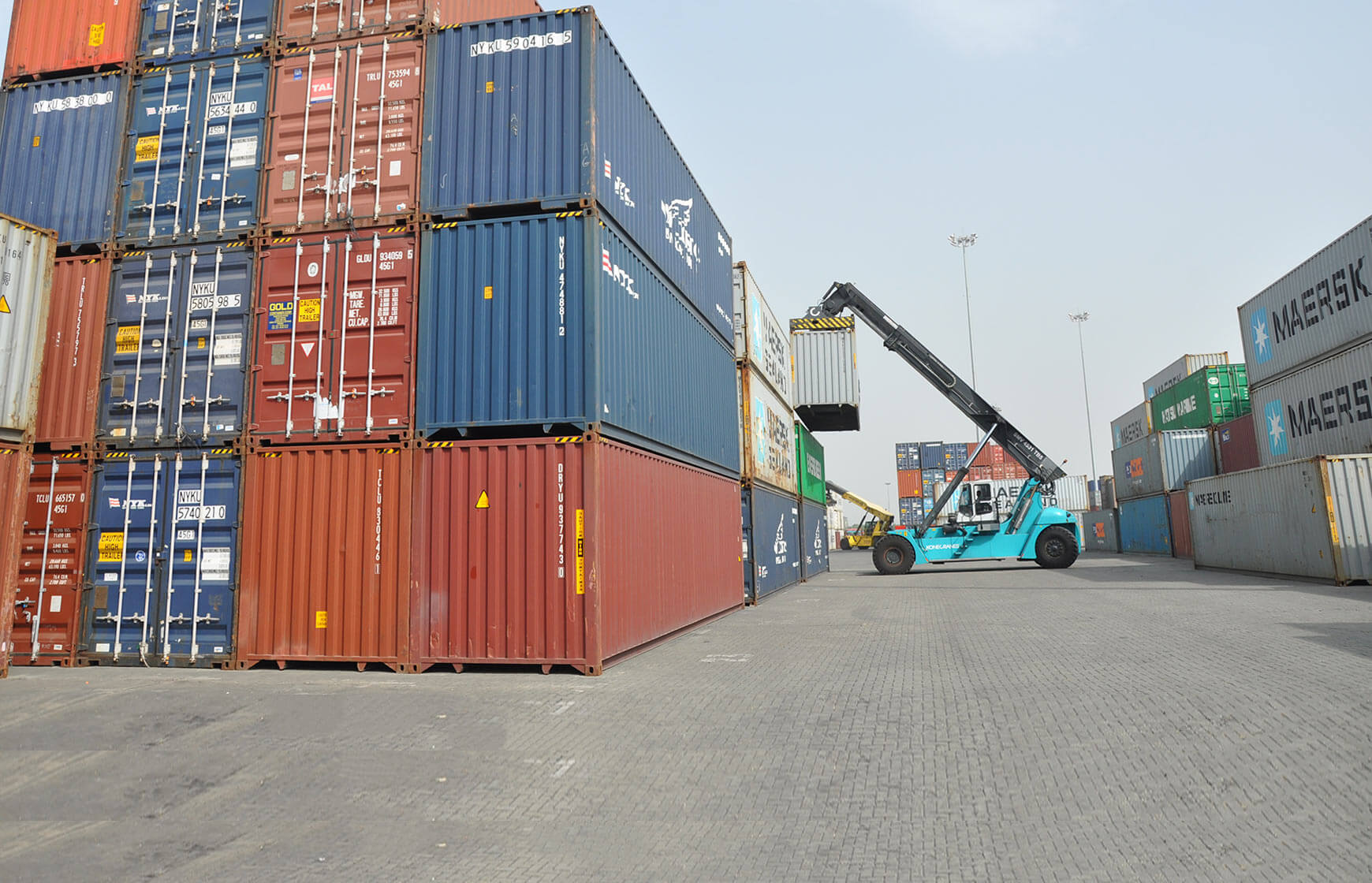
Customs clearance services in Kenya are essential for legally importing or exporting goods through entry points such as Mombasa Port and Jomo Kenyatta International Airport [...]