
Fourth-party logistics (4PL), also known as 4PL logistics, is a supply chain model where a business outsources its entire logistics and supply chain management to a single external provider. Unlike third-party logistics (3PL), which handles specific operational tasks, a 4PL provider oversees the entire supply chain, including strategy, technology, and resource management.
4PL vs 3PL: Key Differences
| Feature | 3PL (Third-Party Logistics) | 4PL (Fourth-Party Logistics) |
|---|---|---|
| Scope | Manages part of the supply chain (e.g., warehousing solution, transportation) | Manages the entire supply chain from strategy to execution |
| Responsibility | Operational | Strategic and operational |
| Technology | May or may not provide technology solutions | Provides advanced supply chain technology and systems integration |
Key takeaway: 3PL executes logistics tasks, while 4PL plans, manages, and optimizes the entire supply chain.
How 4PL Logistics Works
- A 4PL provider acts as the central coordinator between the business and various 3PL providers or other suppliers. Their responsibilities include:
- Single Point of Contact: Instead of managing multiple vendors, the business deals with one 4PL partner who oversees the entire logistics network.
- Strategic Planning & Design: The 4PL partner evaluates, designs, and builds the supply chain, focusing on overall optimization rather than just individual tasks.
- Management of 3PLs: The 4PL coordinates and manages third-party logistics (3PL) providers, carriers, and warehouses on the client’s behalf.
- Technology Integration: 4PLs use advanced technology—including AI, data analytics, and IoT—for real-time tracking, forecasting, and inventory management.
- Operational Oversight: This includes managing freight forwarding, customs compliance, and returns.
Benefits of Using a 4PL Provider
Businesses that partner with 4PL providers enjoy several advantages:
-
End-to-end supply chain visibility – Full insight into logistics operations.
-
Cost optimization – Reduced overhead and improved resource allocation.
-
Scalability – Easily adjust logistics as business needs grow.
-
Technology-driven efficiency – Advanced software and analytics improve decision-making.
-
Focus on core business – Companies can focus on products and services rather than logistics.
Challenges of 4PL Logistics
While 4PL offers many benefits, there are some considerations:
-
Higher costs – Comprehensive services can be more expensive than 3PL.
-
Dependence on a single provider – Risk if the provider underperforms.
-
Complex contracts – Requires careful negotiation and service-level agreements.
Examples of 4PL Providers
Some well-known 4PL providers include:
-
DHL Supply Chain – Offers integrated logistics and supply chain management.
-
XPO Logistics – Provides technology-driven end-to-end solutions.
-
DB Schenker – Global provider of 4PL services for diverse industries.
These companies help businesses streamline operations, reduce costs, and scale efficiently.
When to Use a 4PL Provider
Consider a 4PL provider if your business:
-
Operates complex, multi-country supply chains.
-
Needs a single point of accountability for logistics.
-
Wants to leverage technology and data for supply chain optimization.
-
Is looking to reduce internal logistics overhead and improve efficiency.
4PL vs 5PL: The Next Level
While 4PL manages the supply chain end-to-end, fifth-party logistics (5PL) focuses on managing multiple 4PLs and leveraging e-commerce and digital supply chains for global optimization.
Conclusion
4PL logistics provides businesses with a strategic, comprehensive approach to supply chain management. By outsourcing logistics and strategy to a single provider, companies can reduce complexity, improve efficiency, and focus on growth.
For businesses with complex operations, partnering with a 4PL can be a game-changer in achieving supply chain excellence.
experienced Clearing and Forwarding Agents
We’re here to help
Get in touch with us today for expert clearing, forwarding, and comprehensive logistics solutions. We ensure smooth, hassle-free cargo movement with efficiency and professionalism. Let us handle your logistics needs.

continue reading
Related Posts
Custom clearance services in Nairobi are essential for legally importing or exporting goods through Kenya’s key entry points such as Jomo Kenyatta International Airport (JKIA) [...]
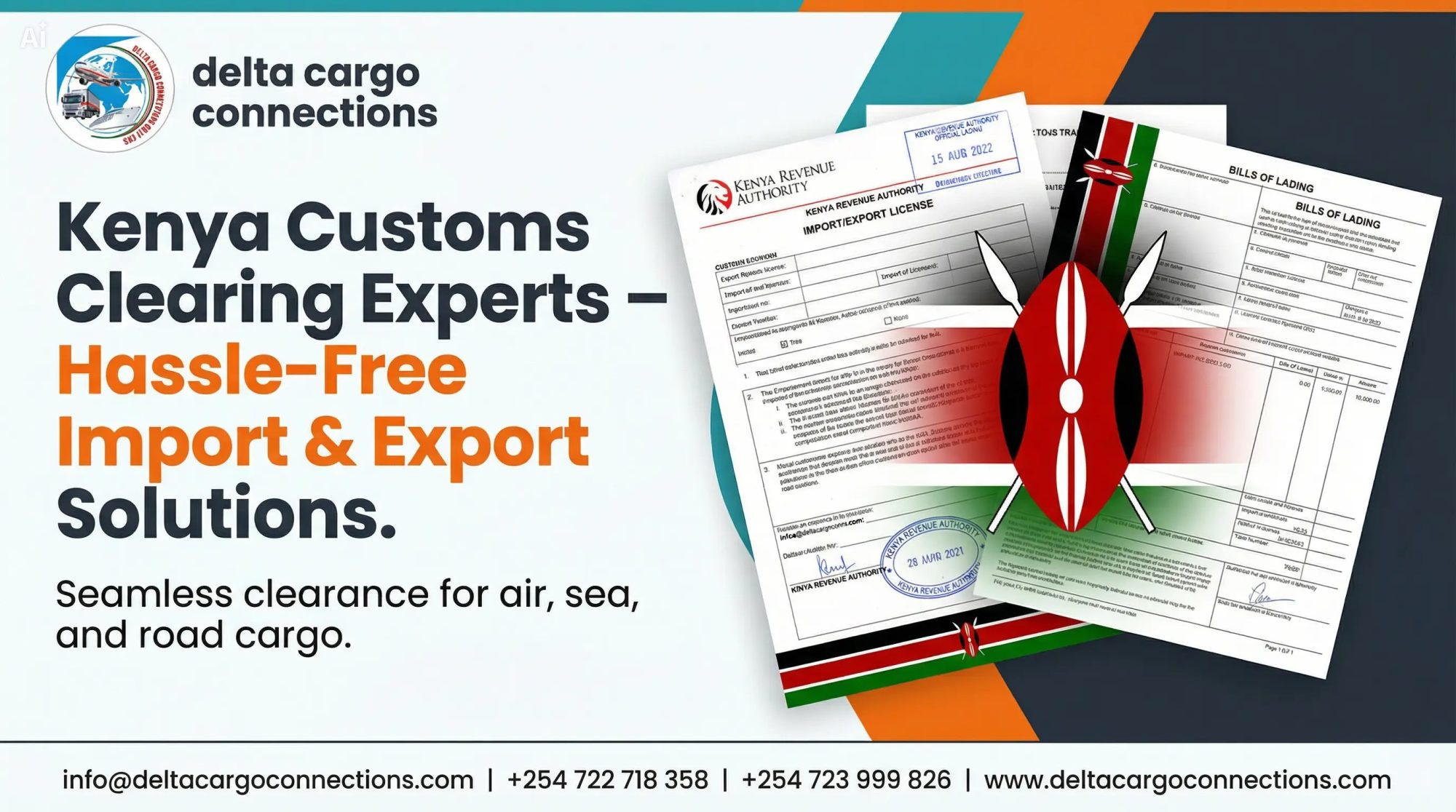
A custom declaration service in Nairobi is the official process of submitting cargo details to the Kenya Revenue Authority (KRA) for import or export clearance. [...]
Customs clearance services in Kenya are essential for legally importing or exporting goods through entry points such as Mombasa Port and Jomo Kenyatta International Airport [...]