
Importing goods from China to Kenya has become easier and more profitable than ever. Whether you’re sourcing products from Guangzhou, Yiwu, or Shenzhen, the key to smooth shipping is understanding the logistics, costs, customs procedures, and best shipping methods.
This guide breaks down everything Kenyan importers need to know—from choosing between air freight and sea freight from China, to navigating customs clearance, shipping costs, and working with a reliable freight forwarder in Kenya.
Step 1: Choose Where to Source Your Goods in China
Most Kenyan importers buy from:
-
Guangzhou – electronics, phones, fashion
-
Yiwu Market – small items, accessories, bulk goods
-
Shenzhen – laptops, tech, gadgets
-
Alibaba, Aliexpress, 1688 – online suppliers
When choosing suppliers, consider:
-
Product quality
-
MOQ (minimum order quantity)
-
Export license
-
Production time
-
Shipping method compatibility
This step influences your total China to Kenya shipping cost and delivery timeline.
Step 2: Choose the Best Shipping Method from China to Kenya
There are two main shipping methods:
1. Air Freight from China to Kenya
Air freight from China to Kenya is the fastest way to transport goods to the JKIA Cargo Terminal in Nairobi.
When to Use Air Freight:
-
Urgent shipments
-
High-value goods
-
Small but expensive items
-
E-commerce restocks
-
Electronics, fashion, cosmetics
Advantages of Air Freight
-
5–9 days transit time
-
Higher security
-
Reliable tracking
-
Faster customs clearance
2. Sea Freight from China to Kenya
Sea shipping arrives at Mombasa Port, making it ideal for bulk or heavy goods.
When to Use Sea Freight
-
Large-volume cargo
-
Heavy machinery
-
Furniture
-
Industrial equipment
-
Bulk restocking
Options Available
-
LCL (Less than Container Load) – for small shipments
-
FCL (Full Container Load) – for full 20ft/40ft containers
Step 3: Calculate Your China to Kenya Shipping Cost
Shipping cost depends on:
-
Cargo weight and volume
-
Type of goods
-
Shipping method (air or sea)
-
Supplier location in China
-
Seasonality (peak periods affect cost)
Air Freight Pricing
Charged per kg or volumetric weight.
Sea Freight Pricing
Charged per CBM (for LCL) or container size (for FCL).
Step 4: Prepare the Required Import Documents
Before shipping, ensure all documents are ready:
-
Commercial Invoice
-
Packing List
-
Bill of Lading / Air Waybill
-
Certificate of Conformity (where required)
-
Import Declaration Form (IDF)
-
Proforma Invoice
-
KEBS requirements depending on product
These documents determine your customs clearance Kenya process and the duties you pay.
Step 5: Understand Kenya Customs Duties & Taxes
Kenyan customs uses the HS code system to classify goods. This determines:
-
Import Duty
-
VAT
-
IDF Fees
-
Railway Development Levy (RDL)
Duties must be paid through the KRA Simba system before goods are released.
Step 6: Customs Clearance at Mombasa or JKIA
Once goods arrive:
Air Freight Clearance at JKIA
-
Faster clearance
-
Suited for small shipments
-
Lower port congestion
Sea Freight Clearance at Mombasa Port
-
Requires more steps
-
Involves shipping lines and container freight stations
-
Best handled by a licensed clearing agent
Step 7: Choose a Reliable Freight Forwarder in Kenya
Working with a trusted freight forwarder ensures smooth shipping from China to Kenya. A good freight company handles:
-
Supplier coordination
-
Consolidation
-
Booking air or sea freight
-
Documentation
-
Duty calculation
-
Customs clearance
-
Warehousing
-
Local delivery
This saves you time, avoids costly mistakes, and prevents demurrage charges.
Step 8: Delivery & Warehousing
After clearance, your goods can be:
-
Delivered directly to your location
-
Stored in a warehouse
-
Consolidated with other cargo
Freight forwarders like Delta Cargo Connections offer safe warehousing and local delivery services to support both large and small importers.
Air Freight vs Sea Freight: Which Should You Choose?
Choose air freight if you need:
-
Fast delivery
-
High-value goods
-
Lightweight cargo
Choose sea freight if you need:
-
Cost-effective shipping
-
Heavy or bulky items
-
Full or partial containers
Most Kenyan businesses use a mix depending on urgency and budget.
Common Mistakes Kenyan Importers Should Avoid
-
Choosing the wrong shipping method
-
Not verifying suppliers in China
-
Failing to prepare proper documents
-
Miscalculating duties and taxes
-
Working with unlicensed clearing agents
-
Not inspecting goods before shipping
-
Underestimating shipping time from China
Avoid these mistakes to ensure profits stay high and delays remain low.
Final Thoughts: Shipping from China to Kenya Made Simple
Shipping goods from China to Kenya doesn’t have to be complicated. With the right planning, the right documentation, and the right freight partner, you can import goods smoothly, affordably, and on time.
At Delta Cargo Connections, we help importers with:
-
Air freight & sea freight clearing from China
-
Customs clearance in Kenya
-
Warehousing
-
Supplier coordination
-
Import consultation
Whether you’re a first-time importer or a growing business, we ensure your goods move safely from China to your warehouse in Kenya.
Frequently Asked Questions (FAQ)
How long does shipping from China to Kenya take?
Shipping time depends on the method:
-
Air freight: 5–9 days
-
Sea freight (LCL): 25–35 days
-
Sea freight (FCL): 28–40 days
Air freight is faster, while sea freight is more cost-effective for bulk cargo.
What is the cheapest way to ship goods from China to Kenya?
The cheapest method is sea freight, especially for large or heavy goods. Using LCL shipping reduces cost if you don’t have enough volume for a full container.
How much does it cost to ship from China to Kenya?
Costs vary based on weight, size, and shipping method.
-
Air freight: Charged per kg
-
Sea freight: Charged per CBM or container size
Other costs include customs duty, VAT, IDF, RDL, and clearance fees.
Do I need an import license to bring goods from China to Kenya?
Most products do not require an import license. However, items like pharmaceuticals, chemicals, and certain electronics may require special permits through KEBS or other authorities.
What documents are required to import goods from China to Kenya?
Key documents include:
-
Commercial Invoice
-
Packing List
-
Bill of Lading or Air Waybill
-
Certificate of Conformity (when required)
-
IDF (Import Declaration Form)
-
HS code classification
These ensure smooth customs clearance through the KRA Simba system.
Should I use air freight or sea freight from China?
Choose air freight for urgent, lightweight, or high-value goods.
Choose sea freight for heavy, bulky, or large-volume cargo.
Many importers use both methods depending on urgency and cost.
What are the customs duties when importing from China to Kenya?
Duties depend on your product’s HS code and include:
-
Import Duty
-
VAT (16%)
-
Railway Development Levy (RDL)
-
IDF Fees
A clearing agent can help calculate exact duties.
How do I avoid delays at Mombasa Port or JKIA?
To avoid delays:
-
Prepare correct documentation
-
Classify your goods with accurate HS codes
-
Use a licensed clearing agent
-
Pay duties on time
-
Avoid undervaluation
Proper documentation is the biggest factor in on-time clearance.
Can a freight forwarder handle the entire shipping process for me?
Yes. A reliable clearing and forwarding agent in Kenya can manage everything:
supplier coordination, consolidation, booking cargo, customs clearance, warehousing, and final delivery.
Is it safe to ship goods from China to Kenya?
Yes, if you use reputable suppliers and licensed freight and clearing partners. Inspections, proper packaging, and insurance help ensure goods arrive safely.
experienced Clearing and Forwarding Agents
We’re here to help
Get in touch with us today for expert clearing, forwarding, and comprehensive logistics solutions. We ensure smooth, hassle-free cargo movement with efficiency and professionalism. Let us handle your logistics needs.

continue reading
Related Posts
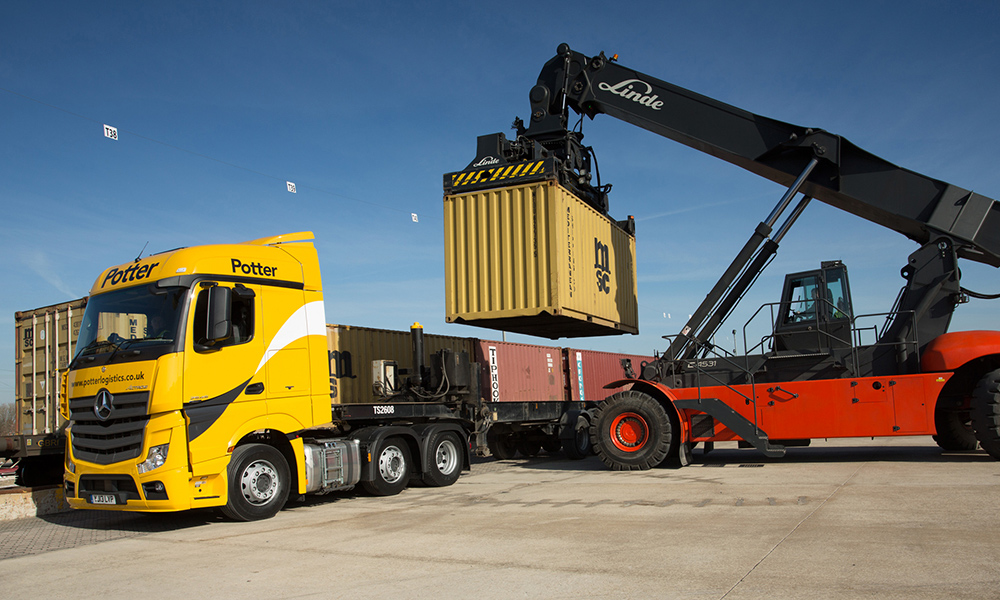
Custom clearance services in Nairobi are essential for legally importing or exporting goods through Kenya’s key entry points such as Jomo Kenyatta International Airport (JKIA) [...]
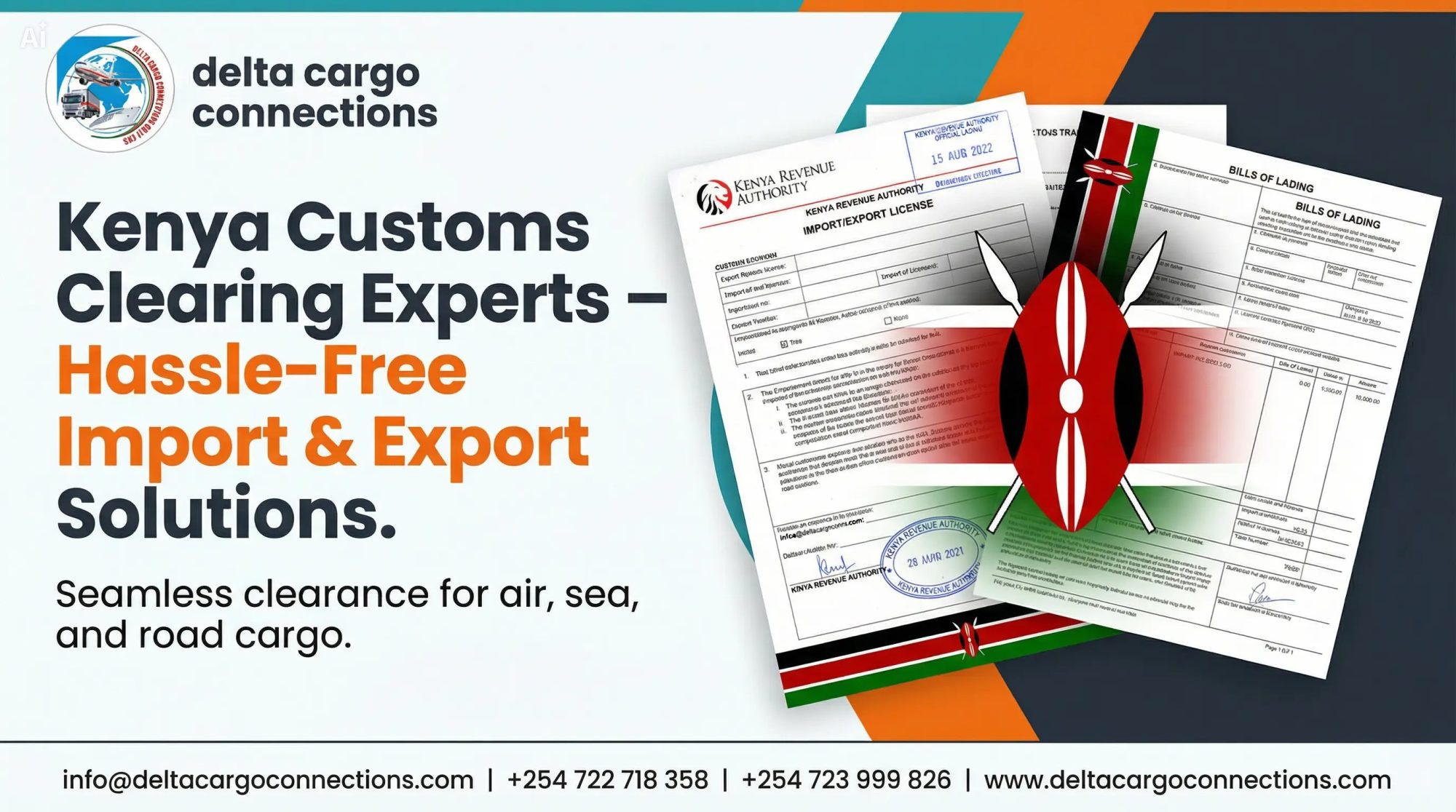
A custom declaration service in Nairobi is the official process of submitting cargo details to the Kenya Revenue Authority (KRA) for import or export clearance. [...]
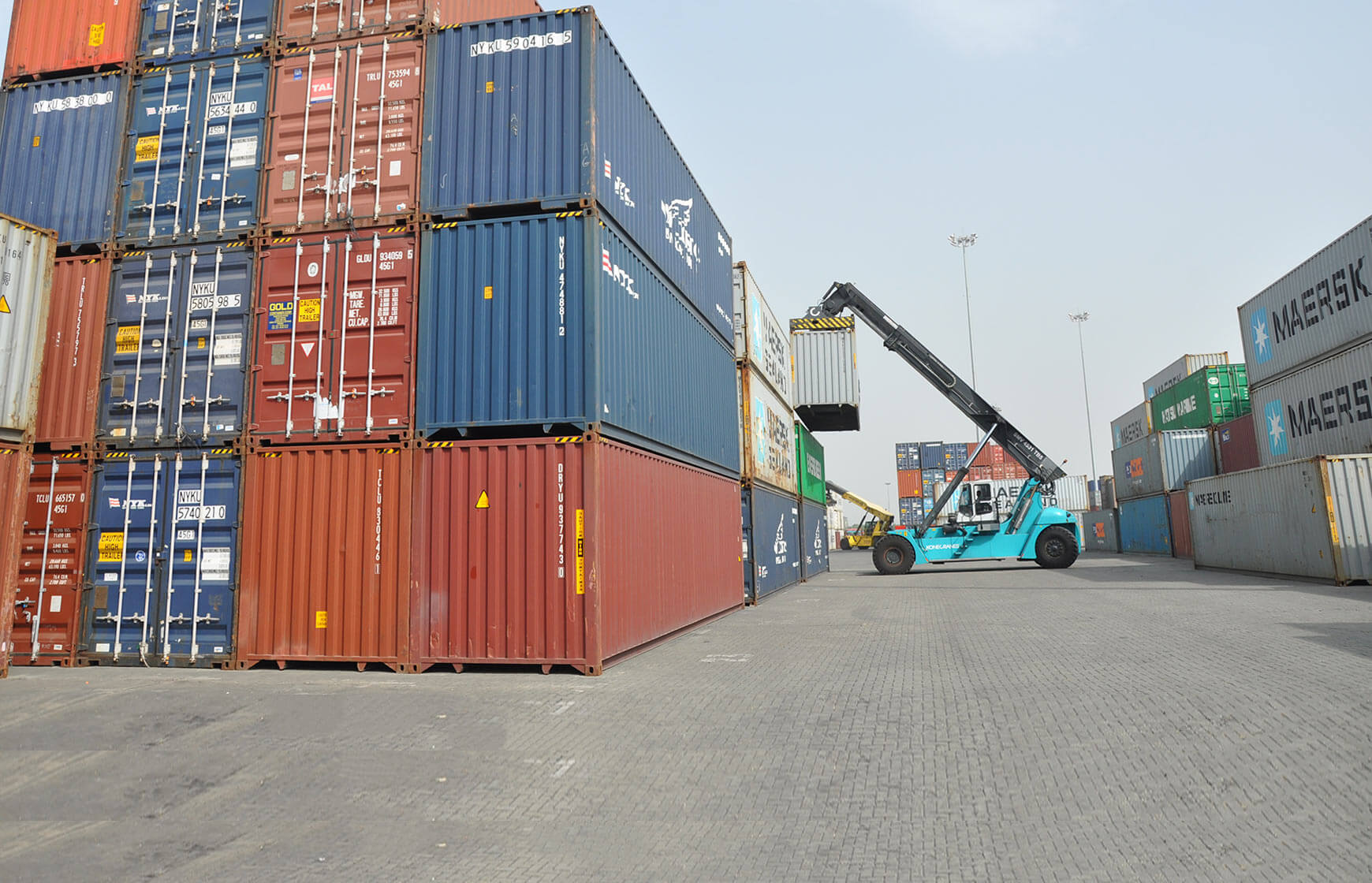
Customs clearance services in Kenya are essential for legally importing or exporting goods through entry points such as Mombasa Port and Jomo Kenyatta International Airport [...]