
Suppose you’re importing or exporting goods through Mombasa Port, JKIA Cargo Terminal, or the Inland Container Depot (ICD) in Nairobi. In that case, you’ve likely come across two important terms: Clearing Agent and Customs Broker.
Many Kenyan businesses use these terms interchangeably—but they are not the same. Understanding the difference can save you time, money, and costly delays during clearance.
At Delta Cargo Connections, we specialise in clearing and forwarding, import/export consultation, and warehousing, helping businesses move goods smoothly across borders. In this guide, we break down the difference between a clearing agent and a customs broker so you know exactly who you need—and when.
Why This Difference Matters in Kenya
Kenya’s customs clearance process involves multiple steps:
-
Documentation preparation
-
KRA Simba system declarations
-
Duty and tax calculations
-
Port, terminal, and shipping fees
-
Inspection and verification
-
Final release
Because the process is complex, choosing the right professional—a clearing agent or a customs broker—is essential to avoid delays, penalties, or demurrage charges.
Let’s break it down.
What Is a Clearing Agent?
A clearing agent is a licensed company or individual responsible for facilitating the movement of goods through customs and ensuring documentation is complete and compliant.
What a Clearing Agent Does:
-
Submits necessary customs documents
-
Coordinates port and shipping line releases
-
Pays duties and taxes on behalf of the importer
-
Organises inspections with KRA or KEBS
-
Tracks shipment status
-
Manages last-mile logistics (when needed)
-
Handles port charges and container deposits
-
Works with transporters for delivery
Clearing agents in Kenya are typically the ones dealing with the physical cargo release process at:
-
Port of Mombasa
-
JKIA Cargo Terminal
-
ICD Nairobi
They act as your frontline partners during clearance.
What Is a Customs Broker?
A customs broker is a professional certified by customs authorities to prepare and submit customs entries on behalf of importers and exporters.
They focus heavily on the documentation, compliance, and tax side of clearance.
What a Customs Broker Does:
-
Prepares and submits customs declarations
-
Advises on HS codes, duties, and taxes
-
Ensures documentation compliance with KRA regulations
-
Manages declaration errors and queries
-
Ensures accurate valuation to avoid penalties
-
Keeps up with customs laws and changes
In Kenya, a customs broker is typically the expert who ensures:
-
No incorrect HS code classifications
-
No under-declaration issues
-
No penalties caused by wrong paperwork
-
Smooth approvals in the KRA Simba System
Clearing Agent vs Customs Broker: Key Differences
Here’s a simple breakdown:
| Aspect | Clearing Agent | Customs Broker |
|---|---|---|
| Main Role | Handles physical release and logistics | Handles customs compliance and documentation |
| Focus | Ports, terminals, shipping lines | KRA regulations, HS codes, taxes |
| Licensing | Licensed by Customs/Port authorities | Licensed and certified in customs laws |
| System Use | Coordinates with port systems | Files entries in KRA Simba system |
| Work Scope | Operational | Regulatory/Compliance |
| Best For | Cargo coordination, movement, delivery | Documentation accuracy, tax compliance |
In short:
A customs broker handles the paperwork.
A clearing agent handles the cargo.
And for smooth clearance in Kenya?
You need both working together.
Do You Need Both a Clearing Agent and a Customs Broker?
In many cases, yes. Most Kenyan clearing and forwarding firms (including Delta Cargo Connections) offer both services under one roof to simplify the process.
If you’re importing:
-
Vehicles
-
Machinery
-
Electronics
-
Containers
-
Commercial goods
-
Bulk cargo
…you benefit hugely from having both experts working together to prevent delays.
At Delta Cargo Connections, our team includes both licensed clearing agents and customs documentation specialists—meaning you get end-to-end support from ship to warehouse.
Why This Matters for Businesses in Kenya
Choosing the wrong professional can cost you:
-
Demurrage fees
-
Penalties for incorrect HS codes
-
KEBS or KRA holds for documentation issues
-
Extended port storage charges
-
Shipment delays of several days or weeks
Most delays happen because businesses assume a clearing agent can automatically handle customs compliance. In reality, only a trained customs broker can manage the technical requirements inside the KRA Simba system.
How Delta Cargo Connections Simplifies Everything
We combine clearing agent expertise, customs brokerage, export/import consultation, and warehousing into one seamless solution.
When you work with us, you get:
- Accurate Documentation
Proper HS codes, correct valuations, duty calculations, and Simba entries.
- Fast Cargo Release
We coordinate with port authorities, shipping lines, and transporters.
- End-to-End Handling
From clearance to warehousing to delivery—we manage it all.
- Cost Savings
Our accuracy helps you avoid penalties, demurrage, and unnecessary charges.
- Real-Time Updates
We keep you informed at every stage of the clearance process.
Whether you are new to importing or an experienced trader, Delta Cargo Connections ensures your goods move smoothly, legally, and efficiently.
Signs You Need a Clearing Agent
-
You need someone to physically follow up at the port or airport
-
You require coordination with shipping lines or ICD Nairobi
-
You need container release or empty return
-
You want end-to-end logistics support
Signs You Need a Customs Broker
-
You struggle with HS codes
-
You’re unsure how much duty you should pay
-
Your declarations keep getting queries
-
You want complete compliance and zero penalties
Final Verdict: Clearing Agent vs Customs Broker — Which Should You Choose?
Both are essential, but they serve different functions:
-
Hire a customs broker to get your paperwork and duty calculations correct
-
Hire a clearing agent to get your cargo physically released and delivered
The best choice?
A partner that offers both services—like Delta Cargo Connections.
With our integrated approach, you avoid delays, save money, and ensure compliance every step of the way.
FAQ: Clearing Agent vs Customs Broker in Kenya
Is a clearing agent the same as a customs broker?
No. A customs broker handles compliance and documentation, while a clearing agent manages physical cargo release and logistics.
Who handles KRA Simba system entries?
The customs broker. They prepare declarations, assign HS codes, and calculate duties.
Can a clearing agent submit customs entries?
Not unless they are also licensed as a customs broker.
Do I need both for importing goods into Kenya?
Yes, for smooth clearance. Most importers use a company that provides both services in one.
What causes most delays at the port?
Incorrect documentation, wrong HS codes, unpaid fees, and lack of follow-up at the port.
How do I choose the best clearing agent in Kenya?
Look for experience, KRA compliance, transparency, real-time updates, and a company that also handles customs brokerage.
Does Delta Cargo Connections offer both services?
Yes. We provide clearing, forwarding, customs documentation, warehousing, and consultation.
experienced Clearing and Forwarding Agents
We’re here to help
Get in touch with us today for expert clearing, forwarding, and comprehensive logistics solutions. We ensure smooth, hassle-free cargo movement with efficiency and professionalism. Let us handle your logistics needs.

continue reading
Related Posts
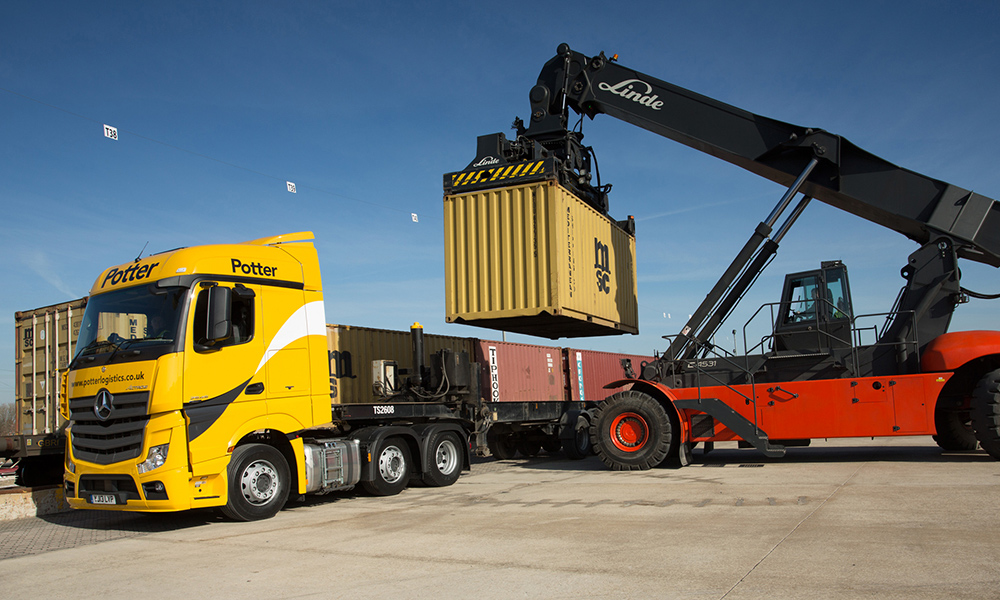
Custom clearance services in Nairobi are essential for legally importing or exporting goods through Kenya’s key entry points such as Jomo Kenyatta International Airport (JKIA) [...]
A custom declaration service in Nairobi is the official process of submitting cargo details to the Kenya Revenue Authority (KRA) for import or export clearance. [...]
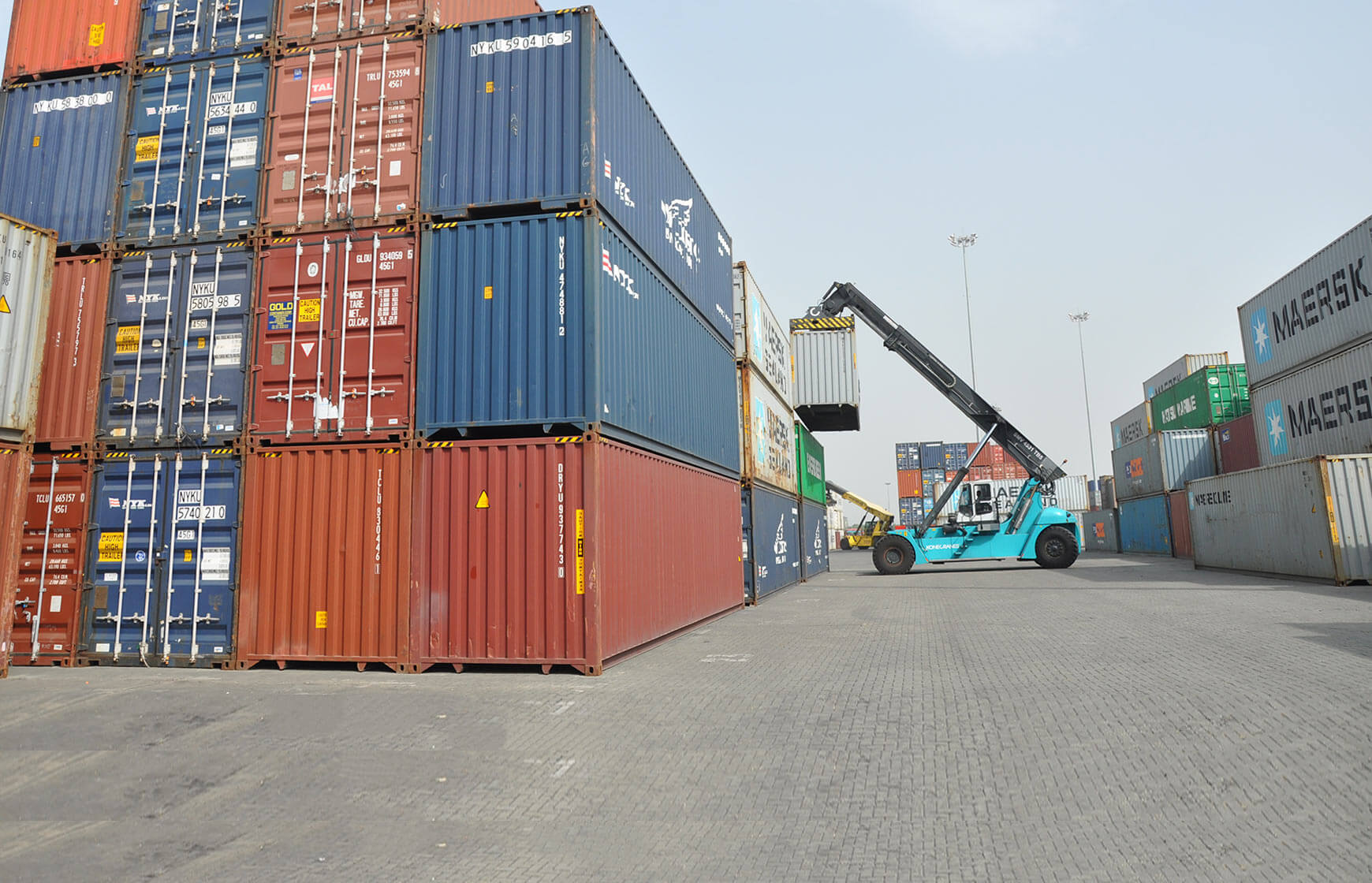
Customs clearance services in Kenya are essential for legally importing or exporting goods through entry points such as Mombasa Port and Jomo Kenyatta International Airport [...]