
If you’re importing or exporting goods through Mombasa Port, ICD Nairobi, or the JKIA Cargo Terminal, one of the most important partners you need is a licensed clearing agent.
Customs procedures in Kenya involve strict regulations, inspections, paperwork, duties, and compliance checks—and a single mistake can delay your cargo for days or even weeks.
So what exactly does a clearing agent do?
Why are they essential in the Kenyan import/export system?
And how do they ensure your goods move smoothly through Mombasa or Nairobi?
Here’s the complete breakdown, tailored specifically to Kenya’s logistics and customs ecosystem.
What Is a Clearing Agent in Kenya?
A clearing agent—also known as a customs clearing agent or customs broker—is a licensed professional accredited by:
-
Kenya Revenue Authority (KRA)
-
Kenya Ports Authority (KPA)
-
Kenya TradeNet / Single Window System
-
Kenya Shippers Council (KSC)
-
ICMS (Integrated Customs Management System)
Their primary role is to handle customs documentation, declarations, duty payments, inspections, and cargo release on your behalf.
In simple terms:
They navigate the Kenyan customs system so you don’t have to.
Where Clearing Agents Operate in Kenya
Clearing agents work across all major entry points, including:
Mombasa Port (The Largest Entry Point)
Used for containers, vehicles, machinery, electronics, bulk cargo, and general imports .
ICD Nairobi (Inland Container Depot)
Ideal for cargo moved via SGR from Mombasa.
JKIA Cargo Terminal, Nairobi
JKIA cargo clearing is used for high-value, urgent, or low-volume shipments.
Why You Need a Clearing Agent in Kenya
Kenyan customs procedures involve:
-
KRA ICMS entries
-
KEBS & PVOC compliance
-
KEPHIS, Port Health, and NEMA permits
-
Duty and tax calculations
-
Scanning and physical inspections
-
Port handling charges
Attempting this alone is risky and time-consuming.
A clearing agent like Delta Cargo Connections ensures:
-
No delays
-
No penalties
-
No compliance issues
-
Fast cargo release
What Clearing Agents Actually Do (Kenya-Specific Breakdown)
Below is the complete workflow when clearing goods through Mombasa Port, ICD Nairobi, or JKIA.
1. Document Verification & Preparation
Your agent checks and prepares all required Kenyan clearance documents:
-
Bill of Lading / Airway Bill
-
Proforma & Commercial Invoice
-
Packing List
-
Certificate of Conformity (PVOC)
-
KRA PIN & Customs entries
-
KEBS / KEPHIS permits (where required)
-
Marine insurance
They ensure zero discrepancies—because even small errors trigger delays in Kenya’s customs system.
2. Lodging Customs Entry via ICMS
The clearing agent submits your customs entry electronically through KRA’s ICMS portal, ensuring:
-
Correct HS code classification
-
Accurate valuation
-
Duty and tax compliance
-
System validation approval
This is the most sensitive step in Kenya’s clearance process.
3. Duty, Tax & Levy Calculation
Cargo entering Kenya attracts charges like:
-
Import Duty
-
VAT
-
Import Declaration Fee (IDF)
-
Excise Duty (when applicable)
Your clearing agent in Kenya, such as Delta Cargo Connections, calculates everything upfront, so you avoid surprises.
4. Coordinating Inspections (Mombasa & Nairobi and all entry points)
At Mombasa Port
-
Physical inspection
-
Scanner inspection
-
Verification by customs
-
KEBS/Port Health checks (where needed)
At JKIA Cargo Terminal
-
Cargo x-ray
-
Airline cargo release protocol
-
KEBS/Port Health for food, cosmetics, plants, etc.
At ICD Nairobi
-
Scanner clearance
-
Customs verification
-
SGR documentation checks
Your custom broker, whether in Mombasa, ensures inspections happen fast and efficiently.
5. Payment of Duties, Port Charges & Compliance Fees
Your clearing agent guides or facilitates payments for:
-
KRA duties
-
KPA port fees
-
Scanning fees
-
SGR charges
-
Storage/demurrage fees
-
KEBS/KEPHIS/NEMA permits
Once all payments are done, clearance proceeds immediately.
6. Follow-Up & Issue Resolution
If KRA raises:
-
Queries
-
Revaluation
-
Permit requests
-
HS code disputes
-
Document inconsistencies
Your clearing agent handles them.
Their experience in dealing with Kenyan customs officers is crucial for speed and compliance.
7. Cargo Release & Final Handover
After clearance:
-
At Mombasa Port → they collect the release order, handle port procedures, and arrange truck loading.
-
At ICD Nairobi → they coordinate collection after SGR cargo transfer.
-
At JKIA → they arrange cargo release from the airline warehouse.
Finally, they deliver the shipment or coordinate with your transporter.
Additional Services Clearing Agents Provide in Kenya
- Freight forwarding
- Logistics planning (Mombasa → Nairobi → Upcountry)
- Supplier verification
- import and export compliance advisory
- Cargo consolidation
- Door-to-door delivery
Benefits of Using a Custom Broker in Kenya
- Faster cargo clearance
- Avoid penalties & overcharges
- Smooth compliance with KRA
- Better coordination at Mombasa & Nairobi
- Saves time, money, and stress
Choosing the Right Clearing Agent in Kenya
Before hiring a clearing and forwarding agent, ensure they are:
-
Licensed by KRA/Customs
-
Experienced with your cargo type
-
Knowledgeable about KPA, SGR, and JKIA processes
-
Transparent with fees
-
Responsive and accountable
A reliable agent saves you weeks.
A poor agent costs you money.
FAQs
What does a clearing agent do in Kenya?
A clearing agent in Kenya handles customs documentation, duty assessment, inspections, and cargo release at entry points such as Mombasa Port, ICD Nairobi, and JKIA. They ensure your goods comply with KRA, KEBS, KEPHIS, and other regulatory requirements.
Do I need a clearing agent to import goods through Mombasa Port?
Yes. Mombasa Port has strict customs procedures, and a licensed clearing agent is required to prepare documents, lodge ICMS entries, coordinate inspections, and prevent delays or penalties.
How long does it take to clear goods in Kenya?
Clearance time varies depending on cargo type, documentation accuracy, and inspection requirements. With a reliable clearing agent, most shipments are cleared within 1–5 days at JKIA and 5–10 days at Mombasa or ICD Nairobi.
How much does a clearing agent charge in Kenya?
Costs depend on cargo type, volume, customs duties, storage fees, and port charges. Agents typically charge a professional service fee plus actual port and customs charges. A detailed quote is recommended before importation.
What documents are required to clear goods in Kenya?
Common documents include:
-
Bill of Lading / Airway Bill
-
Commercial invoice
-
Packing list
-
Import Declaration Form (IDF)
-
Certificate of Conformity (PVOC)
-
KRA PIN
-
KEBS/KEPHIS permits (where applicable)
Can a clearing agent help with duty and tax calculations?
Yes. Clearing agents calculate Import Duty, VAT, Railway Development Levy (RDL), IDF fees, and any excise duty to ensure you know the exact landing cost before clearance.
How does clearance work for goods at the JKIA cargo terminal?
Clearance at JKIA involves cargo examination, x-ray scanning, airline release, customs verification, duty payment, and final release. Clearing agents ensure each step is completed quickly to avoid warehouse charges.
What is the difference between clearing and forwarding in Kenya?
Clearing involves customs processing and cargo release. Forwarding involves organising transportation, freight booking, and logistics. Most companies in Kenya offer both services as a package.
Can a clearing agent help with KEBS or KEPHIS compliance?
Yes. Custom broker agents arrange KEBS inspections, PVOC certificates, KEPHIS permits, and Port Health approvals required for food, electronics, cosmetics, plants, machinery, and medical items.
How do I choose a reliable clearing agent in Kenya?
Look for a KRA-licensed agent like Delta Cargo Connections with experience handling your type of cargo, a strong track record at Mombasa and Nairobi terminals, transparent fees, and responsive communication.
What happens if my cargo is flagged for physical inspection?
Your custom broker agent coordinates customs officers, KEBS/KEPHIS teams, port staff, and scanning units to ensure fast verification. Proper documentation helps avoid unnecessary delays.
Can a clearing agent handle vehicle imports to Kenya?
Yes. Licensed agents manage vehicle clearing, valuation, duty payment, NTSA approvals, and port release for vehicles imported through Mombasa Port.
Final Thoughts
Clearing agents play a critical role in Kenya’s import and export system. Whether your cargo passes through Mombasa Port, ICD Nairobi, or JKIA, a professional clearing and forwarding agent ensures fast clearance, full compliance, and smooth logistics from start to finish.
If you’re importing vehicles, electronics, machinery, medical devices, household goods, commercial cargo, or specialised items, a licensed clearing agent such as Delta Cargo Connections is the key to avoiding delays and costly mistakes.
experienced Clearing and Forwarding Agents
We’re here to help
Get in touch with us today for expert clearing, forwarding, and comprehensive logistics solutions. We ensure smooth, hassle-free cargo movement with efficiency and professionalism. Let us handle your logistics needs.

continue reading
Related Posts
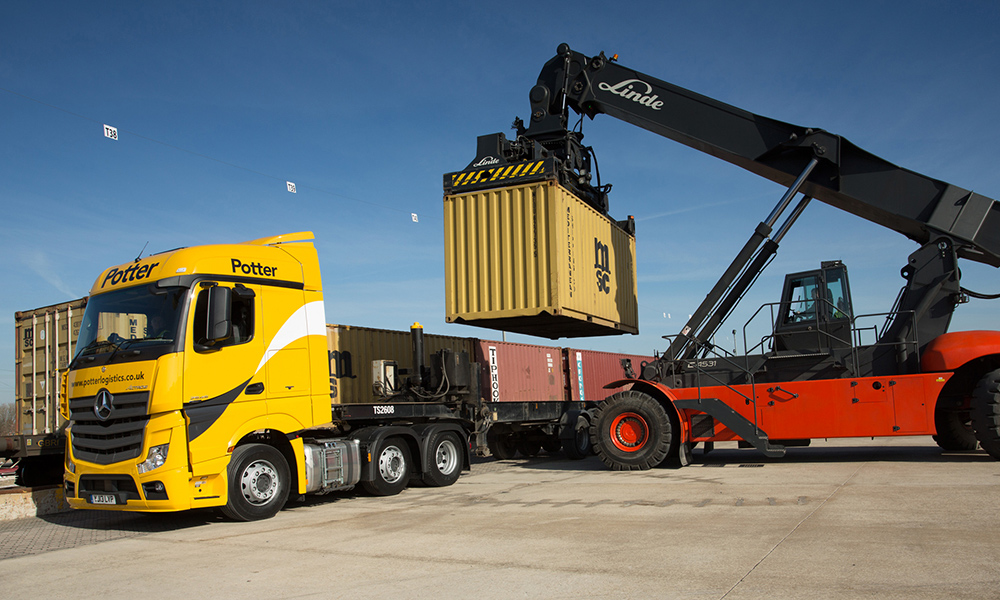
Custom clearance services in Nairobi are essential for legally importing or exporting goods through Kenya’s key entry points such as Jomo Kenyatta International Airport (JKIA) [...]
A custom declaration service in Nairobi is the official process of submitting cargo details to the Kenya Revenue Authority (KRA) for import or export clearance. [...]
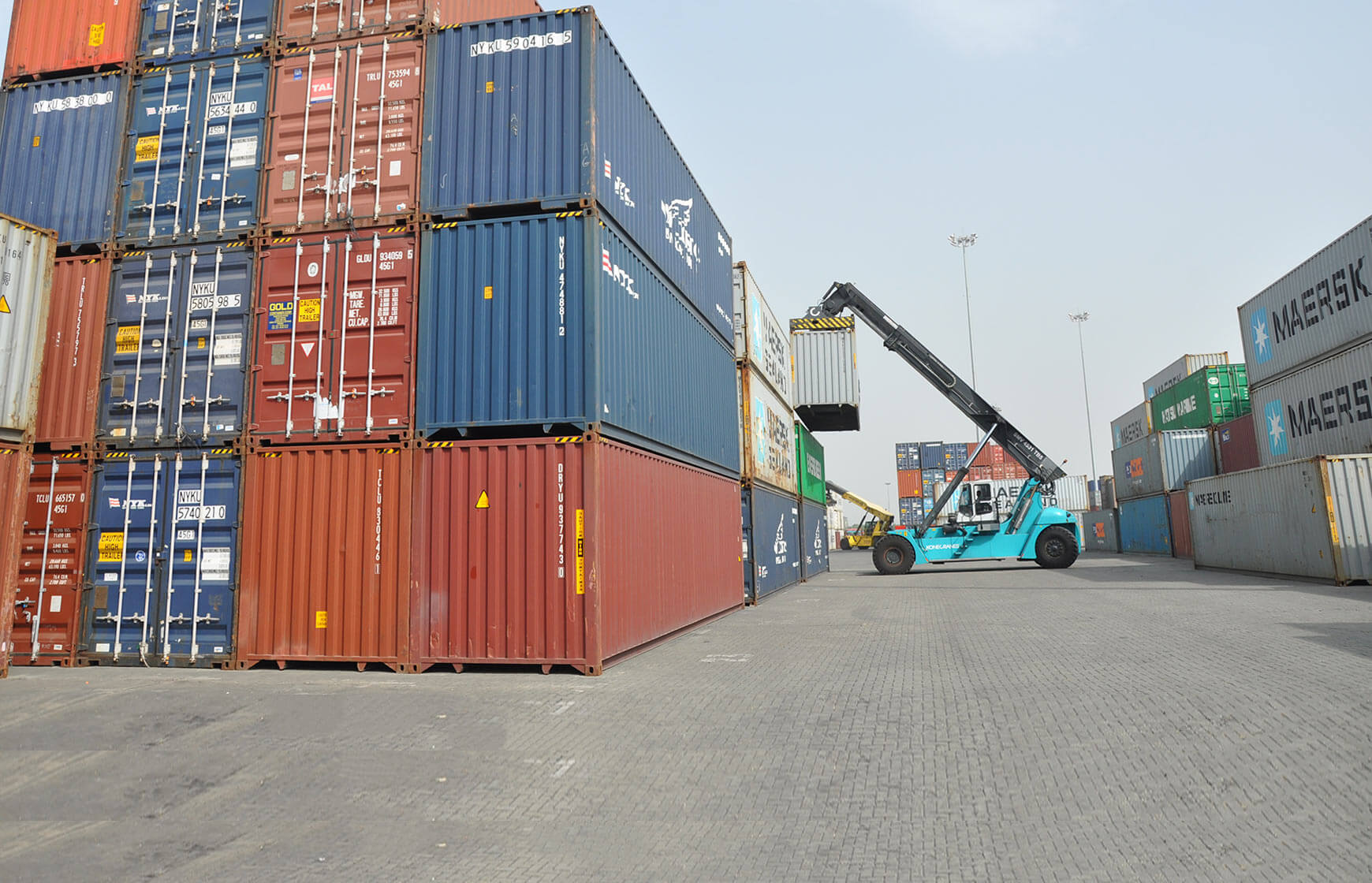
Customs clearance services in Kenya are essential for legally importing or exporting goods through entry points such as Mombasa Port and Jomo Kenyatta International Airport [...]